Leadership and Institutional Engagement in Poverty Reduction Policy-Making
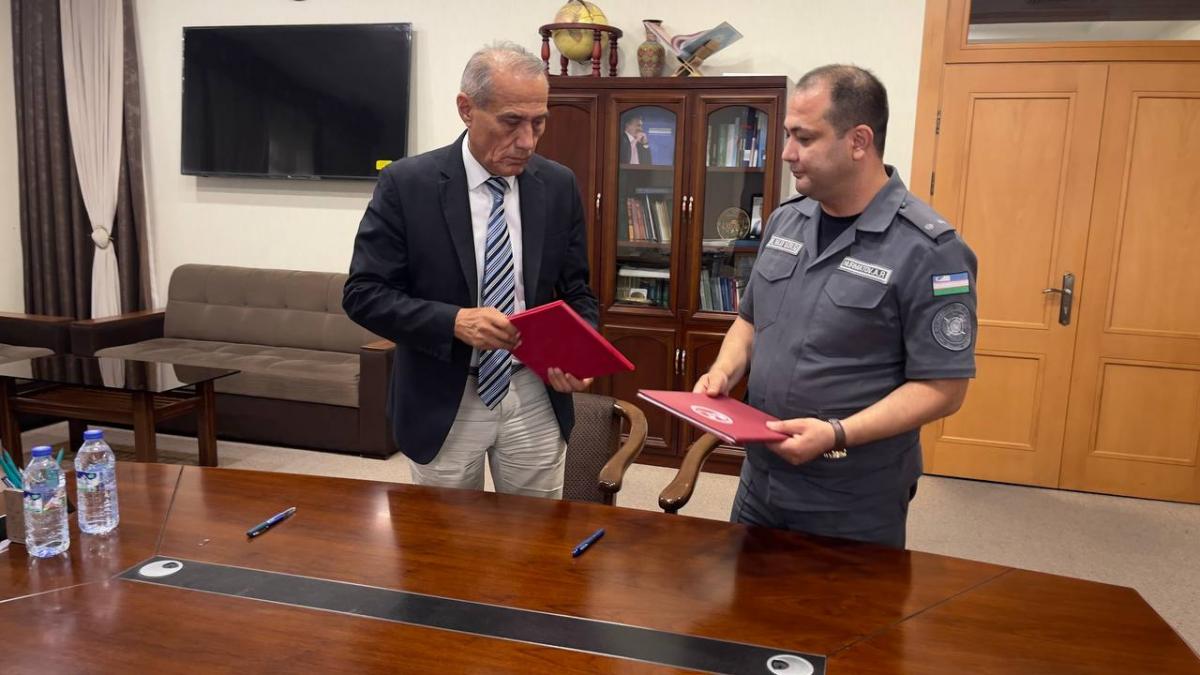
TSUULL contributes to poverty reduction through coordinated leadership engagement at local, national, regional and global levels. At the national and regional levels, the Rector’s role in parliament and municipal commissions ensures that community needs related to education access, employment and public services are integrated into legislative and urban policies aligned with SDG 1.
At the national and global levels, the Vice-Rector for Research and International Cooperation shapes scholarship and higher education policy through her roles in the El-yurt umidi Foundation Grant Commission and as a HERE expert, promoting inclusive human capital development, academic mobility and alignment with global standards.
The University also influences national policy through academic staff participation in the Scientific and Technical Council under the Ministry of Higher Education, ensuring evidence-based and inclusive approaches to education reform.
At the local level, TSUULL’s Community Support HUB works with neighbouring mahallas to deliver targeted educational and skills-development support for vulnerable groups, linking grassroots needs with institutional and policy responses.
Institutional Contribution to National and Global Scholarship Policy
The Vice-Rector for Research, Innovation and International Cooperation, Nozliya Normurodova, serves as a permanent member of the Grant Awarding Commission of the El-yurt umidi Foundation. Through her active participation in the evaluation and selection of grant recipients, she significantly contributes to shaping national priorities in human capital development, academic mobility, and international academic integration. Her role ensures that scientific potential, social inclusion, and long-term development needs — including support for candidates from underprivileged backgrounds — are consistently reflected in decision-making processes at the national level. This institutional engagement strengthens the link between higher education, social equity, and national strategies aimed at reducing poverty through access to knowledge, advanced training, and global opportunities.
In addition, Nozliya Normurodova serves as a HERE expert, actively contributing to the development, monitoring, and implementation of higher education reforms at the national and global levels. Through her engagement in policy dialogue, institutional capacity-building initiatives, and strategic consultations, she supports the alignment of Uzbekistan’s higher education system with global standards and inclusive development frameworks. Her expertise contributes to strengthening quality assurance mechanisms, expanding equitable access to education, and embedding social inclusion principles into higher education policy, thereby reinforcing the sector’s role in long-term poverty reduction and sustainable national development
TSUULL actively contributes to national higher education policy dialogue and capacity-building, indirectly supporting poverty reduction through improved governance, quality, and access to education. Since 2023, the University has served as a national hub for annual Erasmus+ Technical Assistance Mission seminars, including the 2025 flagship event on inclusive internationalization. These platforms support policy dialogue, institutional capacity-building, and the integration of equity, inclusion, and international standards into national higher education strategies.
Leadership Engagement in Poverty Reduction at National and Regional Policy Levels
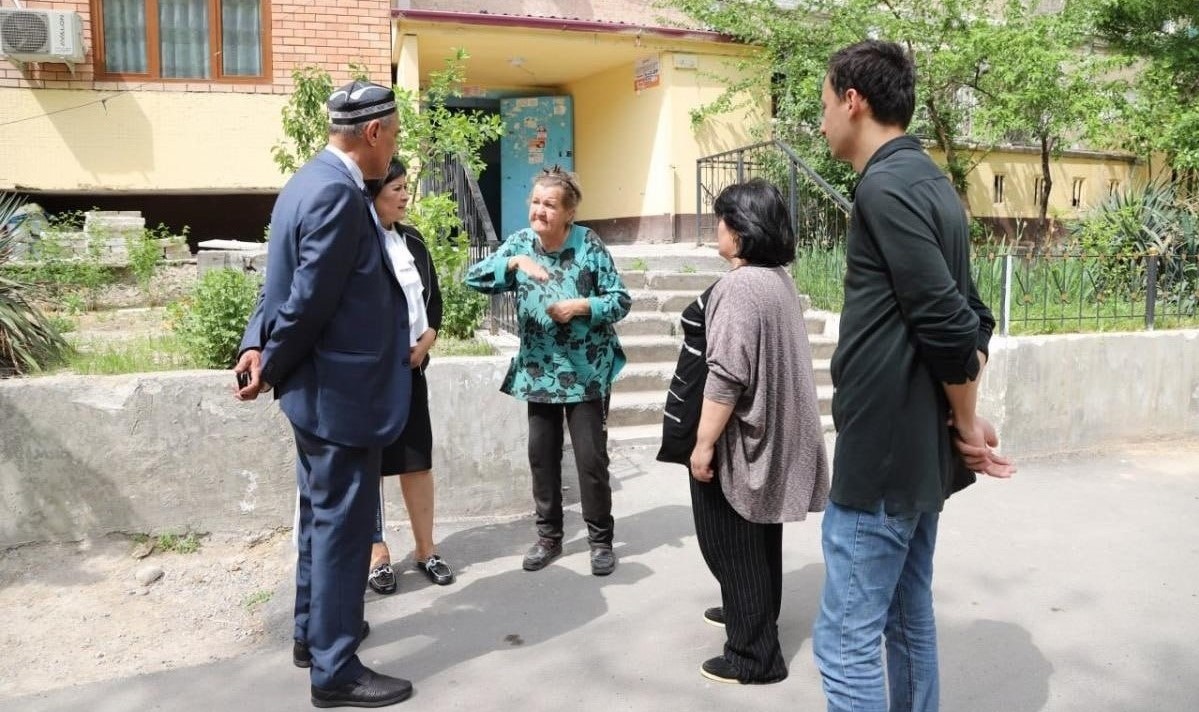
The Rector of the university Sirojiddinov Shuhrat Samariddinovich serves as a deputy in the national parliament, positioning the University at the core of legislative and policy-making processes related to social development and poverty reduction at the national level. In this capacity, the Rector maintains continuous, direct engagement with local communities, regularly visiting mahallas to meet with residents, families in vulnerable situations, low-income youth, and socially disadvantaged groups. These visits provide first-hand insight into the real socio-economic challenges faced by communities, including unemployment, housing issues, limited access to education, and barriers to essential services.
In addition to his parliamentary role, the Rector is also a member of the Permanent Commission on Industry, Transport, Construction, Public Utilities, and Community Services of Tashkent City. Through his active participation in the Tashkent City Standing Commission on Industry, Transport, Construction, Utilities and Public Services, the Rector contributes to the conceptualization and support of a number of socially oriented urban initiatives. These include advocating for improved public transport connectivity between peripheral districts and city education hubs, expanding access to essential municipal services in underserved mahallas, and promoting inclusive urban planning approaches that prioritize low-income households at the regional level.
By integrating the needs expressed at the community level into legislative and municipal policy discussions, the Rector ensures that grassroots realities inform urban development strategies, social protection mechanisms, and inclusive public service policies. This unique combination of academic leadership and political responsibility enables TSUULL to exert a tangible influence on policies that address poverty in all its dimensions, strengthen social inclusion, and expand access to essential services, in line with SDG 1
|
|
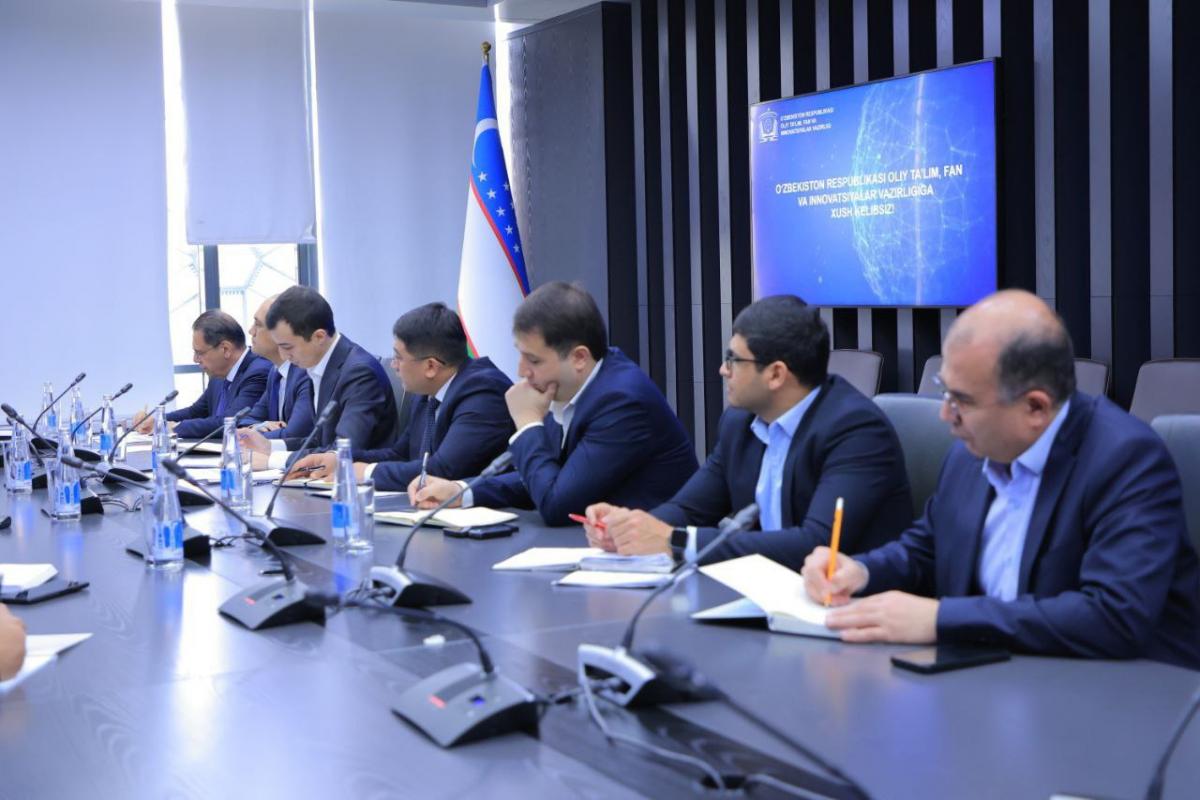
Many university professors serve as permanent members of the Scientific and Technical Council under the Ministry of Higher Education, Science, and Innovation of the Republic of Uzbekistan. As standing expert members of this national advisory body, they participate in regular council meetings, cross-ministerial working groups, and inter-agency discussions that shape the strategic direction of the country’s higher education system. Their continuous engagement ensures that the University’s academic expertise directly informs the development, assessment, and implementation of educational reforms, innovation policies, and institutional modernization initiatives.
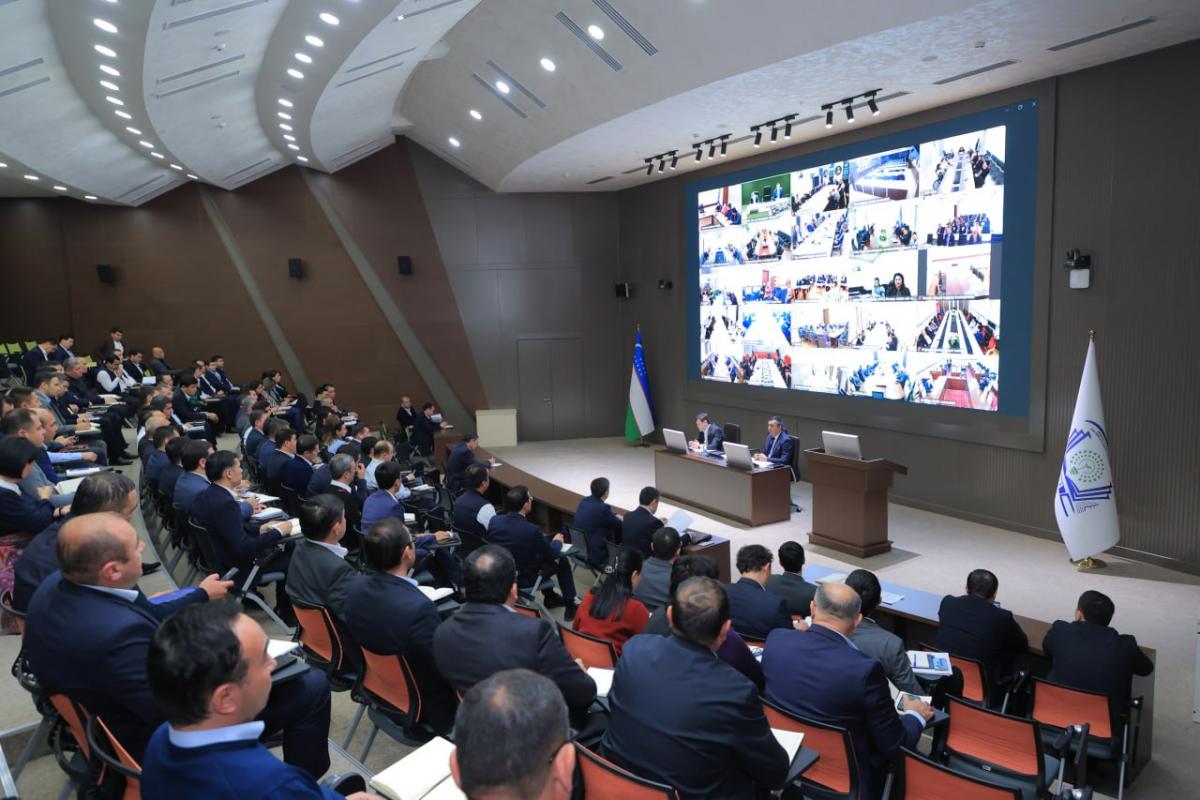
As part of their permanent mandate, TSUULL professors also contribute to international policy dialogues, actively participating in joint forums, expert sessions, and bilateral ministerial meetings held in cooperation with the Ministries of Education of partner countries. These events bring together policymakers, research institutions, and international organizations to exchange best practices on inclusive education, digital transformation, vocational pathways, and student support mechanisms. Through these platforms, the University helps align national development priorities with global standards while promoting evidence-based approaches to social inclusion and poverty reduction.
The involvement of TSUULL scholars in these national and international structures significantly amplifies the University’s contribution to SDG 1. Their research-driven recommendations support the creation of upward mobility pathways for disadvantaged youth, improvements in the quality and accessibility of education, and the strengthening of human capital across regions. By channeling academic expertise into national policymaking and global cooperation initiatives, the University plays a central role in advancing policies that reduce inequality, expand opportunities, and ensure that education becomes a transformative tool for lifting individuals and communities out of poverty.
 |  |
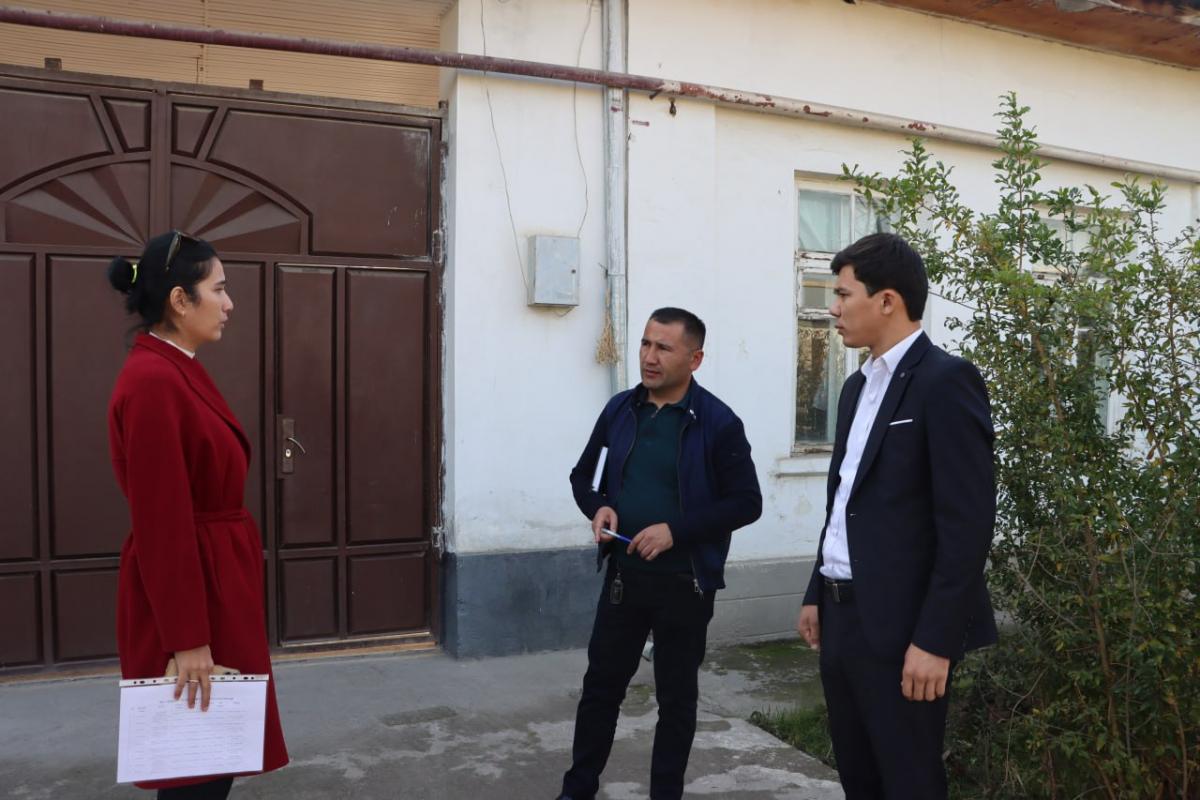
TSUULL operates a Community Support HUB in partnership with neighbouring mahallas (Tepa, Belariq, Konstitutsiya, and Shoxjahon). This HUB serves as a permanent coordination platform that brings together the University Council, the University Youth Parliament, the Student Union, the Board of Trustees, and the Gender Equity Committee to jointly identify vulnerable families, at-risk youth, and individuals experiencing socio-economic hardship. Through systematic needs assessments conducted in cooperation with mahalla leaders, the HUB ensures that support is not only timely but also tailored to specific community needs.
The HUB provides a wide range of targeted services, including access to preparatory and language courses, digital and financial literacy training, psychological counselling, sign language instruction, and employability skill development. In 2024, additional mentoring initiatives, career-guidance workshops, and legal-information sessions were introduced to help young people transition into education and employment more effectively. These programmes strengthen local human capital and contribute to sustainable, community-based poverty reduction at the neighbourhood level.
Through this multi-level engagement, TSUULL plays an active role in shaping inclusive policies, strengthening social protection mechanisms, and supporting poverty reduction in all its dimensions, in line with SDG 1. By combining academic expertise with community partnerships, the University helps create an ecosystem of support where vulnerable groups gain access to new opportunities, resources, and pathways to long-term social and economic resilience.
 |  |
KEY ROLES & LEADERSHIP IN POLICY ENGAGEMENT
|
|
 Ashirboyev Samixon Read CV |
|
 Gulnoza Jo‘rayeva Vice-Rector Read CV |  Nozliya Normurodova Vice-Rector Read CV |
 Saodat Muhamedova Read CV |  Karimov Bahodir Read CV |
 Xolmanova Zulxumor Read CV |  Azizova Ra’no Read CV |
The National Teams of Higher Education Reform Experts (HEREs) are pivotal in propelling progress and reform in higher education systems across partner countries. These experts provide an essential pool of expertise aimed at supporting and modernizing higher education systems in alignment with Sustainable Development Goals (SDGs). Their core mission is threefold: to bolster policy development by aiding in modernization reforms such as curriculum innovation, governance enhancement, and bridging academia with the broader societal and economic landscape; to support policy dialogues with the EU, including through collaborations that align with Erasmus+ and other initiatives guided by the European Commission; and to support Erasmus+ and prior EU program projects by disseminating results, best practices, and innovative initiatives to foster modernization and sustainable progress across institutions.
Internationally, HEREs are engaged in activities orchestrated by the European Commission and the Executive Agency, including thematic seminars that address common needs across partner countries. These seminars foster knowledge exchange and practical insights into key reform processes, often involving visits to higher education institutions and stakeholders committed to sustainable practices. Study visits to leading universities across the EU and partner countries enable HEREs to meet with experts responsible for implementing targeted reforms, further enhancing HEREs’ capacities to adopt best practices in sustainability and SDG education. International conferences, featuring expert keynote speakers and dedicated workshops, allow HERE teams to engage with current issues around modernizing higher education, covering topics such as governance, funding, lifelong learning, and curriculum development.
Additionally, HEREs can request technical assistance missions, where experts provide tailored training and consultancy to address specific reform needs in partner countries. Through surveys and publications commissioned by the European Commission and EACEA, HEREs contribute research and analysis on higher education reforms, advancing knowledge on sustainability within the education sector. A virtual community platform further supports HEREs by enabling ongoing collaboration and access to informational materials, case studies, and resources to enhance sustainable education practices.
For the latest updates on HEREs' work in advancing higher education reforms and promoting sustainable development goals, follow HEREs on their Facebook page. Stay informed about how HEREs are building partnerships, fostering cross-sectoral dialogue, and advancing best practices for sustainability and SDG-focused education in higher education reform efforts.
HEREs perform a comprehensive array of activities at both national and international levels, targeting a diverse audience that includes Erasmus+ participants, potential Erasmus+ beneficiaries, higher education institutions, NGOs, government bodies, and stakeholders committed to sustainable development. Through these efforts, HEREs advance SDG-aligned policies by strengthening relationships with regional NGOs, government authorities, and community organizations for SDG-focused dialogues, and by fostering cross-sectoral collaboration for SDG best practices. This multi-level engagement allows HEREs to build critical partnerships and expand their impact in promoting sustainable development within higher education.
HEREs provide critical support at the national level, advising higher education institutions on the introduction and implementation of reforms that promote SDG-aligned education and development. By conducting advisory and promotional activities, HEREs raise awareness about higher education reforms and support the integration of EU policies, promoting a sustainable framework for future education. National-level activities also involve collaboration with government authorities to design, implement, and monitor policy reforms in higher education. Through these efforts, HEREs facilitate the advancement of SDG-focused education within institutions and communities, promoting a commitment to meaningful education for sustainable development.
HEREs' national activities include advising on policy making, assisting in drafting laws and reports, organizing workshops, and engaging in public discourse through interviews, lectures, and publications. By focusing on sustainability and SDGs, HEREs drive meaningful education reforms that benefit both institutions and the wider community.
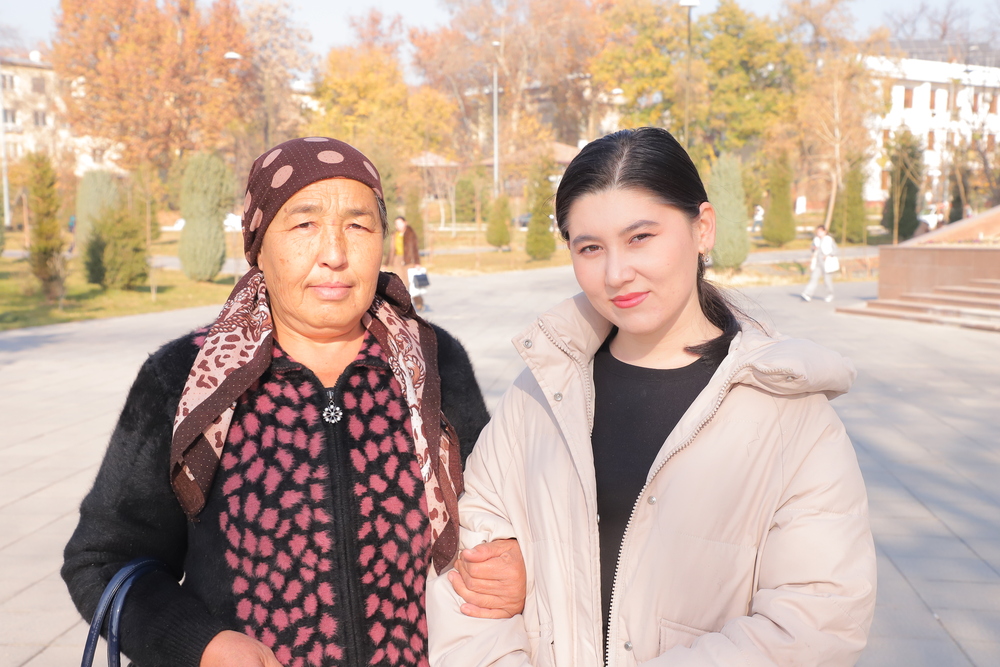
We have lived in this mahalla all our lives, and it used to be very difficult for me to go outside — especially with my joint problems. The entrance to the pedestrian underpass was steep and had no handrails. After the monitoring visits carried out by the University team and the city engineers, safe ramps and a renovated underpass were finally built. Now I can go to the clinic and the market on my own. This has made daily life much easier for us, especially elderly residents. We are grateful that our concerns were heard and real improvements were made.
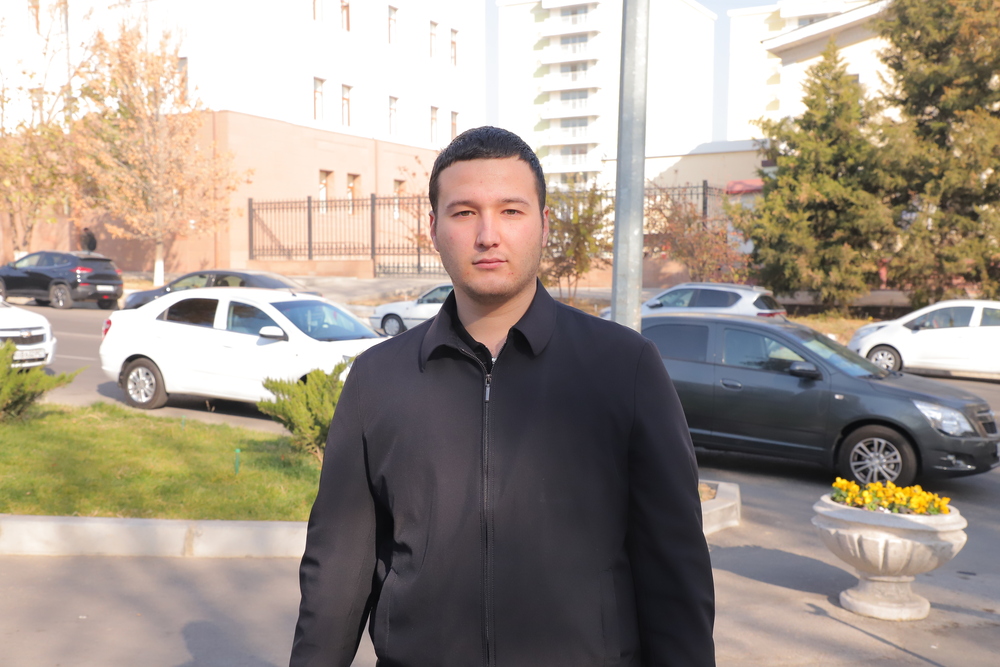
I come from a low-income family, and for many years entering a university felt out of reach for me. When TSUULL launched free preparatory courses in our mahalla, I joined with the hope of at least improving my language skills. The teachers supported us not only academically but also morally — they believed in us even when we doubted ourselves. Thanks to these courses, I was able to prepare for the entrance exams and successfully earn a place at TSUULL. The University has continued to support me after admission — providing access to learning resources, mentorship, and financial assistance that has made it possible for me to continue my studies without putting pressure on my family. I am proud to be a student of TSUULL, and I am grateful that the University gives real opportunities to young people like me who simply need a chance to prove themselves.
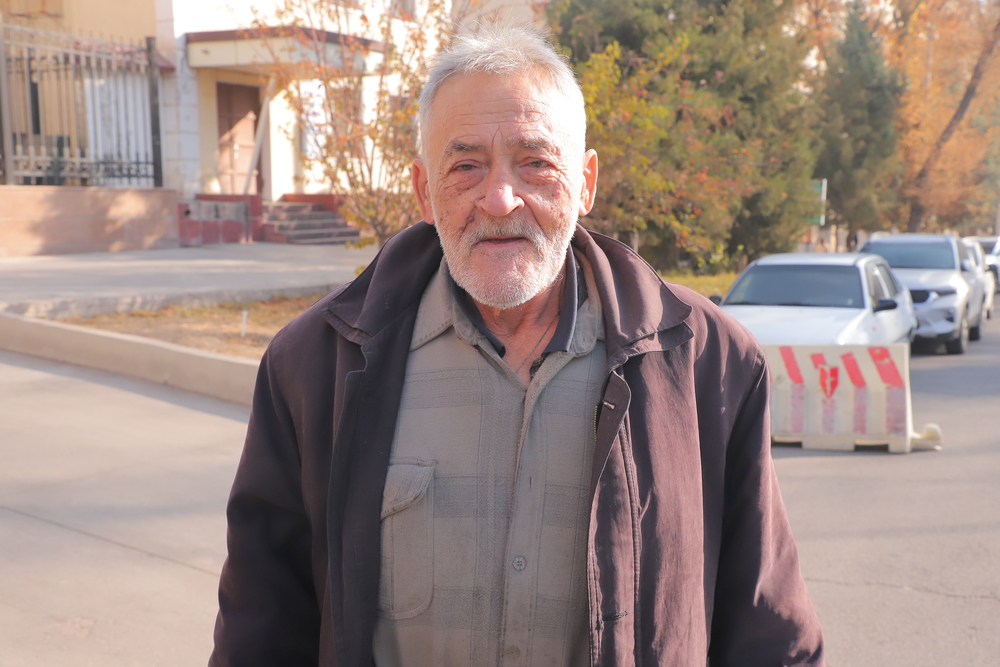
As an elderly resident living on a modest pension, I have often struggled with the complicated procedures required to receive social assistance. Before the reform, every application meant collecting multiple certificates, visiting different offices, and waiting in long queues — which was extremely difficult for someone my age. This year, when the new digital model of social support was introduced under the 2024 reform, I felt the difference immediately. Thanks to the work of the National Working Group on Poverty Reduction — especially the efforts of Rector–Deputy Sirojiddinov, who coordinated consultations with communities like ours — the process has become far simpler and more transparent. Now, with the unified digital registration system and the Social Card, I no longer need to submit the same documents over and over again. Verification happens automatically, and the mahalla office can track my application in real time. For older people, this is a huge relief. I am grateful that the concerns of ordinary residents were taken seriously and that our feedback helped shape these reforms. For the first time in many years, accessing social assistance feels fair, respectful, and efficient. It has made my life — and the lives of many others in our mahalla — much easier.
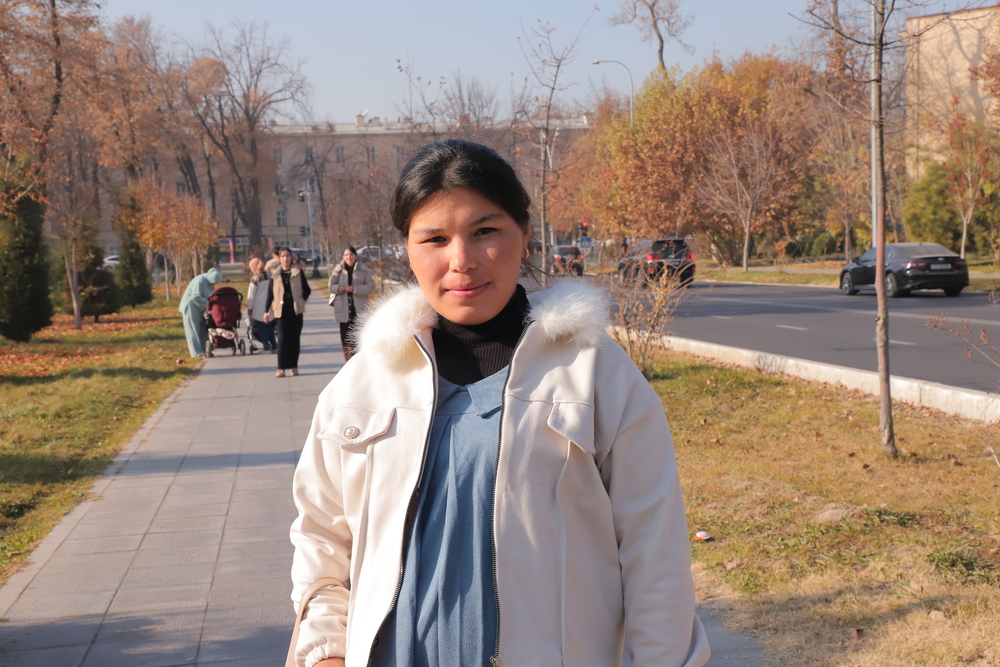
As a homemaker with limited experience in technology, I used to feel completely lost when it came to digital platforms. I relied on others even for simple tasks like submitting online applications or using government services. When TSUULL offered free digital literacy courses in our mahalla, I joined with the hope of gaining at least some basic skills. The instructors were patient and supportive, and the training was very practical. Step by step, I learned how to use a computer, navigate online services, and work with essential applications. For me, this was life-changing. Not only did I become more confident in using modern technologies, but I was also able to find stable employment afterwards. The skills I gained opened new opportunities that I never imagined were possible for someone like me.
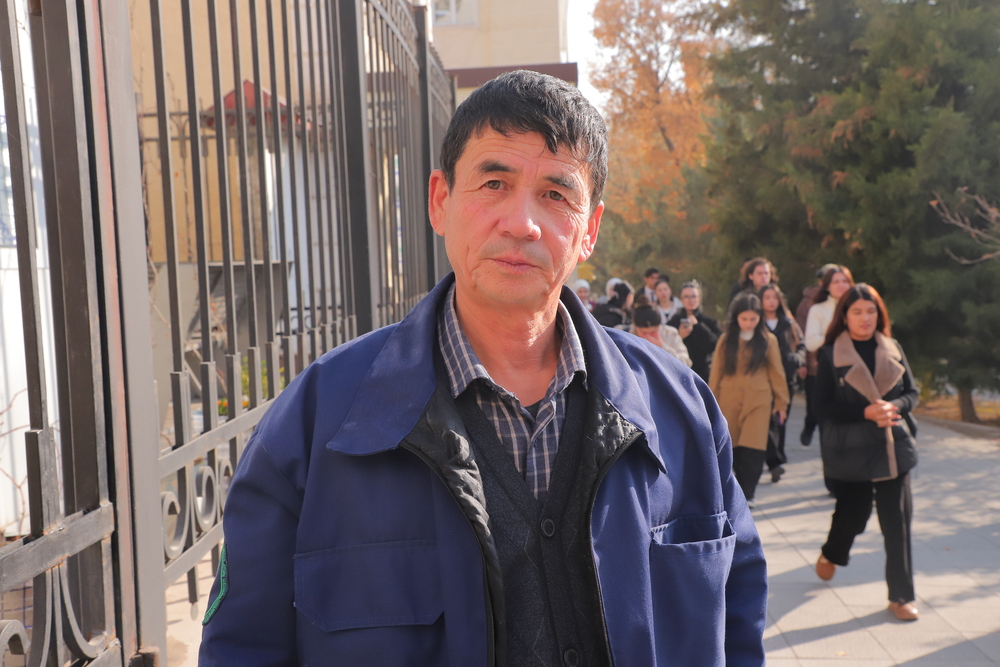
I decided to join the free sign-language courses offered by TSUULL because my hearing has been gradually weakening over the years, and communication was becoming more difficult for me. I often felt isolated, even in my own community. The courses helped me far more than I expected. The instructors taught us not only the basics of sign language but also how to communicate confidently in everyday situations. Thanks to this training, I can now interact freely with my neighbours who have hearing impairments, and even help them during visits to the clinic or mahalla office. Most importantly, I no longer feel cut off from people. The skills I gained restored my ability to participate in community life and support those facing the same challenges.