
University for a Poverty-Free Community: Expanding Access and Empowering Vulnerable Groups
The university demonstrates a strong commitment to SDG 1: No Poverty by offering permanent, year-round programmes that support the most vulnerable residents of nearby mahallas. These fully free initiatives—psychological support services, digital literacy training, sign language courses, and foreign-language classes—are designed to remove barriers to basic services and economic participation. Each programme equips community members with practical skills to secure stable or supplementary income, access digital and social services, and become more economically independent. Through these continuous efforts, the university plays an active role in building a more resilient, inclusive, and poverty-free community.
Comprehensive Material and Educational Support for Vulnerable Youth
In line with its commitment to SDG 1: No Poverty, Alisher Navoi Tashkent State University of Uzbek Language and Literature extends its support beyond free educational programmes to provide targeted material assistance to socially and economically vulnerable youth. Under the guidance of Rector Academician Shukhrat Sirojiddinov, the University conducts direct outreach to assess individual needs and deliver tangible support. Students and young residents facing financial hardship, medical expenses, or the need for additional academic assistance receive personalized aid, including financial assistance, educational resources, tutoring, and legal consultation.
The University also engages directly with at-risk youth in local neighborhoods, such as “Nilufar” and “Ittifoq” in Sergeli district, Tashkent. Meetings with students—including those under probation, displaying aggressive behavior, or facing other social challenges—focus on assessing individual circumstances, understanding their personal and social challenges, and providing guidance for pursuing higher education. Faculty members assist in preparing these youths for university entrance exams, while neighborhood representatives coordinate ongoing support to ensure systematic educational and social assistance.
Additionally, the University identifies talented schoolchildren from low-income families, awards them grants, and provides preparatory programs to support their successful admission to higher education institutions. These combined educational, material, and mentorship interventions are designed not only to alleviate immediate economic burdens but also to empower young people to continue their education, develop essential skills, and achieve socio-economic independence. Through these initiatives, the University actively contributes to building a more inclusive, resilient, and poverty-free community.
Collaboration with Public Schools in Support of SDG 1
TSUULL maintains long-term and systematic partnerships with public schools as part of its commitment to SDG 1 — No Poverty, recognizing equitable access to quality education as a key pathway out of poverty. The university collaborates closely with several schools, including School No. 319 and School No. 144 in Yakkasaroy District, as well as School No. 220 and School No. 117 in Yunusobod District, which collectively serve more than 4,800 schoolchildren and employ over 250 teachers. In addition, School No. 46 in Olmazor District functions as TSUULL’s designated institutional partner school with more than 1,000 enrolled learners.
Within these partnerships, TSUULL implements continuous academic and social support mechanisms targeted specifically at students from low-income families. To expand access to higher education, the university regularly organizes preparatory courses directly in the partner schools, helping disadvantaged students acquire the competencies necessary for successful university admission. These initiatives enable youth from vulnerable households to view higher education as an attainable pathway toward long-term socio-economic mobility.
The university’s faculty members conduct open lessons, training sessions, and methodological seminars — more than 30 activities annually — aimed at enhancing teachers’ professional development and enriching the learning environment. Furthermore, TSUULL identifies talented school students from economically disadvantaged backgrounds and supports their transition to higher education: such students are admitted to the university and receive full tuition coverage, ensuring that financial hardship does not hinder their academic progression.
Through ongoing outreach, including Open Doors Days, Career Days, and mentorship programs, TSUULL strengthens the bridge between secondary and higher education, promoting inclusive pathways that empower youth and contribute to poverty reduction at the community level.
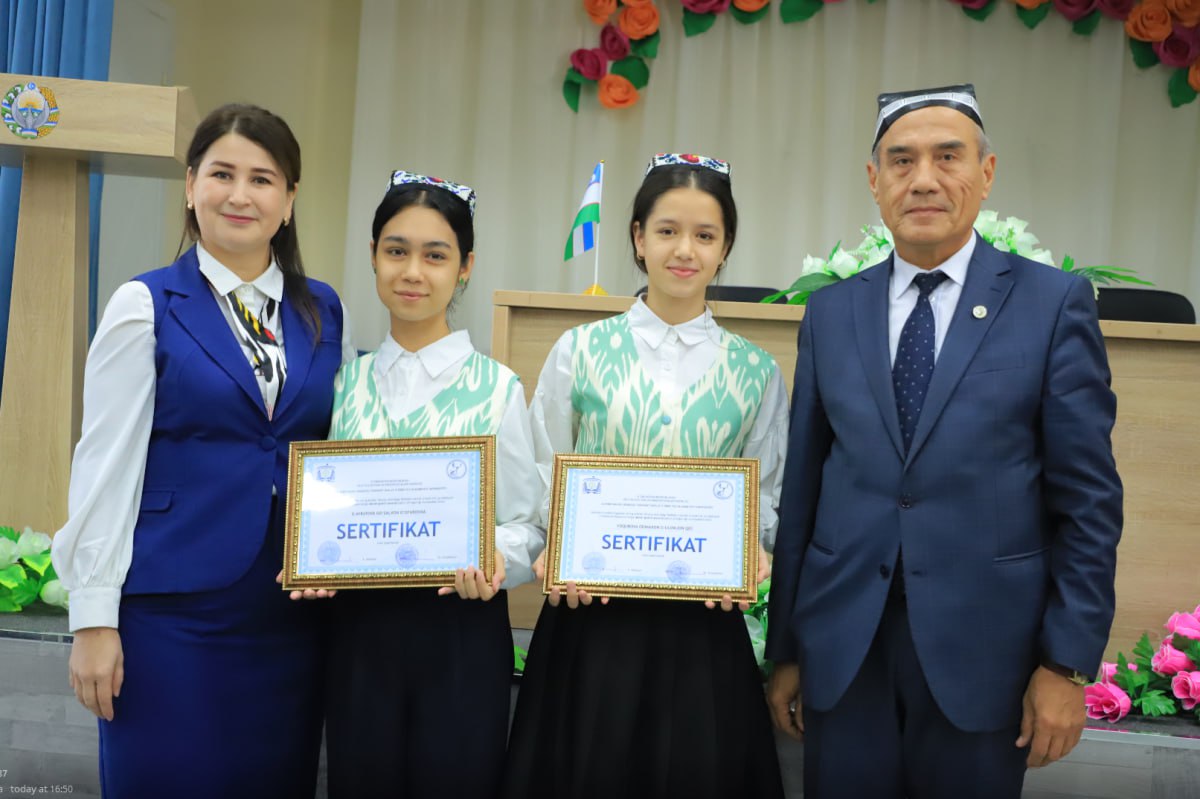
TSUULL–Lyceum Alliance for Inclusive Access and Poverty Alleviation
TSUULL maintains a long-term, structured, and mission-driven partnership with its affiliated academic lyceum, ensuring that high-quality education becomes a reliable pathway out of poverty for young people from disadvantaged backgrounds. The university provides continuous curriculum development, academic-methodological support, teacher training, and modern educational resources to strengthen the lyceum’s learning environment. As part of this cooperation, lyceum learners have full access to the university’s library, digital platforms, academic materials, laboratories, and other educational facilities, allowing them to study in the same knowledge-rich environment as university learners.
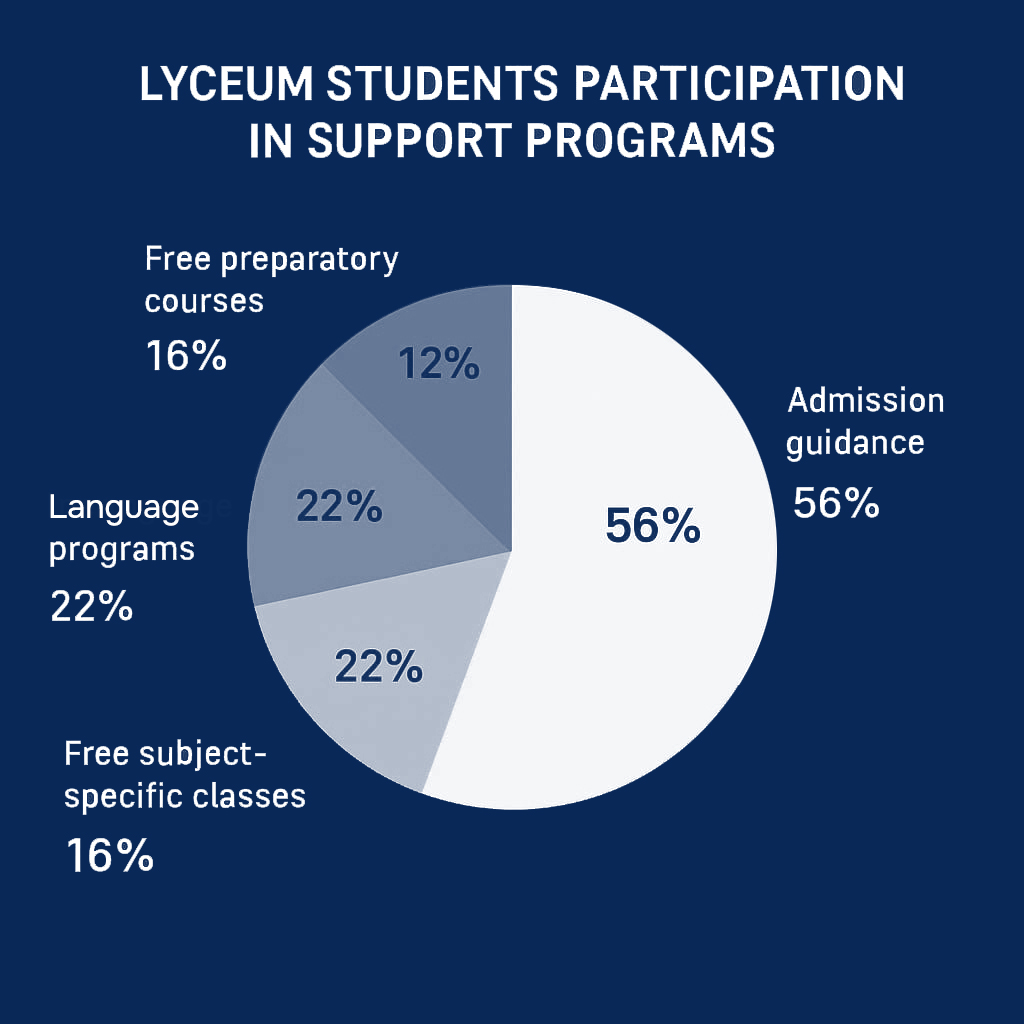
A particular focus of this collaboration is expanding opportunities for youth from low-income households. TSUULL organizes free preparatory courses, language programs, subject-specific classes, mentoring activities, and university-readiness workshops, ensuring that financial hardship does not hinder academic progress. The university also systematically identifies talented young people from the bottom 20% household income group, providing them with individualized guidance, support during the admission process, and—upon successful enrollment—full tuition scholarships and additional grants. Through this comprehensive and socially oriented partnership model, TSUULL strengthens the bridge between secondary and higher education, empowers vulnerable youth, and contributes to poverty reduction by expanding equitable access to lifelong learning.
A targeted skills-development initiative designed to help young people from low-income households build strong foundations for future employment. The program offers free training in job-seeking skills, workplace communication, and professional self-presentation, ensuring that socioeconomic barriers do not limit access to decent work and stable income.
A support-oriented initiative that ensures equitable learning conditions for students from disadvantaged backgrounds. The program provides academic tutoring, assistive learning tools, and awareness workshops for teachers on inclusive, poverty-sensitive pedagogy. It ensures that economic hardship does not obstruct learning progress or educational attainment.
A socially oriented course that strengthens economic stability among vulnerable youth and families. Participants learn essential budgeting strategies, savings practices, digital finance tools, and responsible financial planning. By improving financial literacy, the program reduces vulnerability to economic shocks and supports long-term poverty reduction.
A practical training program that teaches low-income youth affordable, income-generating green skills—such as household energy efficiency, small-scale urban gardening, waste-sorting micro-projects, and basic eco-entrepreneurship. These skills help families reduce everyday expenses and create new small-income opportunities, contributing directly to local poverty alleviation.