




An Important Seminar Dedicated to Enhancing the Prestige of Higher Education Institutions
In global practice, universities pursue two core missions: delivering high-quality education and conducting impactful research. However, modern universities are not limited to these goals; they also advance a third essential mission. This mission entails universities acting as a driving force in addressing socio-economic challenges, contributing meaningfully to the technological and humanitarian development of society, offering solutions to national and global problems based on their innovation potential and market needs, and developing strategies for achieving the United Nations Sustainable Development Goals.
In Uzbekistan, significant efforts are being made to enhance the quality of higher education institutions and to ensure that they gain well-deserved recognition within the global academic community. The encouraging performance of Uzbek universities in prestigious international rankings is a testament to this systematic work. In this regard, mutually beneficial cooperation between the country’s higher education institutions and international organizations and agencies plays a crucial role.
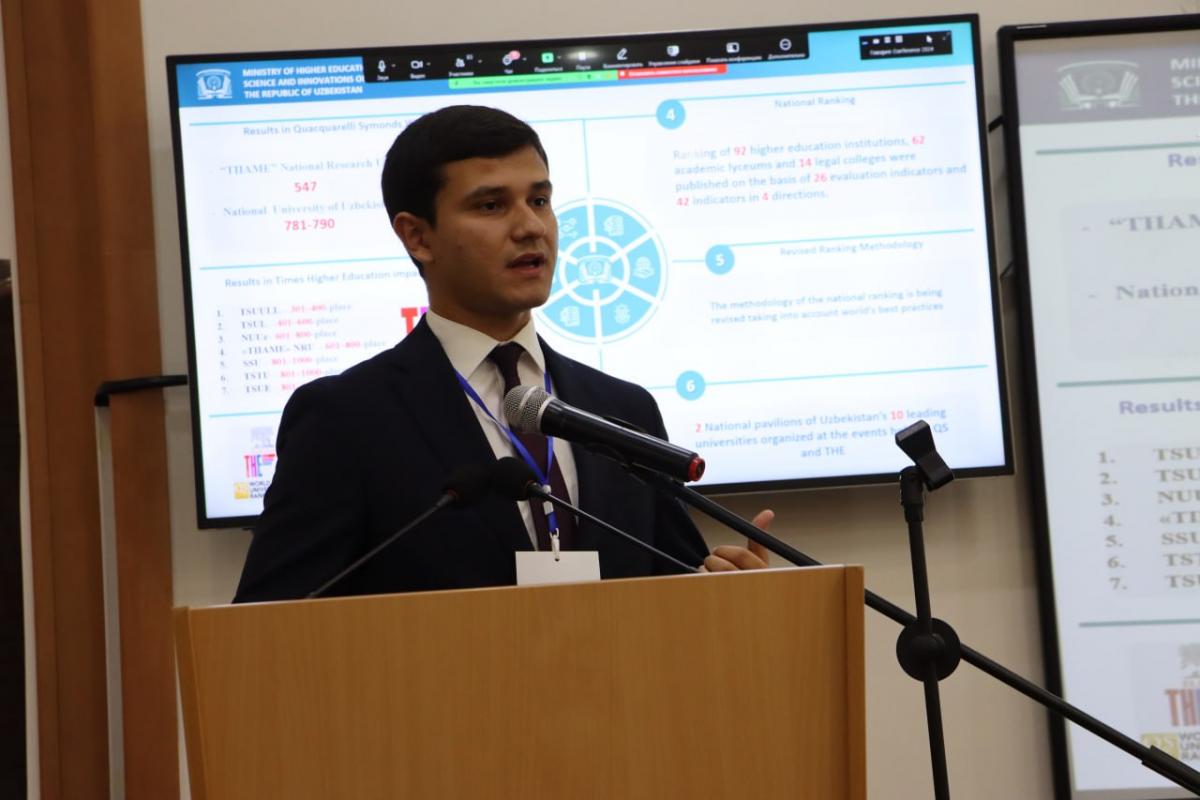
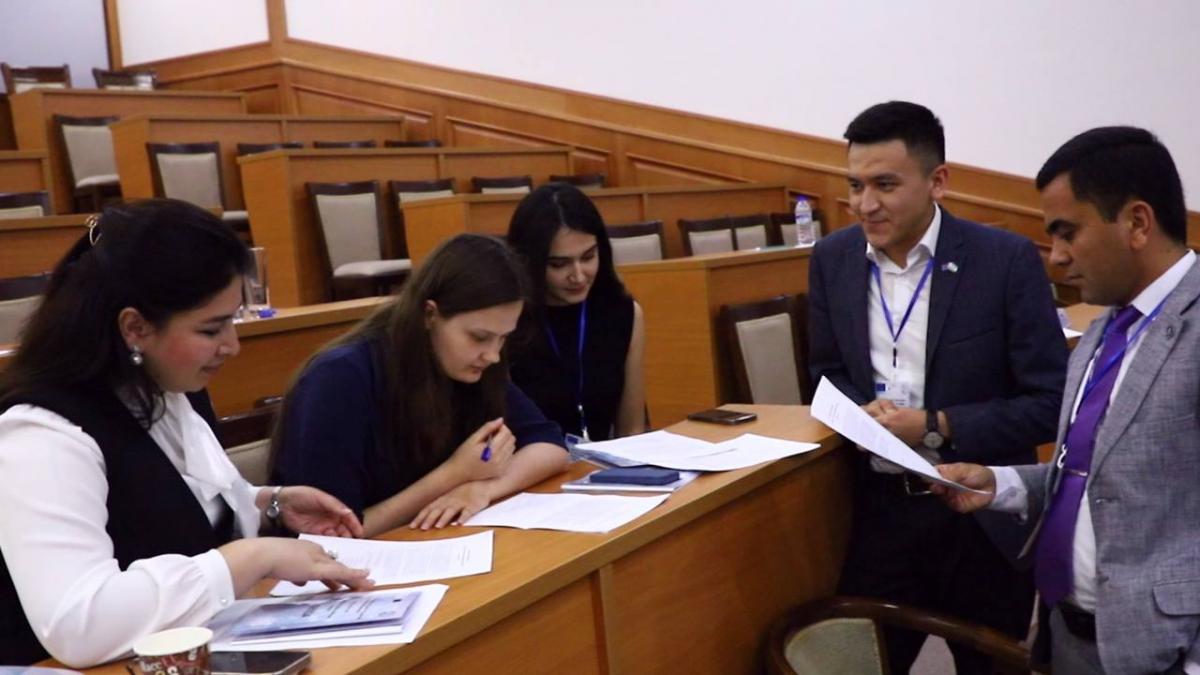
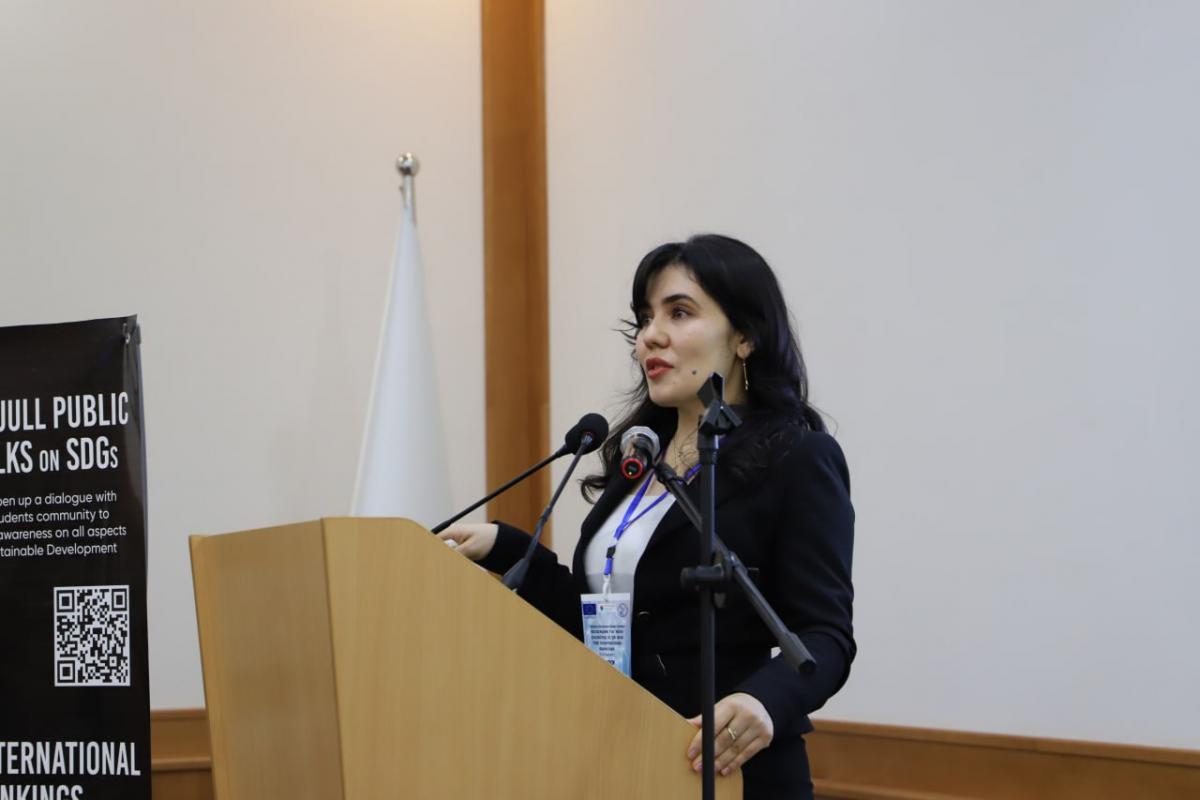
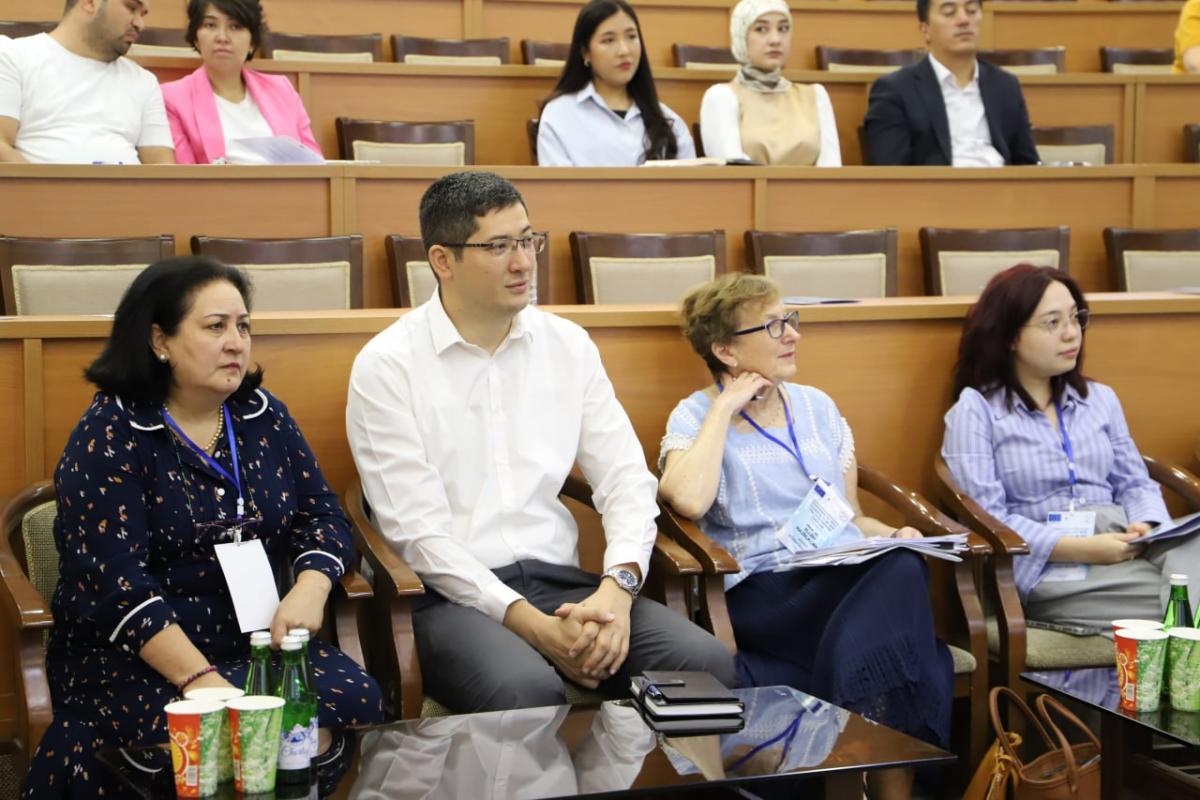
In particular, on 19–20 September of this year, a regular seminar of the European Union’s Technical Assistance Mission (TAM) was held at the Alisher Navo’i Tashkent State University of Uzbek Language and Literature in cooperation with the Ministry of Higher Education, Science and Innovations of the Republic of Uzbekistan and the National Erasmus+ Office in Uzbekistan. The seminar, titled “Strategies for HEIs: Excelling in QS and THE International Rankings,” aimed to provide practical support in aligning the quality indicators of Uzbek higher education institutions with international standards.
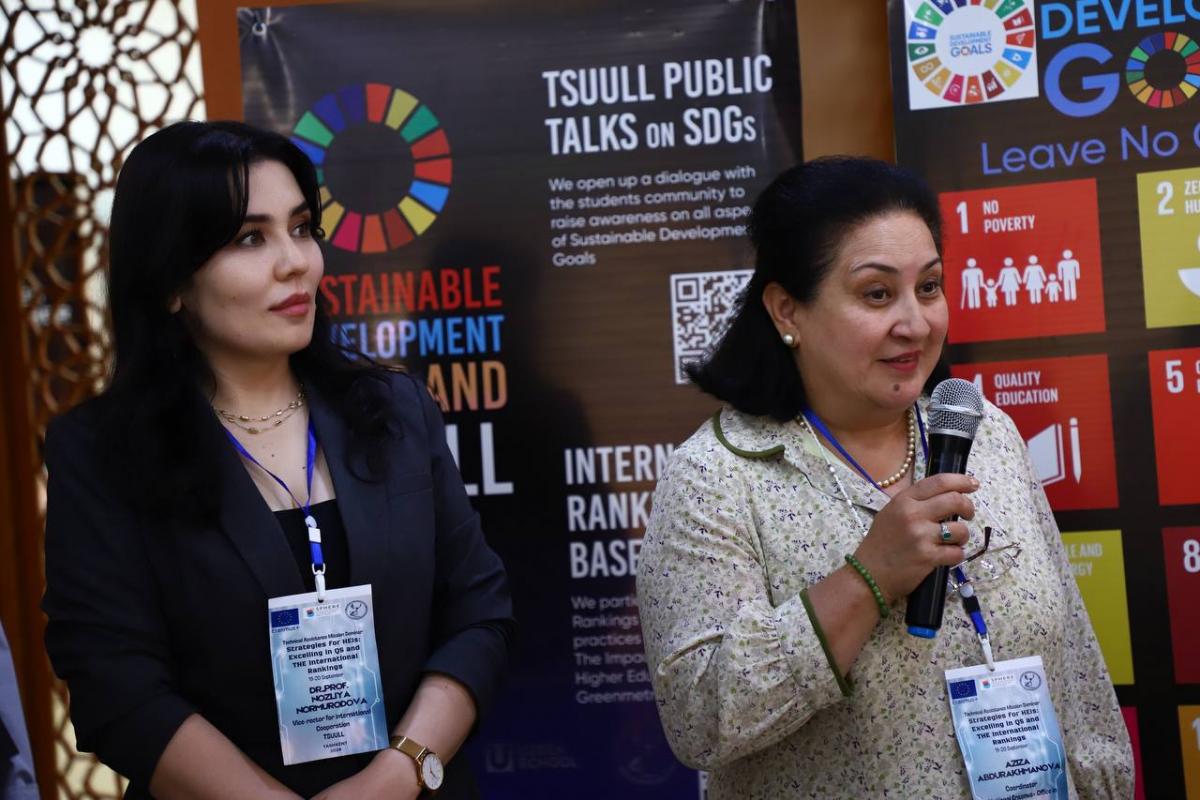
The seminar opened with welcoming remarks by Aziza Abdurakhmanova, Head of the National Erasmus+ Office in Uzbekistan, and Diyor Umarov, Head of the International Cooperation and Ranking Department of the Ministry of Higher Education, Science and Innovations of the Republic of Uzbekistan.
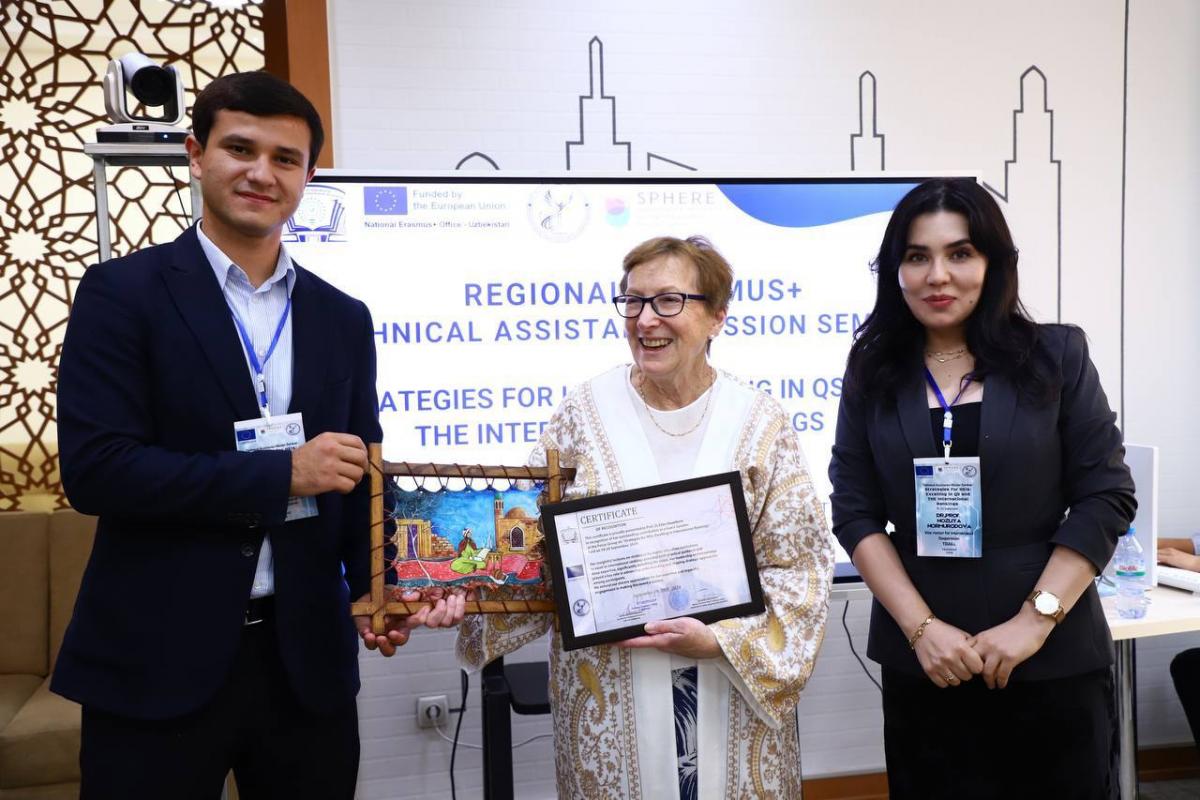

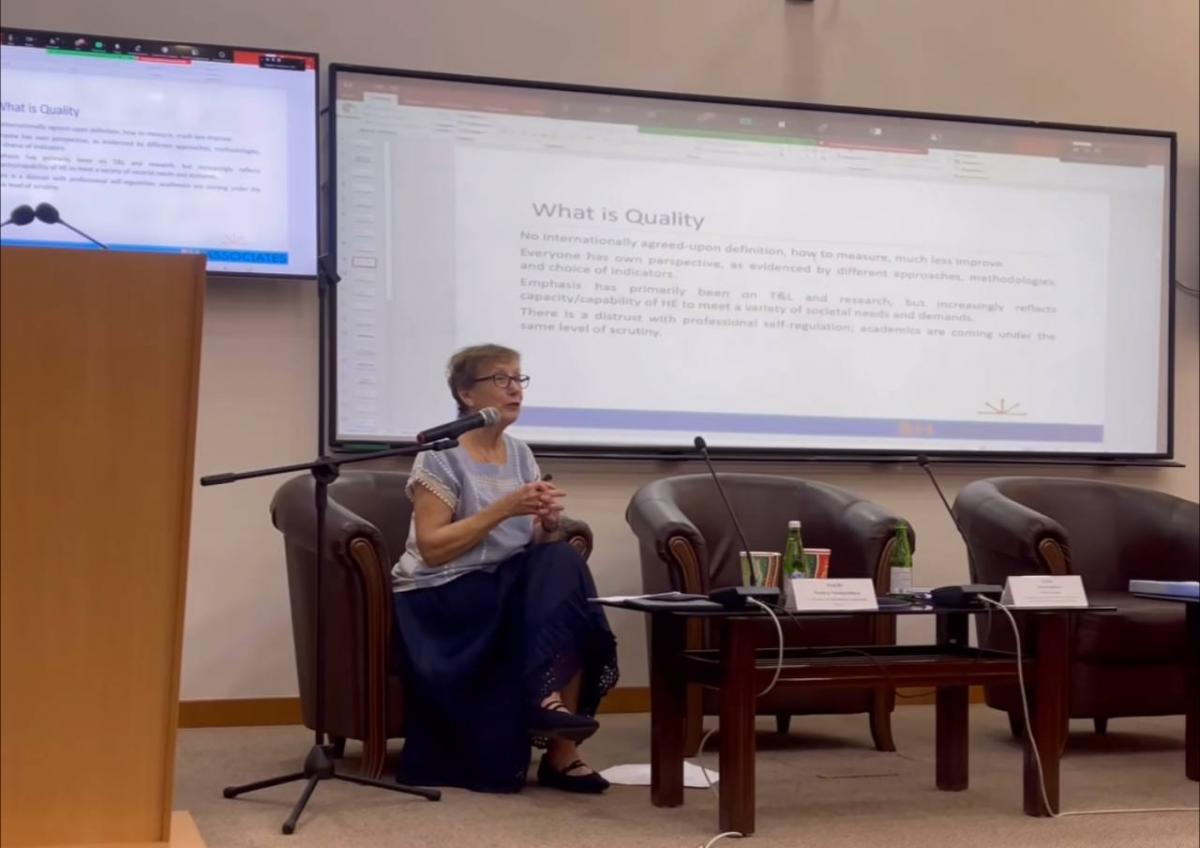
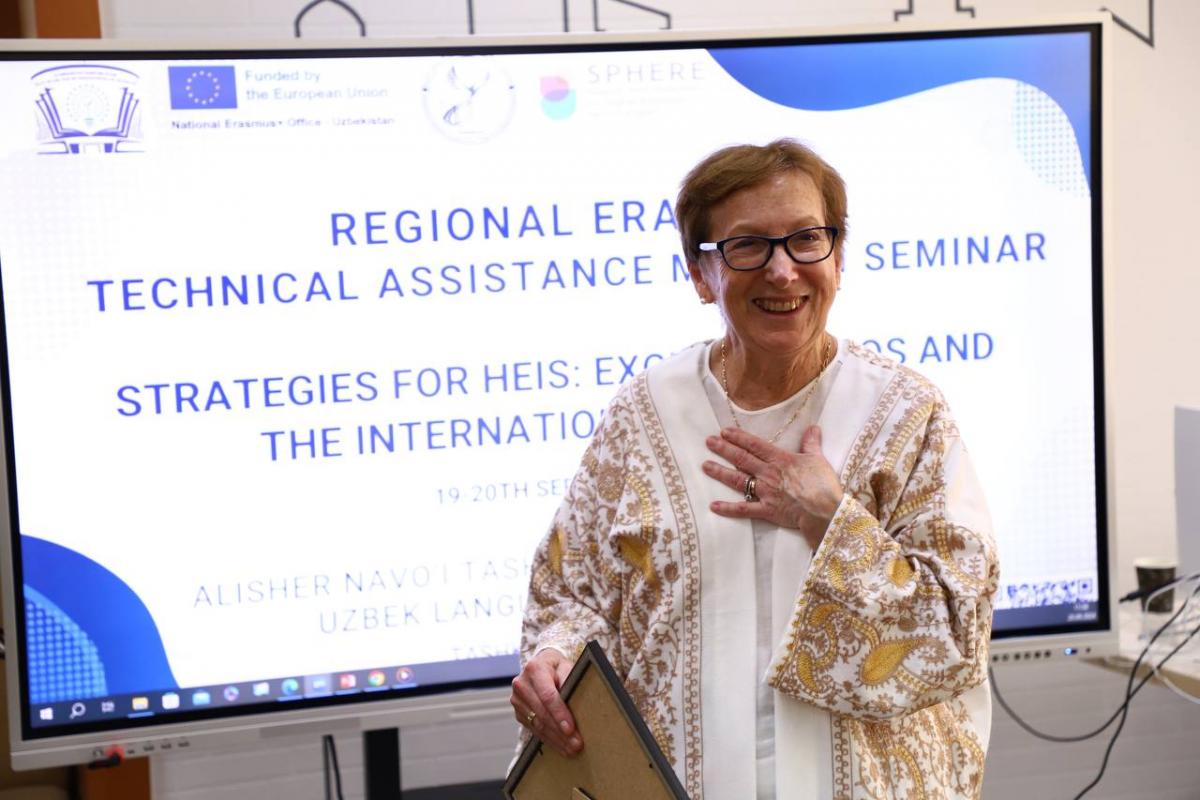
The keynote speaker and main expert of the seminar, Professor Ellen Hazelkorn, delivered a lecture to representatives and administrators of local higher education institutions on the concept underlying international university rankings and its importance, as well as the quality indicators used in university education systems. During the practical component, Professor Hazelkorn focused on existing ranking systems (with special attention to THE, QS, and ARWU), explaining their criteria, methodologies, strengths, and limitations.
Over the two-day event, Professor Hazelkorn—an international expert, education consultant at BH Associates, Honorary Professor in Dublin, Co-editor of Policy Reviews in Higher Education, member of the EU’s Higher Education Advisory Group on Smart Specialisation (HESS), and member of the Strategic Advisory Committee of the European Association of Higher Education Institutions— provided recommendations on how rankings can be used strategically to improve the quality and performance of higher education institutions in Uzbekistan.
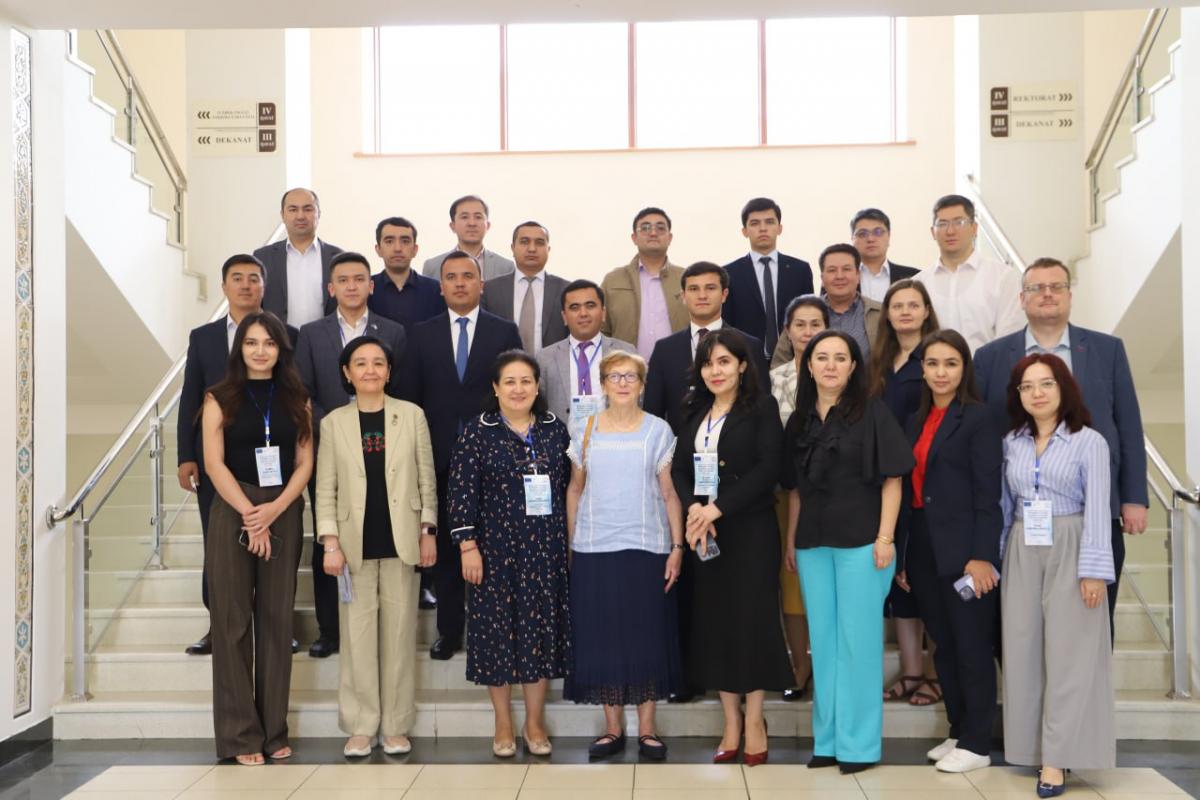
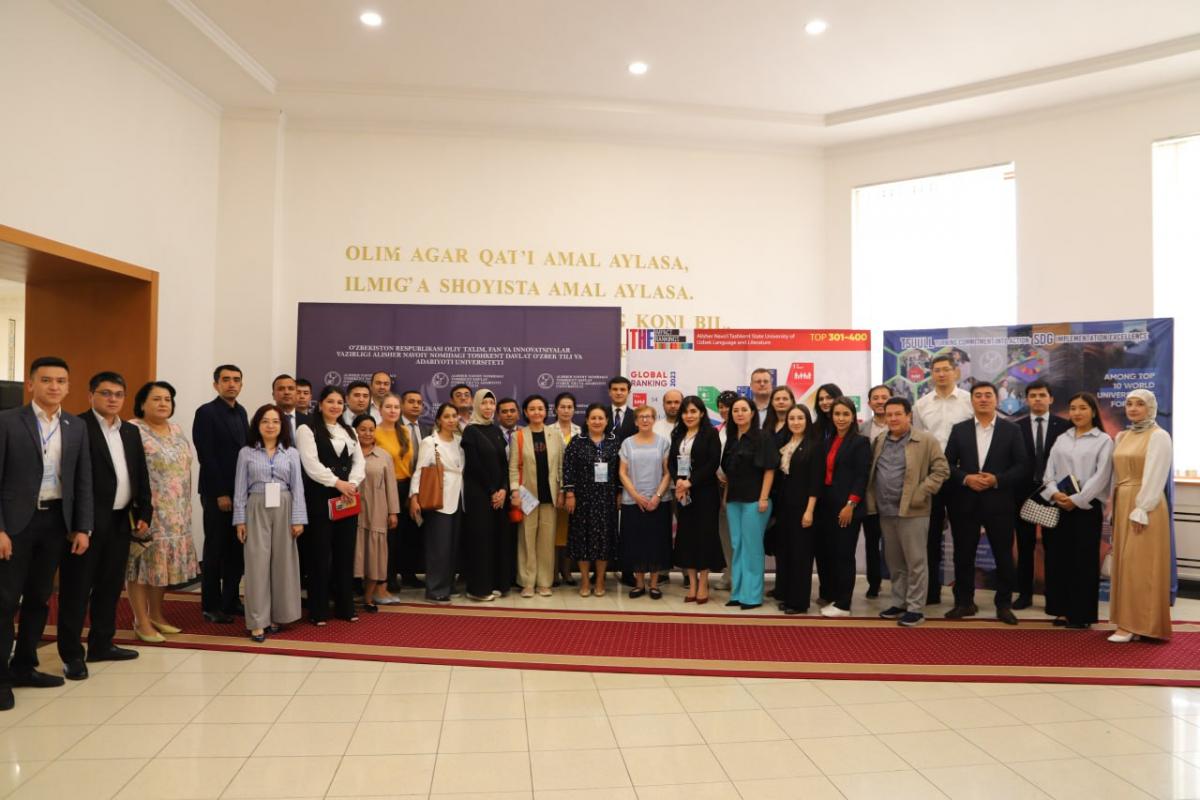
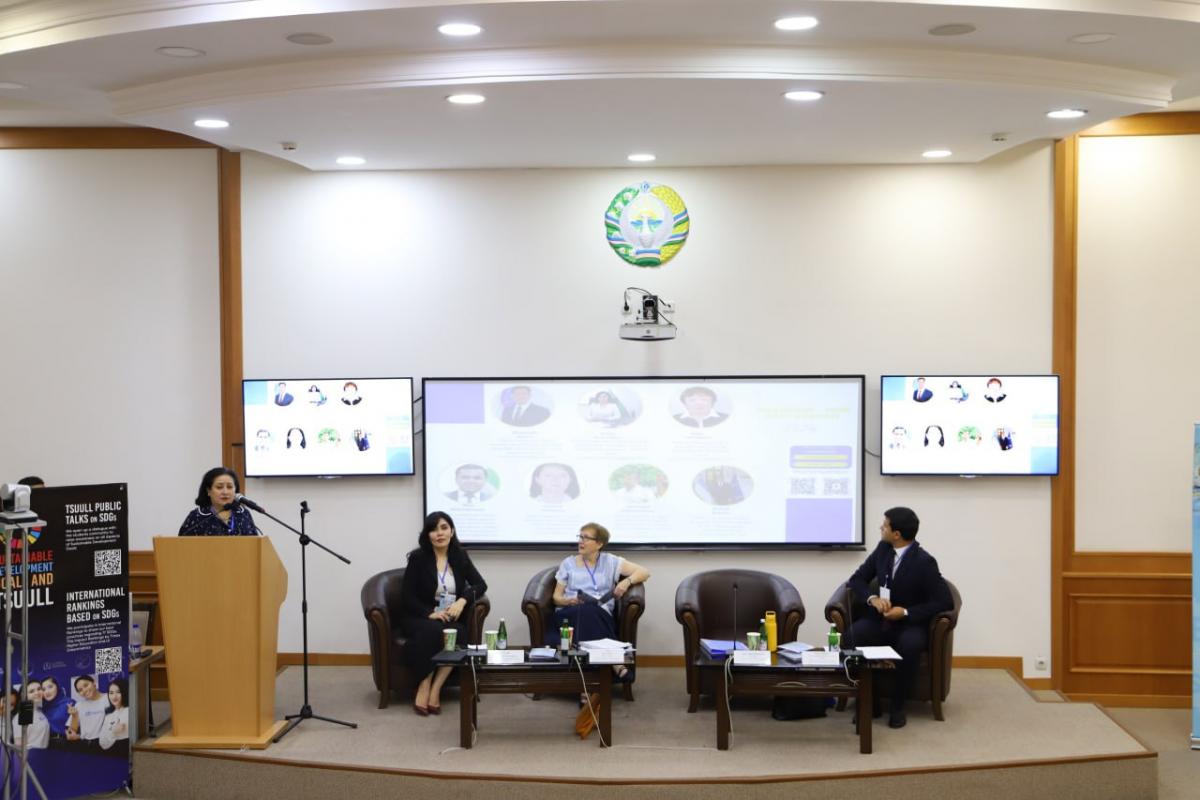
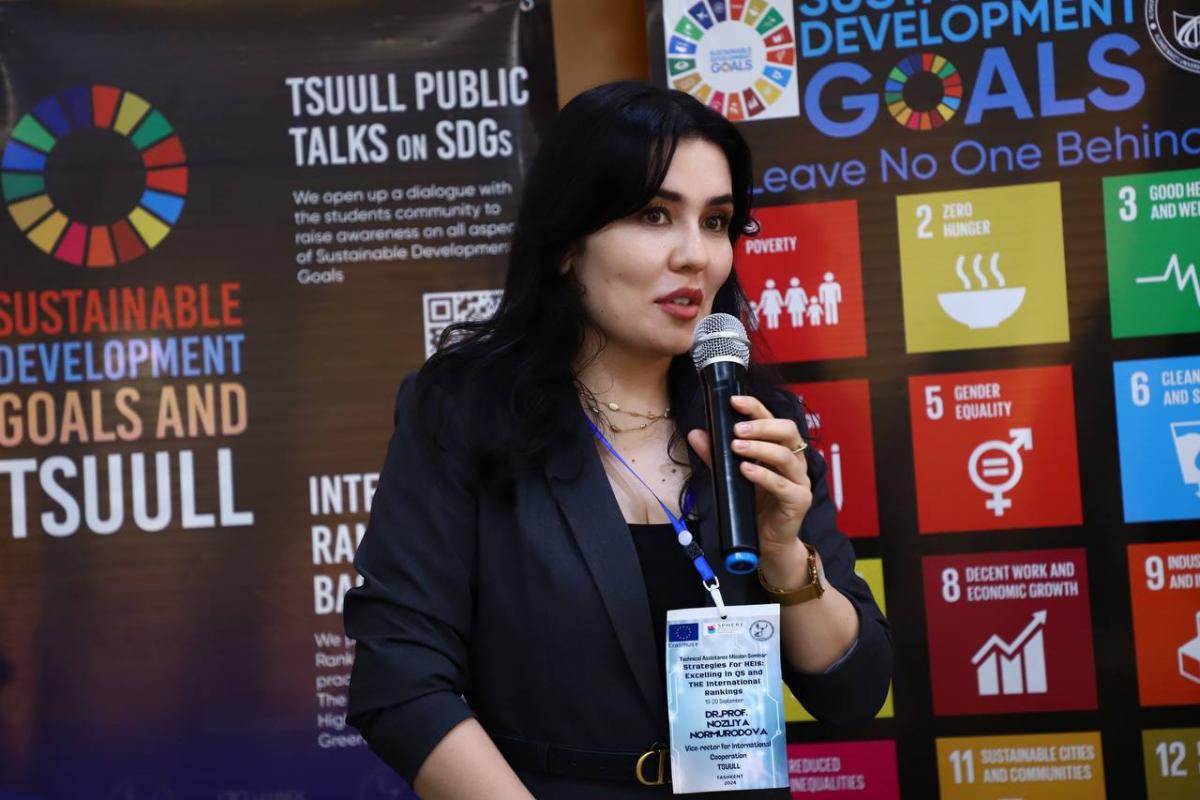
The seminar also featured presentations from local universities that have achieved notable success in international rankings. In particular, N. Normurodova, Vice-Rector for International Cooperation of the Alisher Navo'i Tashkent State University of Uzbek Language and Literature, shared her institution’s practical experience in achieving strong results in THE rankings.
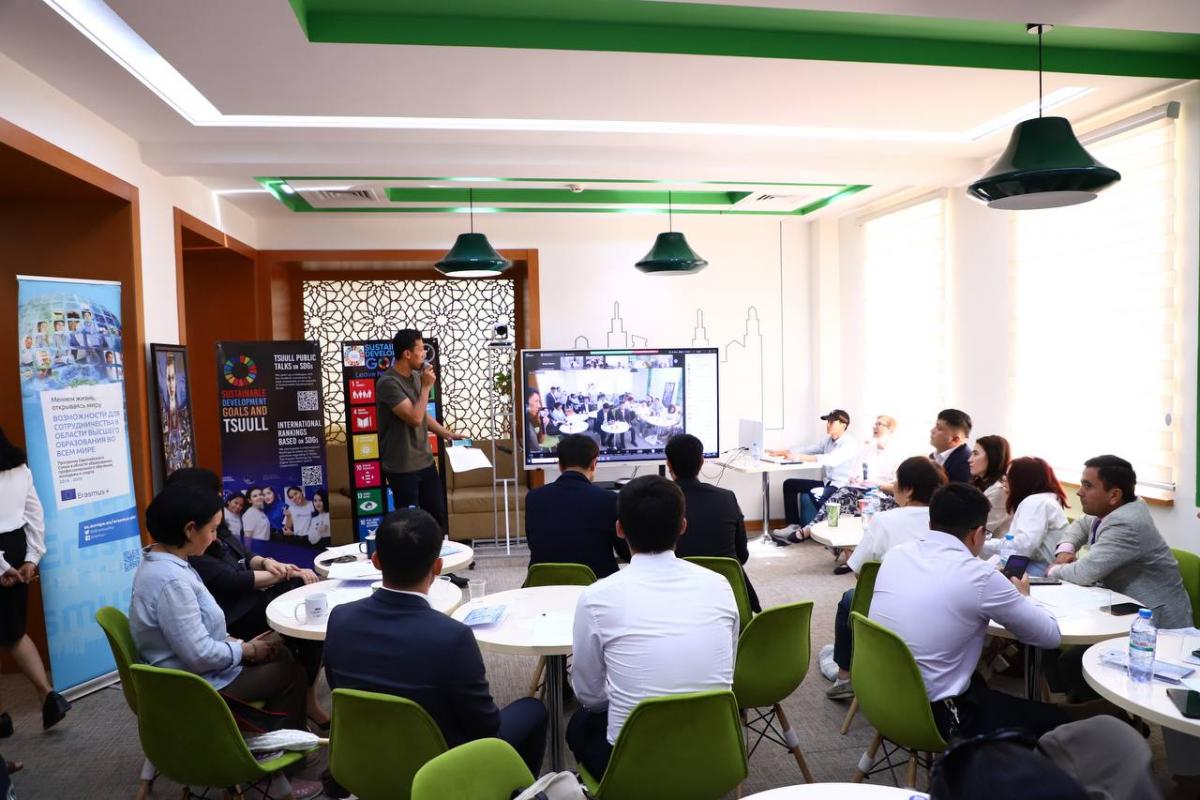
It should be noted that the purpose of the European Union’s Technical Assistance Missions (TAM) is to provide experts working on higher education reforms (HERE) with practical support and guidance targeted at their respective higher education systems. TAMs fulfill this role through various mechanisms, including national seminars, meetings, contribution to conferences, and focus groups.
This important event was organized within the framework of the activity of Erasmus+ Higher Education Reform Experts (HERE).
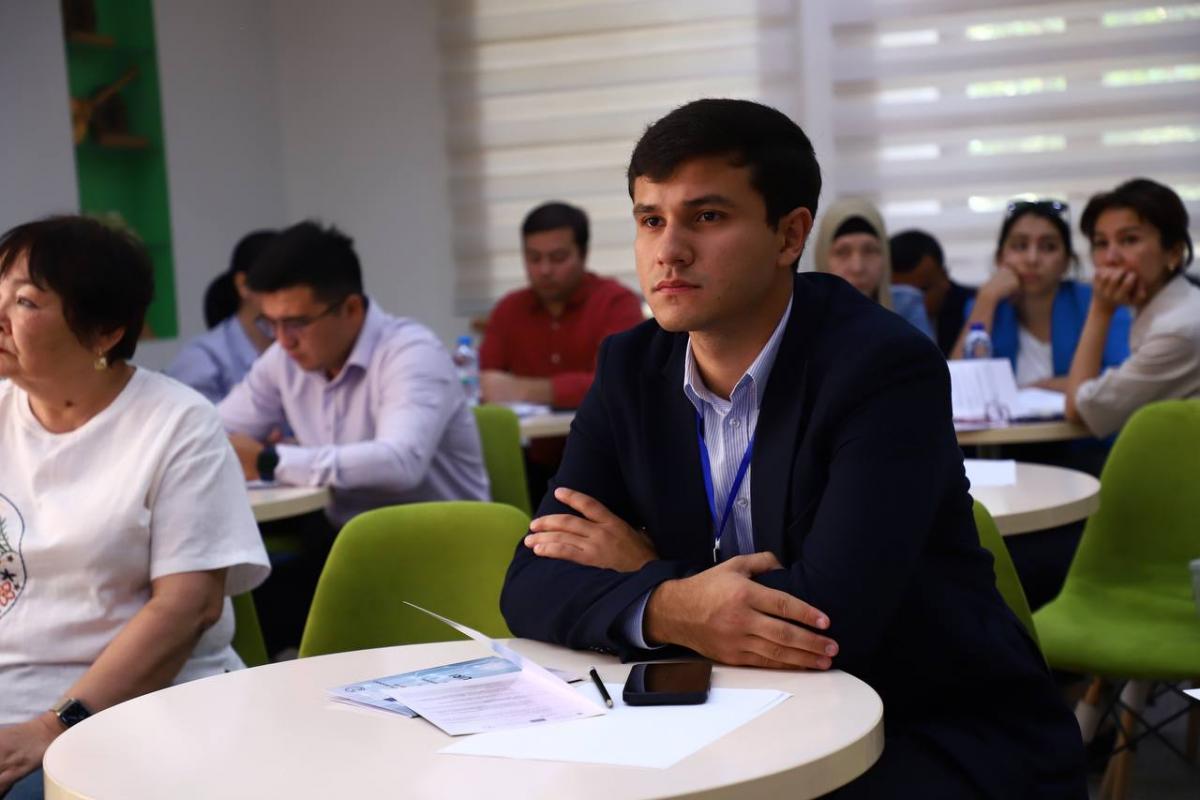
At the conclusion of the seminar, officials announced a proposal to hold such seminars on a regular basis and to assign the responsibility for coordinating this important process specifically to the Alisher Navo’i Tashkent State University of Uzbek Language and Literature. This proposal was endorsed by higher education experts.