Duration
Next Start Date
Closing Date
Additional Information
Participation in National Policy-Making Bodies
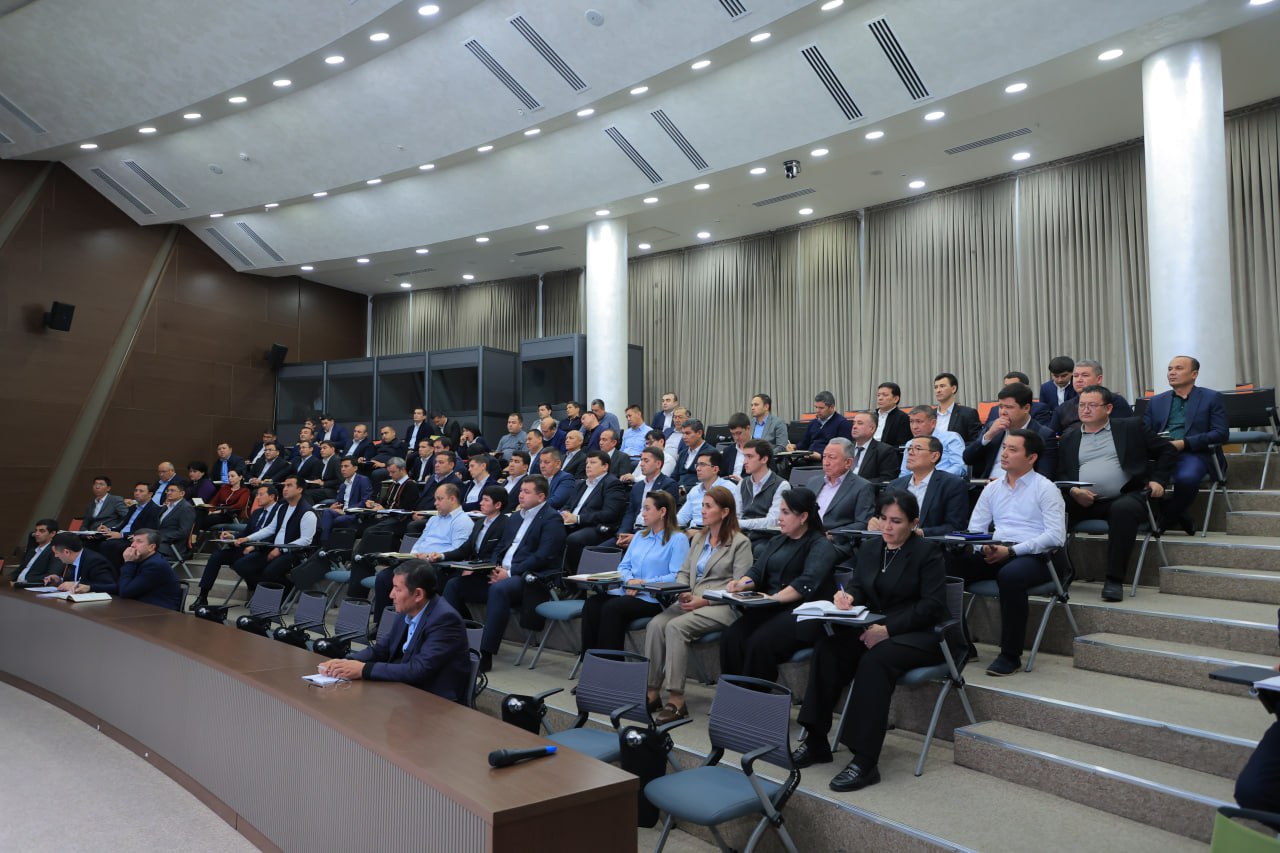
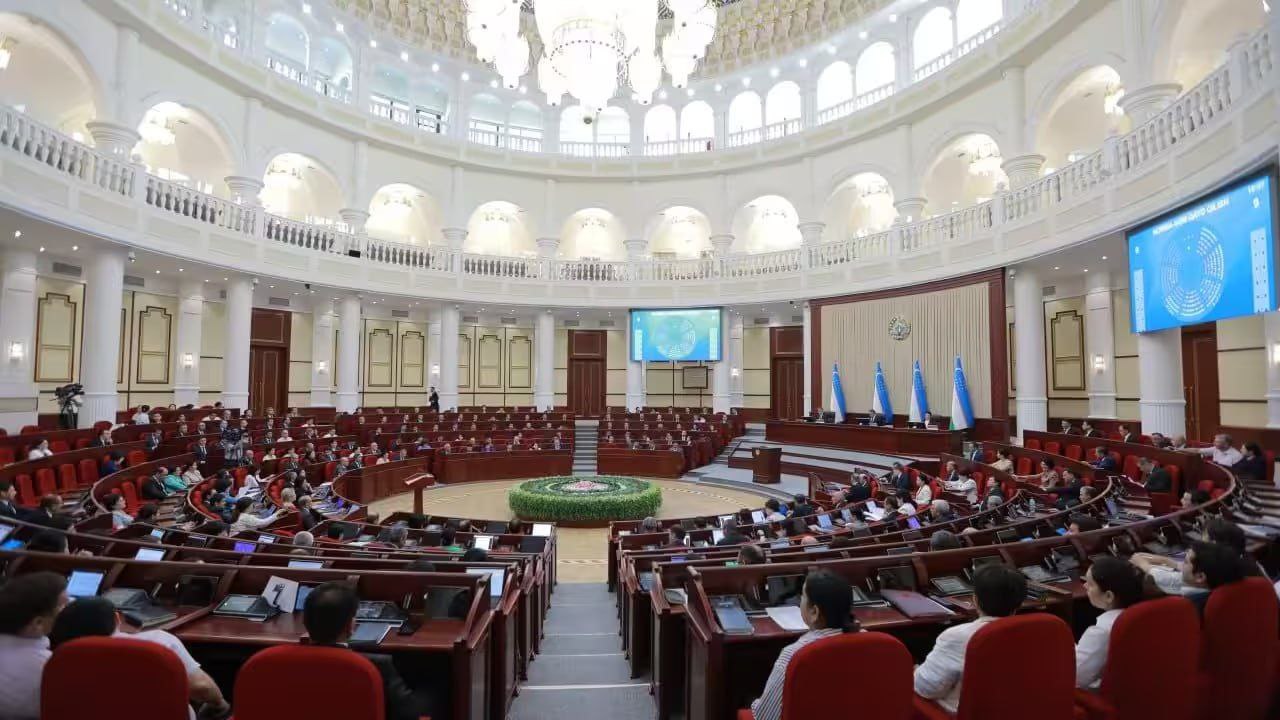
TSUULL actively strengthens its national impact through meaningful engagement in the country’s policy-making ecosystem. As part of its mission to advance education, science, and culture, the University ensures that its leading scholars contribute directly to shaping national priorities and long-term development strategies.
One of the key platforms of this engagement is the Scientific and Technical Council under the Ministry of Higher Education, Science, and Innovation. Five distinguished TSUULL scholars - Normurodova Nozliya, Nurboy Jabborov, Saodat Muhamedova, Hamidulla Dadaboyev, and Xolmanova Zulxumor - serve as official members of this national advisory body. Their membership reflects the University’s academic excellence and the trust placed in its experts at the highest levels of government.
Through this involvement, TSUULL representatives provide expert input on the development, assessment, and modernization of national strategies in higher education. They actively participate in reviewing proposed reforms, evaluating ongoing initiatives, and shaping innovation-driven policy models that support national progress. This ensures that government decisions incorporate scientific research, evidence-based analysis, and international best practices.
The University’s experts also contribute to policy discussions that affect broader societal outcomes such as access to education, social mobility, and poverty reduction. By aligning academic research with national goals, TSUULL supports the creation of inclusive and equitable policies that benefit diverse communities across the country.
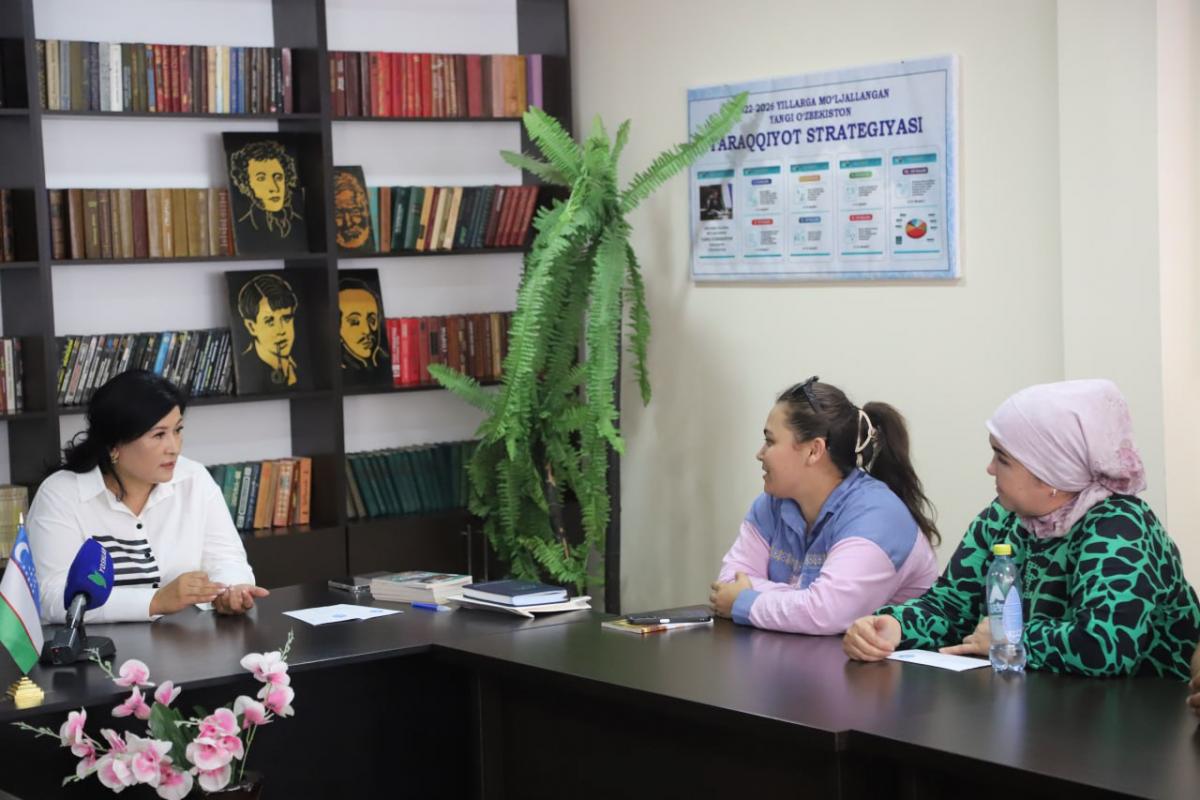
Moreover, TSUULL’s participation strengthens the connection between higher education institutions and state governance. This collaboration ensures that academic research is not limited to classrooms and laboratories but actively informs national development frameworks. It also helps expand opportunities for collaboration in areas such as innovation, digital transformation, and human capital development.
In this way, TSUULL plays a dual role: it not only implements social and educational initiatives at the local level, but also contributes to nationwide policy design that promotes sustainable development. Through the expertise of its academic staff, the University continues to influence long-term strategies aimed at reducing inequality, supporting youth, and building a competitive, knowledge-driven future for Uzbekistan.
Alisher Navo’i Tashkent State University of Uzbek Language and Literature plays an active national role by contributing expert insights to Uzbekistan’s key policy-making structures. By serving on the Scientific and Technical Council of the Ministry of Higher Education, Science, and Innovation, TSUULL scholars help develop and assess major educational reforms, innovation programmes, and strategic state initiatives. Their engagement ensures that national policies are informed by academic research, international standards, and evidence-based decision-making, strengthening the country’s human capital and advancing long-term sustainable development.
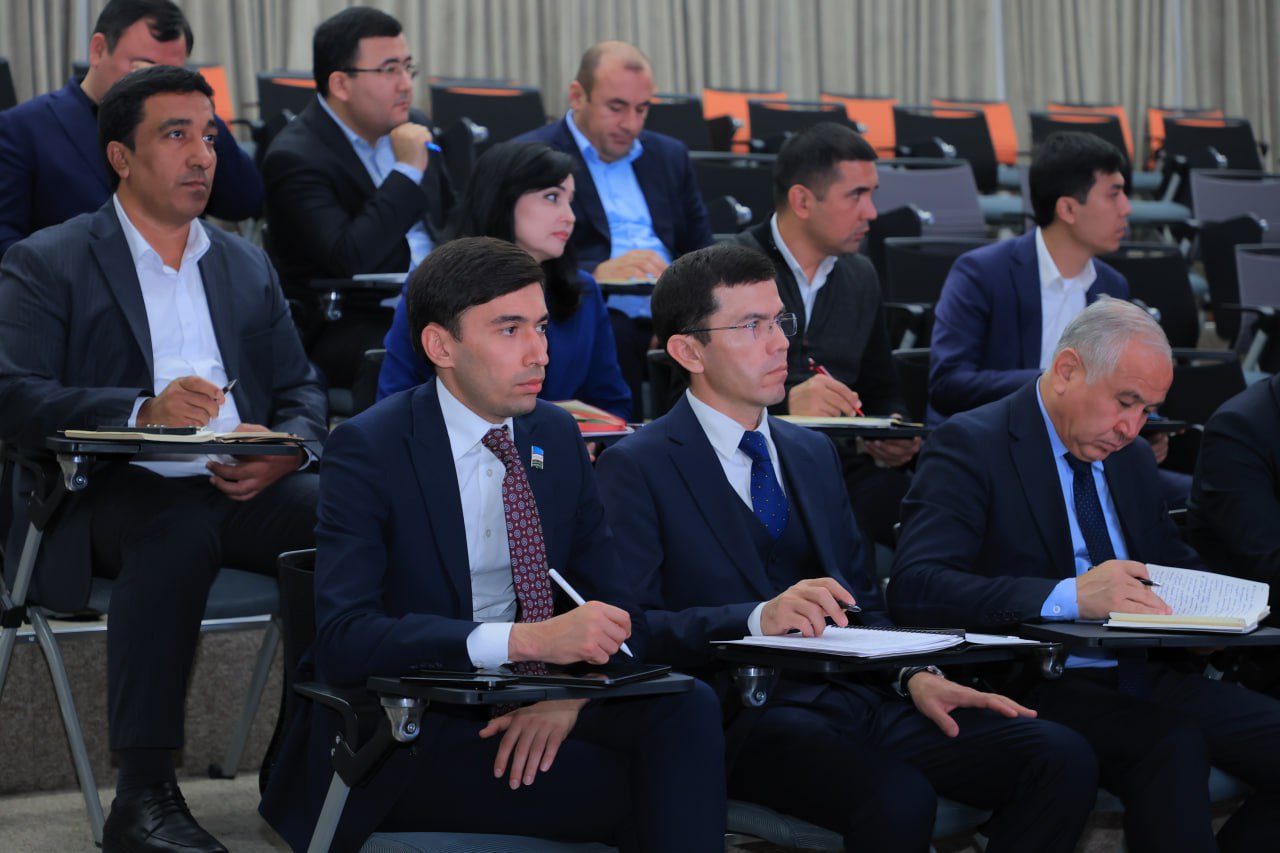
TSUULL plays an increasingly influential role in shaping Uzbekistan’s national development agenda. Through its academic expertise and research-based insights, the University contributes to the formulation of state policies in education, science, culture, and innovation. TSUULL’s involvement ensures that national reforms are grounded in scholarly evidence, aligned with global standards, and responsive to the country’s long-term socio-economic priorities.
Five leading scholars of TSUULL - Normurodova Nozliya, Nurboy Jabborov, Saodat Muhamedova, Hamidulla Dadaboyev, and Xolmanova Zulxumor - serve as official members of the Scientific and Technical Council under the Ministry of Higher Education, Science, and Innovation of the Republic of Uzbekistan. This council is one of the key state bodies responsible for reviewing national reforms, evaluating scientific programmes, and shaping innovation strategies. Their appointment highlights the University’s strong national recognition and its academic leadership in the field.
TSUULL experts contribute to the development of national education standards, curriculum modernization, competence-based learning frameworks, and teacher professional development policies. Through policy reviews and expert consultations, they help the state integrate innovative pedagogical methods, digital learning tools, and international best practices into the education system. Their research-based recommendations support the enhancement of quality, accessibility, and relevance in higher education across Uzbekistan.
The University plays an important advisory role in promoting inclusive development within national policy frameworks. TSUULL specialists contribute to discussions related to equitable access to education, gender equality, social mobility, and opportunities for vulnerable groups, including persons with disabilities and youth from remote regions. Their recommendations help shape social policies aimed at reducing disparities and ensuring that national development benefits all segments of society.
Beyond education, TSUULL scholars actively participate in shaping policies related to scientific research, innovation ecosystems, and the commercialization of knowledge. The University provides expert input on national strategies designed to strengthen research infrastructure, support digital transformation, and encourage the application of scientific results in various sectors. TSUULL’s unique expertise in linguistics, lexicography, language technologies, and cultural heritage preservation enriches the country’s overall innovation landscape.
TSUULL’s academic staff play a central role in developing policies related to human capital development, youth competitiveness, and professional skills formation. Their insights support the creation of state programmes aimed at improving youth employability, expanding career pathways, and fostering leadership among students and young professionals. Through this work, the University contributes to building a future-oriented generation equipped with the skills required for national growth.
The University serves as a vital bridge between the academic community and state institutions, ensuring that policy decisions are guided by research, data, and scholarly analysis. Through thematic working groups, national expert councils, and inter-institutional collaborations, TSUULL provides scientifically grounded recommendations that enhance the quality and effectiveness of public administration. This partnership helps integrate academic knowledge into practical governance.
TSUULL’s participation in national policy-making bodies contributes to shaping long-term strategies aimed at sustainable development, social stability, and economic growth. By offering expert opinions on legislation, national programmes, and state reforms, the University supports policies that strengthen human capital, reduce inequality, and encourage innovation. Through its active engagement, TSUULL reinforces its mission as both an educational institution and a key contributor to the country’s national development agenda.
Research for Inclusive Development
At TSUULL, our research goes beyond academic exploration - it directly supports national goals such as social mobility, poverty reduction, and equitable access to quality education. By analyzing social trends, evaluating policy outcomes, and proposing evidence-based solutions, our scholars help design strategies that improve the lives of diverse communities across Uzbekistan.
Highlighted Projects:
Through these efforts, TSUULL ensures that research is not confined to the classroom or laboratory but actively informs national policy, creating measurable societal impact.