Duration
Next Start Date
Closing Date
Additional Information
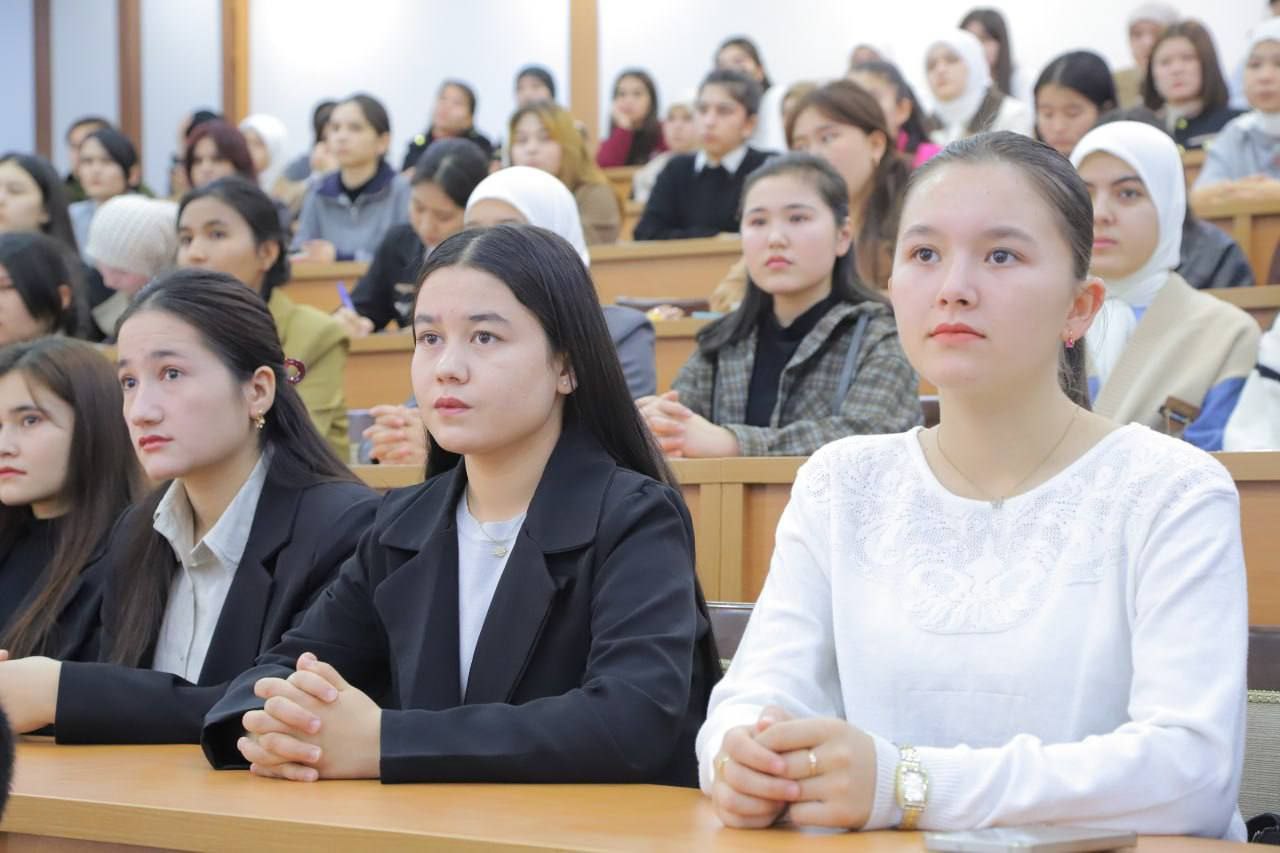
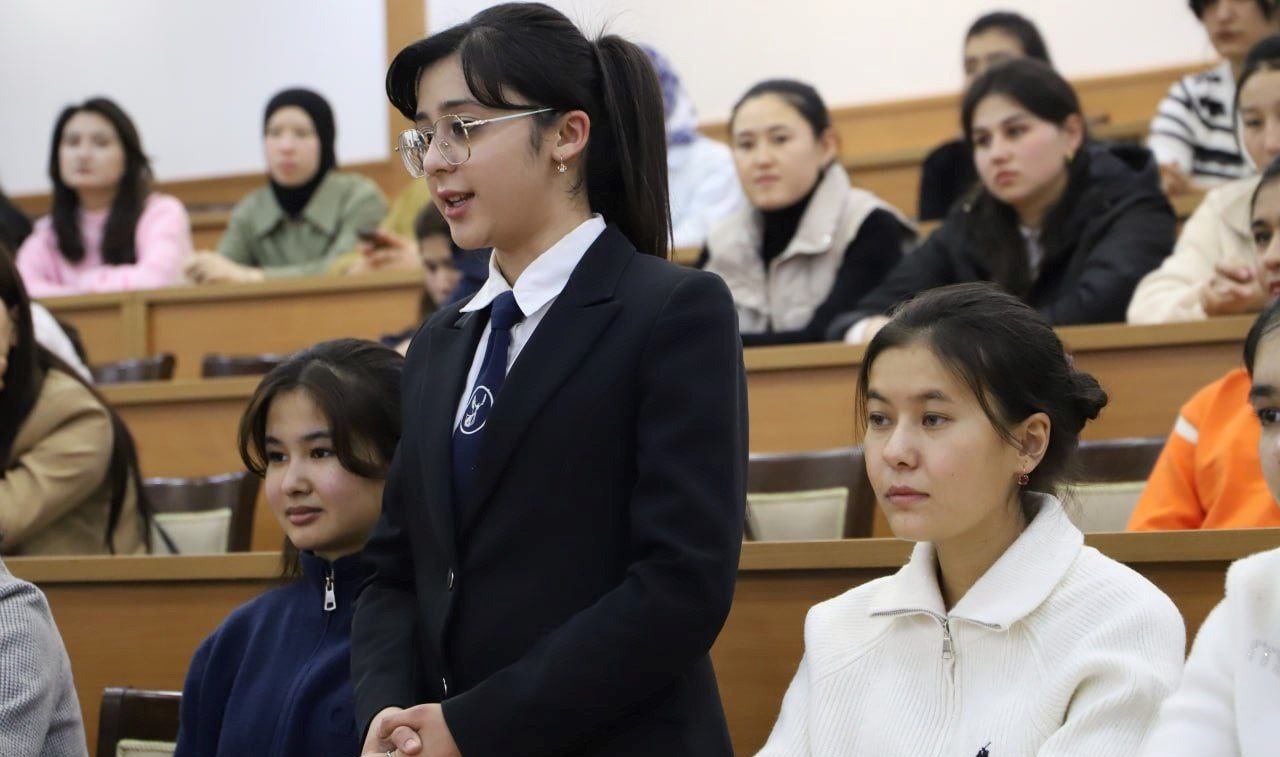
TSUULL plays an active and strategic role in local poverty reduction by empowering community members with practical skills, entrepreneurial knowledge, and access to innovative learning opportunities. Through its expanding ecosystem of student-led start-ups, the university encourages youth to develop market-oriented products and services that generate income and stimulate local economic growth. TSUULL’s digital literacy programs, language courses, and psychological support trainings also help unemployed and vulnerable groups acquire essential competencies that increase their employability and social mobility. By providing open community classes, workshops, and short-term certification programs, the university supports individuals who want to upskill, re-skill, or start microbusinesses in fields such as digital services, translation, education, and small entrepreneurship.
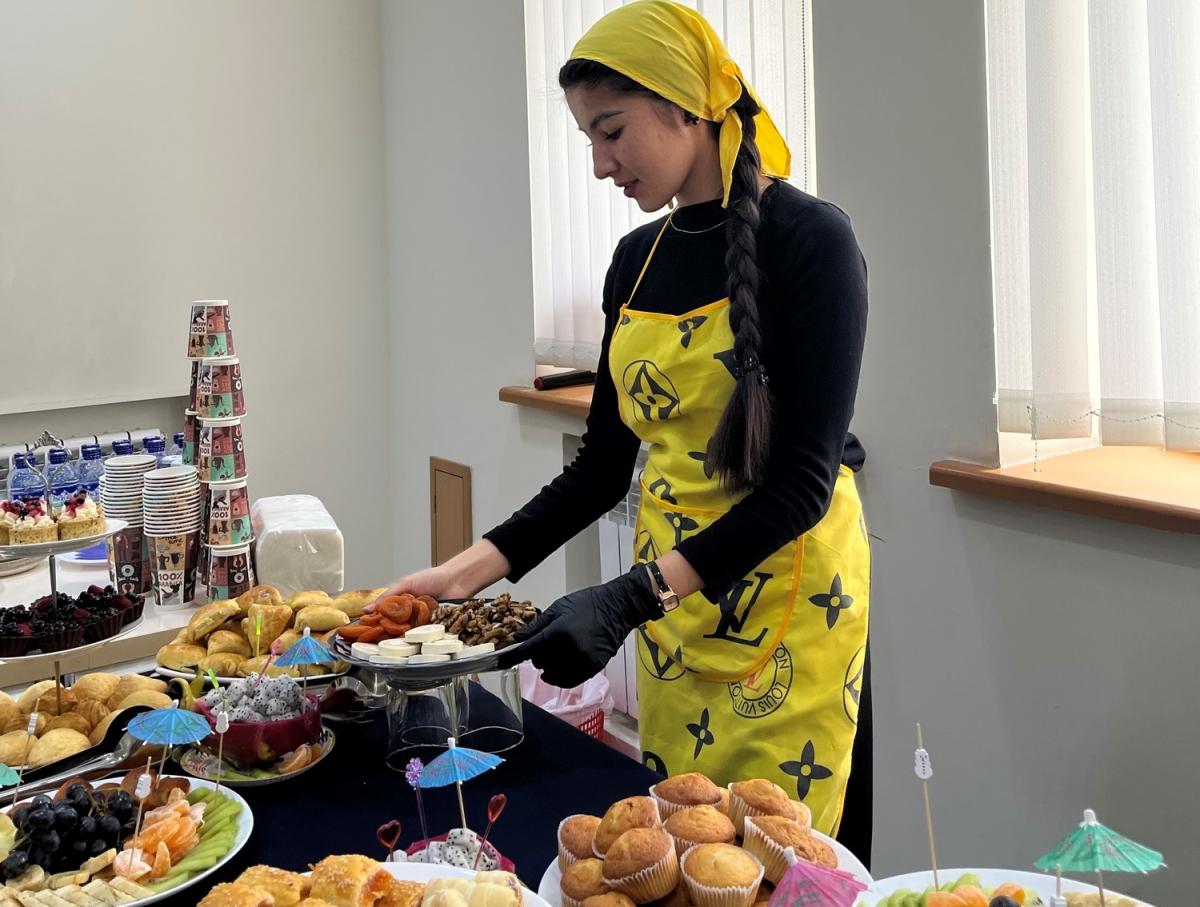
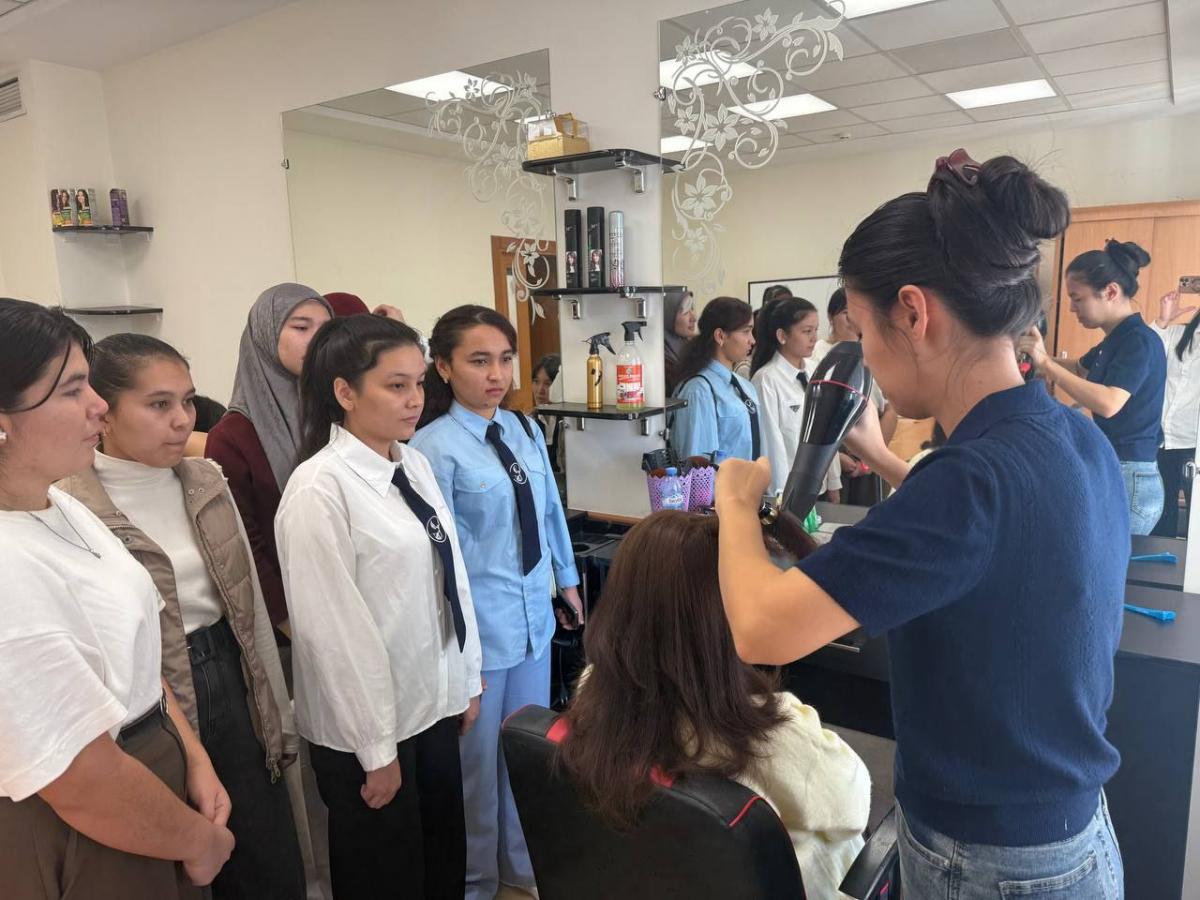
Faculty members and university staff also play a significant governance role by participating in local policy consultations, conducting research on poverty drivers, and advising regional institutions on evidence-based solutions. Professors often collaborate with community centers and NGOs to offer courses in sewing, knitting, and handicrafts—skills that help low-income women and youth generate sustainable household income. Their involvement in capacity-building initiatives, mentoring programs, and innovation hubs ensures that learning goes beyond the classroom and directly benefits local families. Through these integrated academic, social, and entrepreneurial efforts, TSUULL strengthens community resilience and contributes to long-term, community-driven poverty reduction strategies.
TSUULL collaborates directly with neighbouring mahallas — Tepa, Belariq, Konstitutsiya, and Shoxjahon — through its Community Support HUB. The HUB actively participates in local policy dialogue by mapping priority social needs, coordinating community programmes, and supporting mahalla committees in designing poverty-alleviation measures.
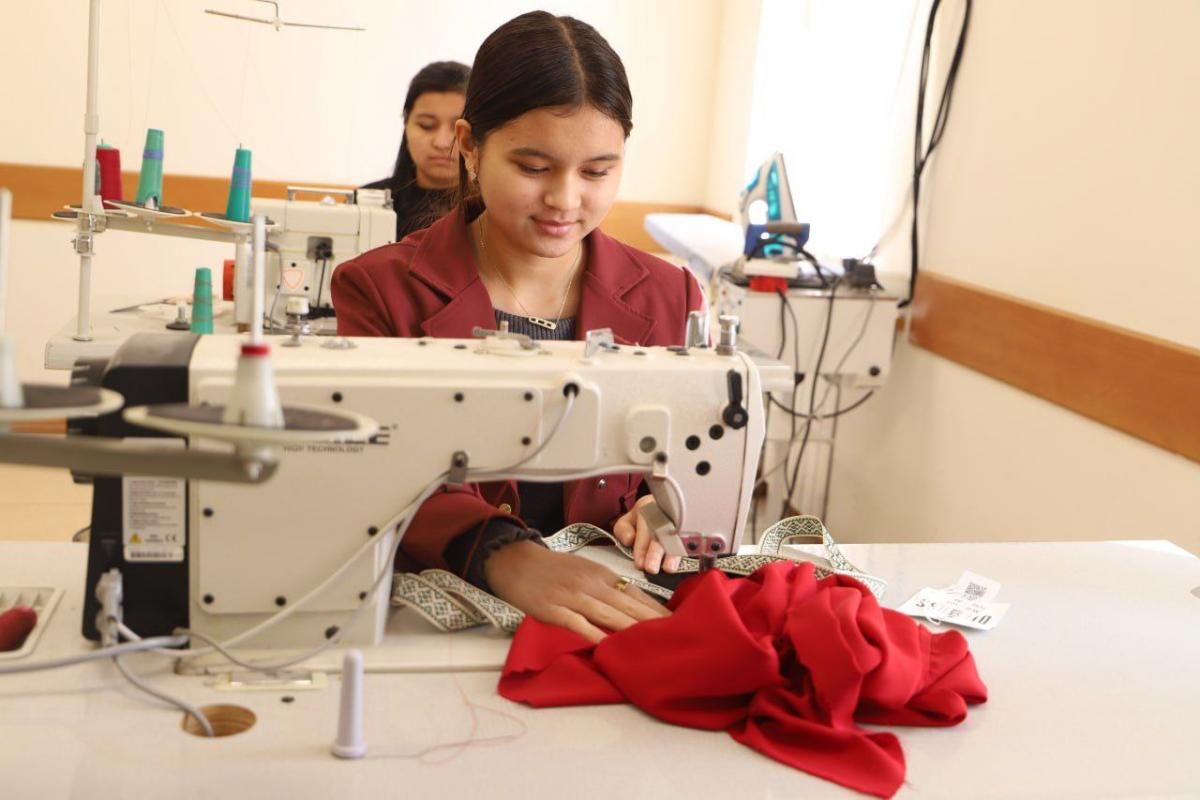
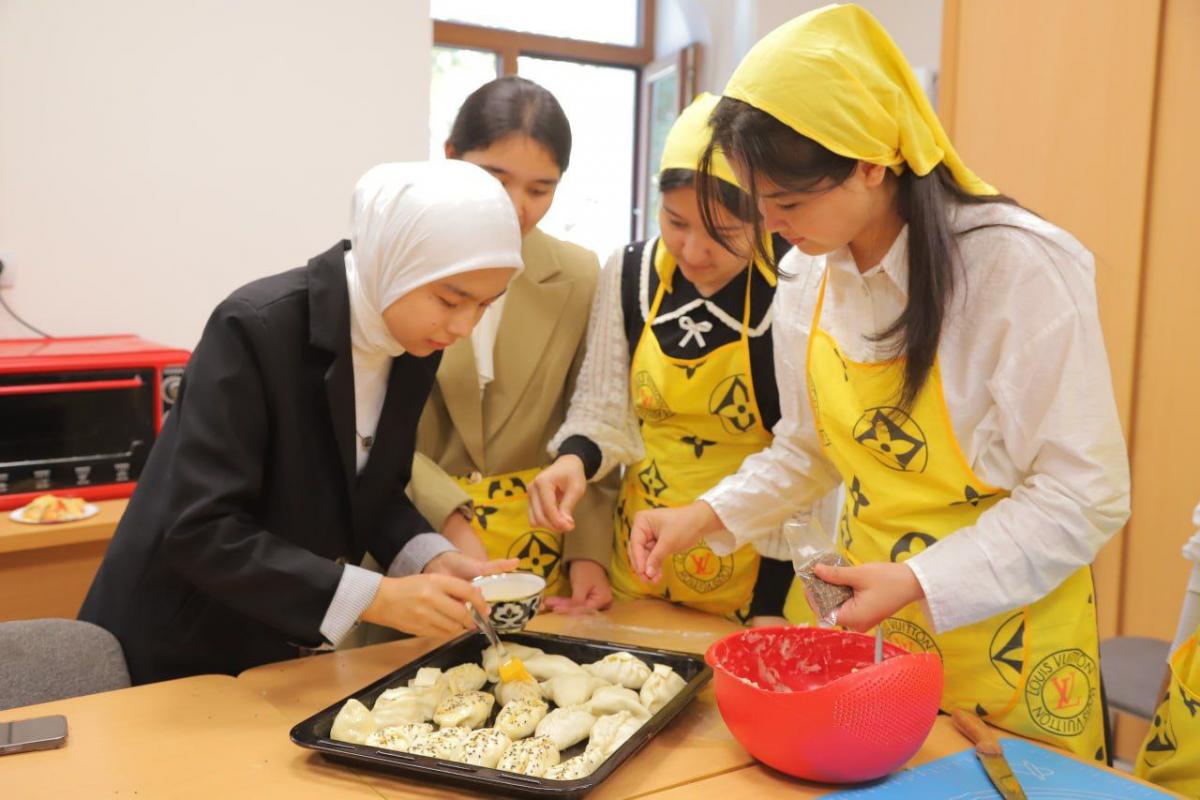
A key component of this local engagement is the University’s Women’s Skills Development Workshop, operating since 2019. This workshop provides vocational training for unemployed women, girls from low-income households, women with disabilities, and individuals from socially vulnerable backgrounds.
Participants receive three months of free, practice-oriented training in sewing and tailoring. Upon completion, graduates gain the skills necessary to earn their own income. To support their transition into the workforce, TSUULL offers:
• free access to professional sewing equipment and workspace at the University’s workshop;
• mentorship from experienced craft specialists;
• opportunities to take part in small-scale production orders;
• pathways to self-employment or employment with partner microbusinesses.
Through this programme, TSUULL not only strengthens local economic resilience but also contributes to community-level policy actions aimed at expanding livelihood opportunities for women.
Training Outcomes (2019–2025)
Total trained to date: 389 women
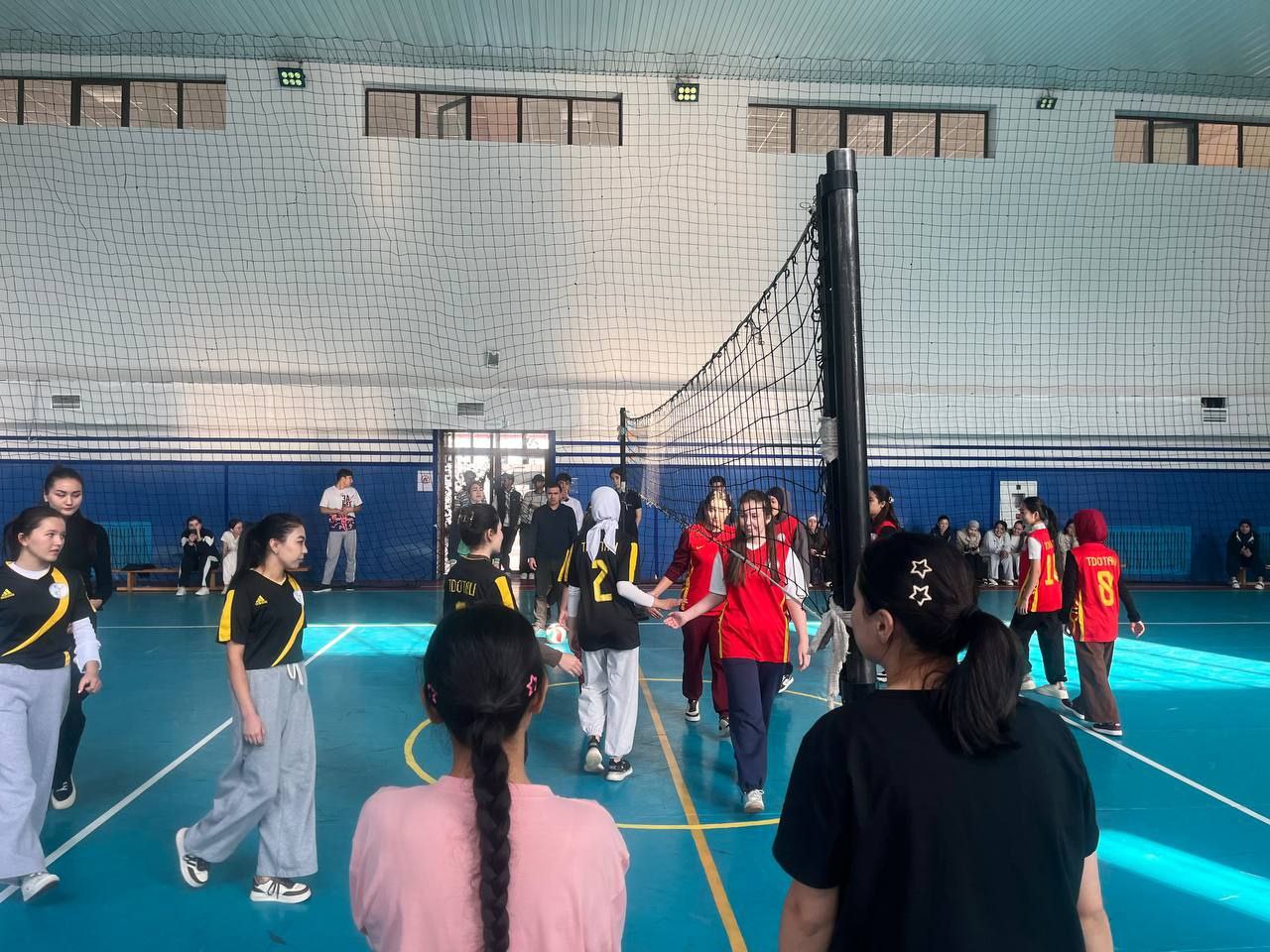
TSUULL implements inclusive sport programs designed to support students and community members from low-income families, ensuring access to healthy, active lifestyles regardless of financial barriers. These initiatives provide free training sessions, mentorship, and participation opportunities in various athletic activities, while outstanding performers receive certificates and targeted financial awards that help ease their economic burden. By creating equitable access to sports and recognizing achievement with tangible support, the University directly contributes to SDG 1 through empowerment, social inclusion, and improved well-being.
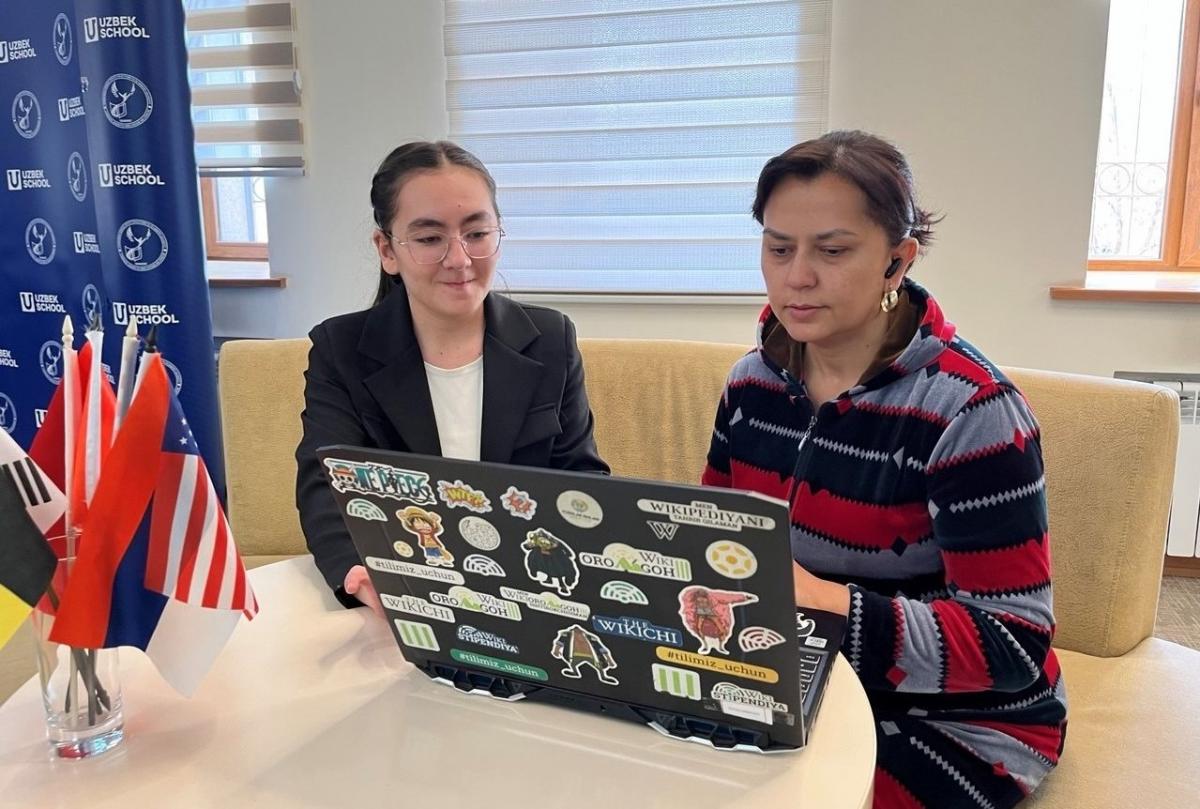
TSUULL’s Digital Skills and Literacy Programs aim to provide equitable access to essential technological competencies for community members, empowering them to participate confidently in an increasingly digital world. As a long-term, ongoing initiative, the program is specifically designed to reduce digital inequality and support vulnerable populations residing in neighborhoods surrounding the University. By focusing on youth, women, senior citizens, and low-income families, the program ensures that those most at risk of exclusion gain the skills needed for education, employment, and daily life.
Explore more

In an effort to expand access to inclusive education and break communication barriers for vulnerable groups, a Sign Language Interpretation Club for community members from low-income families has been launched at Alisher Navo'i Tashkent State University of Uzbek Language and Literature. This initiative aligns with national policies supporting social protection, education accessibility, and equal opportunities for all. The club operates within the framework of the university’s ongoing commitment to inclusivity, complementing the previously established Sign Language Interpreting Club.
Explore more

TSUULL’s Psychological & Counseling Services proudly extends its support not only to students, but to the wider community. We recognize that emotional health is a fundamental part of human well-being, and we are committed to ensuring that every individual - regardless of financial background, education level, or life situation - has access to quality mental health care.
Our center operates on the principles of inclusivity, empathy, and equal opportunity. By offering accessible counseling services, we support the global mission to reduce inequalities and strengthen personal resilience within our society.
Explore more

At TSUULL, language education plays a central role in shaping globally minded, competitive, and socially responsible individuals. To make these opportunities accessible to everyone, the university offers free or subsidized language courses for students from low-income families as well as members of the wider community. These programs aim to eliminate financial barriers and ensure that every motivated learner can master world languages regardless of their economic background.