
TSUULL’s Collaboration With NGOs and Global Partners to Advance the SDGs
TSUULL maintains an extensive, institutionally coordinated system of collaboration with national and international NGOs, positioning the University as an active driver of SDG implementation across education, gender equality, governance, digitalization, and cultural preservation. Central to this engagement is the University’s formal cooperation with the Association of Central Asia (ACARO), a leading regional NGO dedicated to human rights, democracy, and civil-society development. Through joint advocacy programmes, public policy consultations, SDG awareness campaigns, and national dialogue platforms, TSUULL works directly with ACARO and other NGOs to identify community needs, analyse structural barriers, and co-design evidence-based solutions. The University’s scholars - including those who hold dual academic and NGO leadership roles - contribute research, expertise, and monitoring tools that help NGOs advance SDG 4, SDG 5, SDG 10, SDG 16, and SDG 17.
TSUULL actively fosters collaborations with international networks, regional NGOs, and development organizations to advance the United Nations Sustainable Development Goals (SDGs). Through memberships in global networks such as the Sustainable Development Solutions Network (SDSN), the HERE Network, and the Turkic Council States Orkhon Exchange Programme, as well as Erasmus+ consortia, the University engages in knowledge exchange, joint research, and capacity-building initiatives that connect academic excellence with practical solutions. These collaborations support SDG-aligned projects in education, innovation, cultural exchange, and sustainable development.
At the regional level, TSUULL works closely with the Association of Central Asia (ACARO) in Uzbekistan, leveraging the expertise of faculty members who also serve as ACARO leaders to create a continuous bridge between research and policy. This partnership enables the University to provide evidence-based input on gender equality, educational inclusion, and democratic governance, while also supporting national and regional SDG frameworks.
TSUULL ensures that these collaborations reach the wider community through public engagement, civic education, and applied initiatives. Programs like TSUULL Talks, workshops, and policy consultations translate academic research into actionable strategies, raising awareness on human rights, social justice, and sustainable development. By integrating international expertise, local partnerships, and community-focused projects, TSUULL cultivates leaders, researchers, and citizens capable of driving positive change, demonstrating a holistic commitment to the SDGs across education, research, and society.
Global Collaboration: A Network of Impact
TSUULL stands as a leading center of international cooperation, advancing academic excellence and sustainable development through a diverse network of more than 110 global partners across six continents. With an academic tradition dating back to 1935, the University blends heritage with innovation, creating a truly international environment that strengthens its commitment to the United Nations Sustainable Development Goals (SDGs). As an active member of the Sustainable Development Solutions Network (SDSN), the HERE Network, and the Turkic Council States Orkhon Exchange Programme, TSUULL utilizes its worldwide connections to address both local and global challenges.
The University’s collaborations span a wide spectrum of academic and cultural initiatives. These include exchange programs with Ca’ Foscari University of Venice (Italy), joint computational linguistics research with the University of Bialystok (Poland), and SDG-focused educational partnerships with UNESCO and the Erasmus Office in Uzbekistan. Dual-Degree MA programs delivered jointly with Ankara Hacı Bayram Veli University (Turkey) prepare students in fields such as Tourism Guidance, Professional Interpreting, and Computer Graphics and Media Design, equipping graduates with skills essential for sustainable development and intercultural communication.
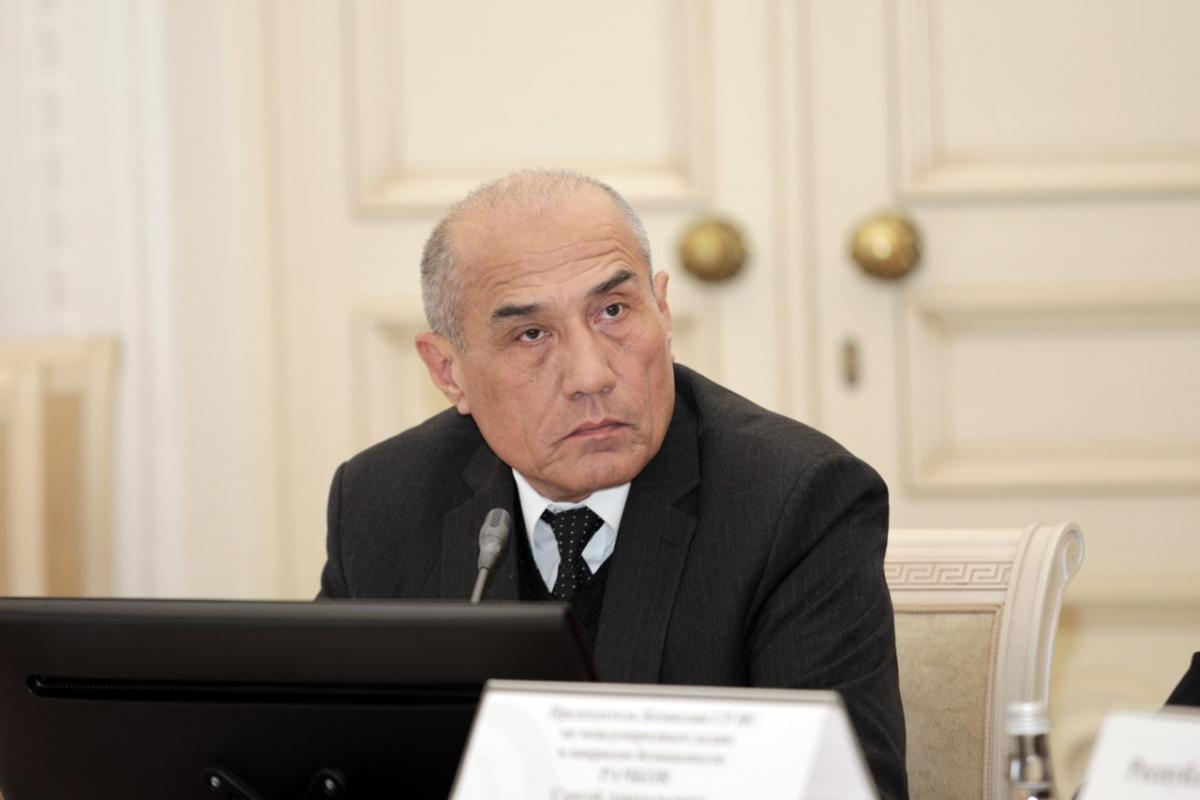
TSUULL also hosts several specialized centers that strengthen its global impact. The Center for Turkic Studies conducts research on Turkic linguistics, Chagatai literature, and ancient Runic scripts while working closely with international scholars. A notable cooperation with the British Library on publishing rare manuscripts by Alisher Navo’i reflects the University’s commitment to preserving and promoting cultural heritage. Additionally, its laboratories in Persian, Arabic, and Old Uzbek Calligraphy allow students to engage with foreign experts and study original manuscripts, enriching academic exploration of the Silk Road and Central Asian history.
Guided by SDG principles, TSUULL encourages interdisciplinary collaboration and practical, solution-oriented research. With five faculties and a broad academic structure, the University cultivates innovation, capacity-building, and global perspectives among students and researchers - shaping a new generation of leaders prepared to address worldwide challenges.
TSUULL’s proactive global engagement demonstrates how strategic partnerships can transform education, research, and community impact. By merging its profound cultural heritage with forward-looking initiatives, the University continues to be a center of innovation and sustainability, contributing to long-term development in Uzbekistan and beyond.
SDSN Membership and Alignment with Global Standards
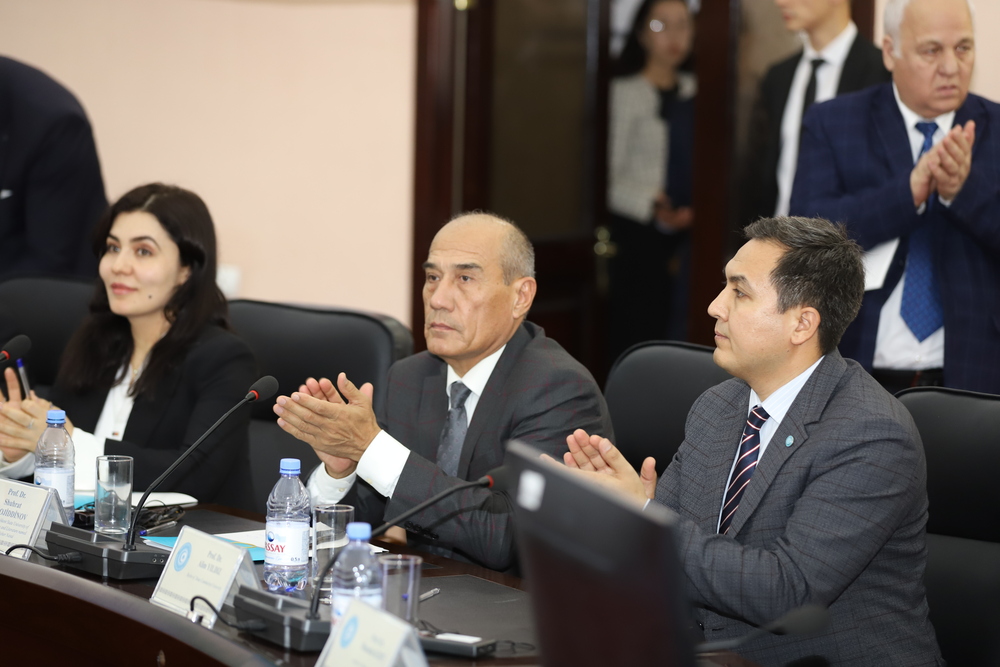
As a committed member of the Sustainable Development Solutions Network (SDSN), TSUULL actively contributes to global efforts aimed at accelerating the achievement of the United Nations Sustainable Development Goals. Through this membership, the University gains access to an international platform of experts, institutions, and policymakers dedicated to advancing sustainable solutions. TSUULL regularly participates in SDSN-led initiatives, ensuring that its academic programs, research activities, and community projects remain aligned with internationally recognized sustainability frameworks.
By sharing best practices and engaging in cross-institutional dialogue, TSUULL helps shape policies and educational innovations that remove barriers for underrepresented groups and promote equitable participation in higher education.
Through its active engagement in the SDSN network and EU-supported programs, TSUULL ensures that its education, research, and public service activities are grounded in global best practices, reinforcing the University’s role as a forward-looking institution dedicated to sustainable, inclusive, and internationally relevant development.
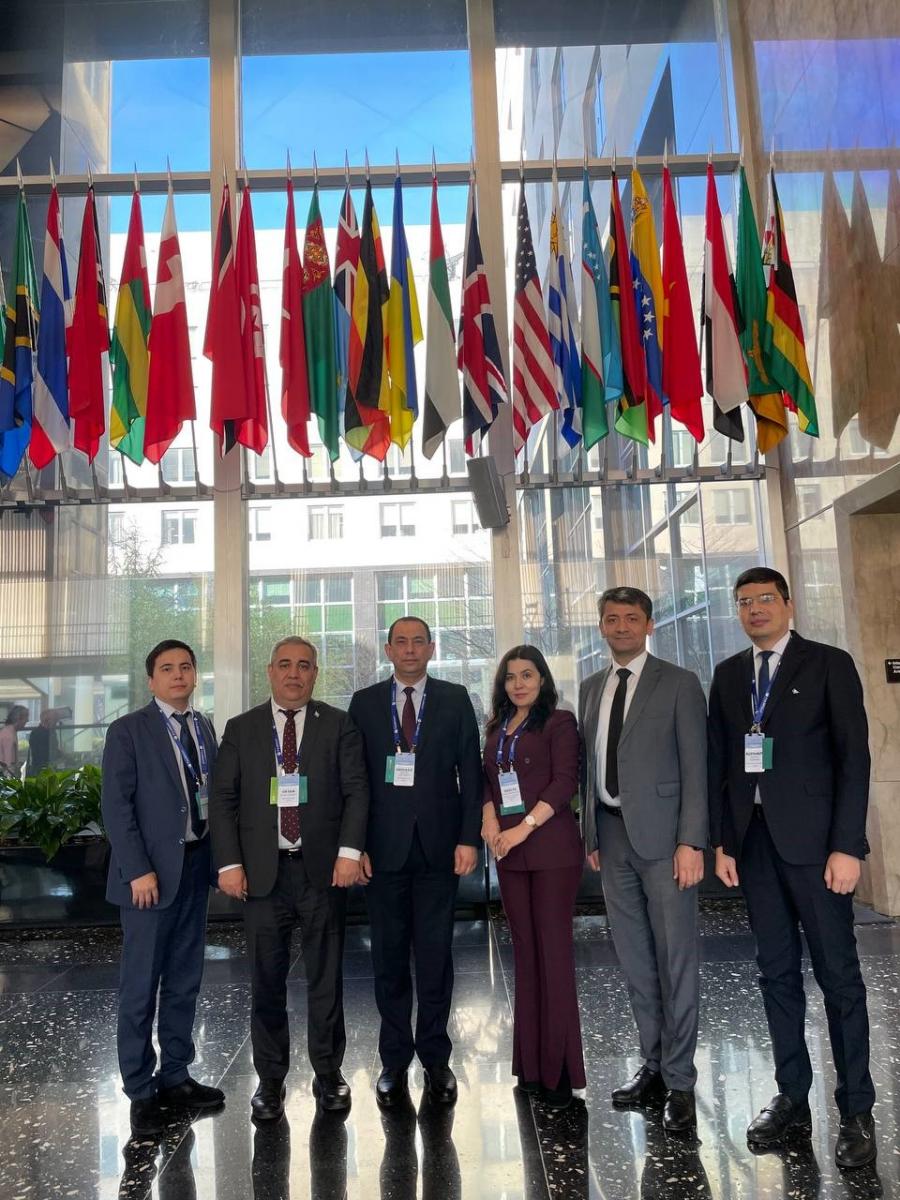
As a member of the Sustainable Development Solutions Network (SDSN), TSUULL not only aligns its academic programs and research with global sustainability standards but also actively promotes knowledge sharing and capacity building across civil society. Through international collaborations and participation in SDSN-led initiatives, the University translates global expertise into actionable strategies that address local challenges while advancing the United Nations Sustainable Development Goals. These efforts strengthen inclusive education, gender equality, and social engagement, ensuring that TSUULL’s contributions are both locally relevant and globally informed.
Building on this commitment, TSUULL will host the Annual International Conference “Transforming Local Challenges into Advocacy Action: Empowering Civil Society for Rights-Based Advocacy” on 21–22 November 2025. This conference exemplifies the University’s dedication to connecting research, policy, and civic engagement by providing a platform for scholars, practitioners, and NGO representatives to collaborate on solutions that advance human rights, social justice, and sustainable development. Through events like this, TSUULL demonstrates how its SDSN membership and international partnerships translate into tangible, community-focused impact and regional leadership in SDG-oriented advocacy.
TSUULL works closely with NGOs to implement targeted community-support initiatives that assist low-income families, elderly citizens, and individuals facing social vulnerability. Through joint outreach campaigns, distribution of essential resources, and capacity-building workshops, these partnerships help reduce economic hardship and strengthen community resilience. By integrating NGO expertise with the University’s academic strengths, TSUULL actively contributes to reducing poverty, addressing inequalities, and supporting inclusive social development across local communities.
TSUULL collaborates with NGOs specializing in psychological support, mental health advocacy, and healthy lifestyle promotion. This includes organizing counseling sessions, emotional well-being workshops, stress-management trainings, and awareness campaigns on mental health issues. By integrating NGO services into campus and community life, TSUULL ensures accessible support for students, staff, and local residents. These joint initiatives strengthen community well-being, promote early intervention, and foster a healthier, more supportive social environment.
TSUULL collaborates with youth organizations and volunteer NGOs to cultivate active citizenship among students. Joint initiatives include community clean-up actions, environmental projects, cultural events, and social aid campaigns. These programs give students hands-on experience in teamwork, leadership, and community service, while also strengthening connections between the University and the wider community. Through these collaborations, TSUULL helps young people become socially responsible, engaged, and impactful members of society.
In partnership with leading educational NGOs, TSUULL expands community access to high-quality learning opportunities. These collaborations include digital literacy training, language courses, reading-promotion campaigns, and tailored learning programs for youth and adults. Together, these initiatives empower community members with essential academic and digital competencies that support their career growth, personal development, and long-term employability. Through these partnerships, TSUULL reinforces its commitment to inclusive, equitable, and accessible education for all.
TSUULL partners with women-focused NGOs to champion gender equality and promote the empowerment of girls and women. Through co-organized seminars, leadership workshops, mentorship programs, and safety-awareness campaigns, these collaborations help build confidence, encourage equal participation in academic and community activities, and address gender-based challenges. By working together with expert NGOs, TSUULL contributes to creating safer learning environments, supporting women’s rights, and fostering a culture of respect, inclusion, and opportunity.
TSUULL maintain long-term collaborations with both local and international NGOs to drive sustainable development efforts. These strategic partnerships focus on shared project development, research collaborations, community-based initiatives, and policy-support activities. By working collectively, TSUULL and its partners ensure that community programs remain effective, scalable, and aligned with national priorities and the UN Sustainable Development Goals. These collaborations foster innovation, strengthen institutional capacity, and enhance the University’s overall contribution to sustainable development.
TSUULL & ACARO: A Strategic Partnership for SDG Advancement
TSUULL maintains a strategic and impactful partnership with the Association of Central Asia (ACARO), a regional NGO registered by the Ministry of Justice of Uzbekistan. This collaboration strengthens the university’s leadership in SDG-aligned policy development, civic education, and community capacity building. The partnership is uniquely reinforced by the dual role of Professor Gulnoz Mamarasulova, who serves both as a TSUULL lecturer and the Director of ACARO’s Representative Office in Uzbekistan, ensuring a continuous and effective bridge between academic expertise and NGO-led SDG action.
Through this cooperation, TSUULL contributes directly to national and regional efforts addressing SDG 4 (Quality Education), SDG 5 (Gender Equality), SDG 10 (Reduced Inequalities), and SDG 16 (Peace, Justice, and Strong Institutions). ACARO and TSUULL jointly organize public lectures, civic-education workshops, and awareness sessions on human rights, democracy, discrimination in education, and social justice as part of the TSUULL Talks Public Lecture Programme. These initiatives help students and faculty engage with international conventions - such as the UNESCO Convention Against Discrimination in Education - while developing practical solutions for local challenges.
In addition to educational activities, the collaboration supports research-based policy recommendations through the TSUULL Gender Studies Research Centre, which works closely with ACARO and the National Council of Independent Civil Society. Faculty and student researchers analyse gender barriers, monitor SDG implementation, and contribute expert input to government consultations and civil-society reports. Joint training programs for youth leaders, educators, and community representatives further enhance local capacity in democratic participation, inclusive governance, and rights-based development.
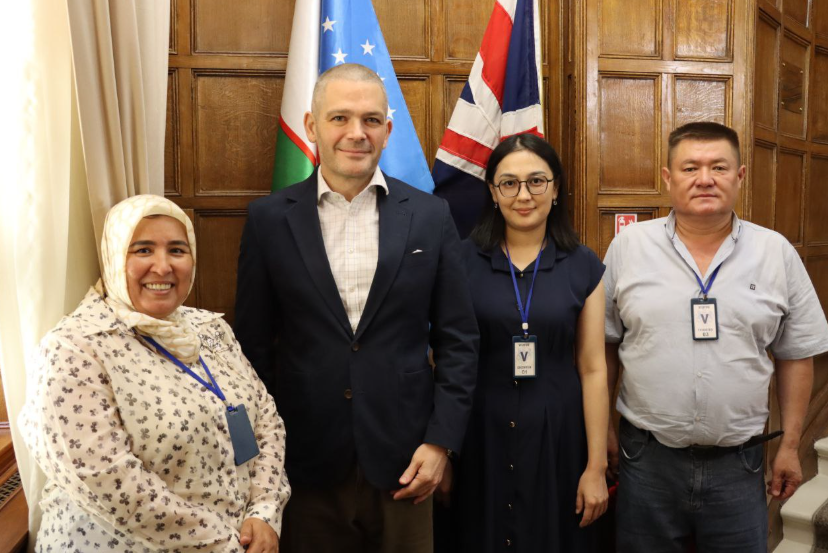
Civil Society Collaboration for Quality Education and EU Integration
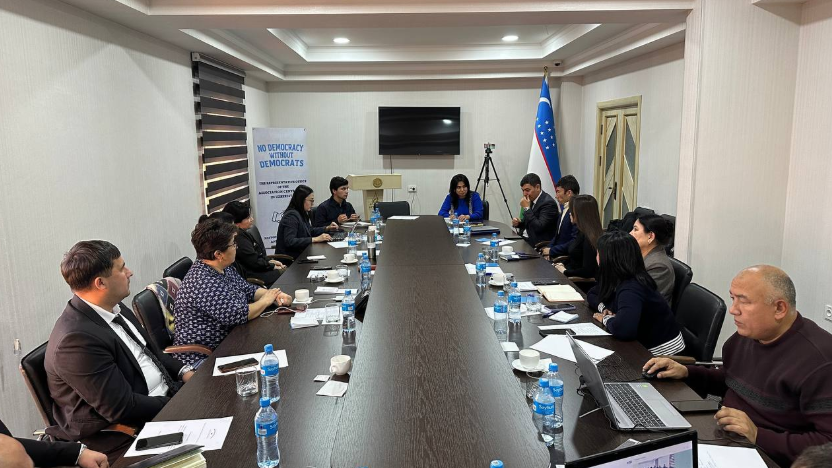
TSUULL works closely with national and international NGOs to strengthen the impact of its Jean Monnet teaching and research activities. These partnerships integrate practical expertise into university coursework, helping students explore EU perspectives on democracy, equality, civic participation, and multilingual education. By connecting academic learning with real societal challenges, TSUULL supports SDG 4 through more inclusive, relevant, and globally aligned teaching.
Joint research initiatives with NGOs further enhance TSUULL’s contribution to evidence-based policy development in Uzbekistan. Collaborative studies on gender equality, human rights, and educational reform lead to policy briefs, analytical papers, and teaching resources that reflect EU standards and local needs. These activities reinforce SDG 5 and SDG 16 by generating knowledge that promotes fairness, transparency, and inclusive governance.
Through community engagement programs, TSUULL and NGO partners deliver public lectures, debates, and youth workshops that translate EU values into real experiences. Students participate in outreach campaigns on non-discrimination, accessibility, digital literacy, and civic responsibility - helping strengthen social dialogue and raise public awareness. Such initiatives directly contribute to SDG 10 and support broader community empowerment.
NGO partnerships also expand opportunities for volunteering, internships, and leadership development under the Jean Monnet framework. Students gain hands-on experience through EU-themed projects, school visits, and civil-society campaigns that encourage active citizenship. This cooperation strengthens SDG 17 by building durable connections between academia and civil society, while equipping young people with the skills to contribute meaningfully to sustainable development.