Duration
Next Start Date
Closing Date
Additional Information
Parliamentary Leadership in Strengthening Social Protection Systems
In 2024, Rector of TSUULL, Professor Shuhrat Sirojiddinov, in his capacity as a Deputy of the Legislative Chamber of the Oliy Majlis and a member of the Tashkent City Permanent Commission on Industry, Transport, Construction, Utilities, and Public Services, played a decisive role in reforming social protection mechanisms aimed at reducing poverty and expanding support for vulnerable populations.
As part of the National Working Group on Poverty Reduction, he assumed responsibility for coordinating evidence-based consultations between national legislators, local government bodies, and civil society representatives. Leveraging his dual mandate—as both a university leader and a national lawmaker—he ensured that emerging academic research, field data collected by TSUULL sociolinguists, and community-level feedback from mahallas were directly integrated into legislative deliberations.
A major focus of his work in 2024 involved contributing to the nationwide reform of the social protection system launched under ПП-267 (18 July 2024), which introduced a transition to a unified digital model of state social support. His contribution centred on simplifying and accelerating access to targeted financial assistance for low-income households through the development of amendment proposals aligned with the new Социальная карта and integrated digital registry framework.
Under his guidance, the working group drafted amendments that:
• Established a unified digital registration mechanism for all major categories of social benefits — including child allowances, disability assistance, and poverty-targeted support — fully consistent with the government’s introduction of the national “Social Card” system designed to consolidate social services and replace paper-based procedures.
• Reduced administrative processing time by eliminating duplicative documentation requirements and enabling automated eligibility verification via interlinked government databases and the Unified Social Protection Registry — in line with the automation objectives set by President Decree No. 267.
• Standardized inter-agency communication protocols, allowing local centers for social protection, mahalla committees, and city-level service departments to process, monitor, and validate applications in real time, consistent with the digital workflow and interoperability standards mandated by the 2024 reform.
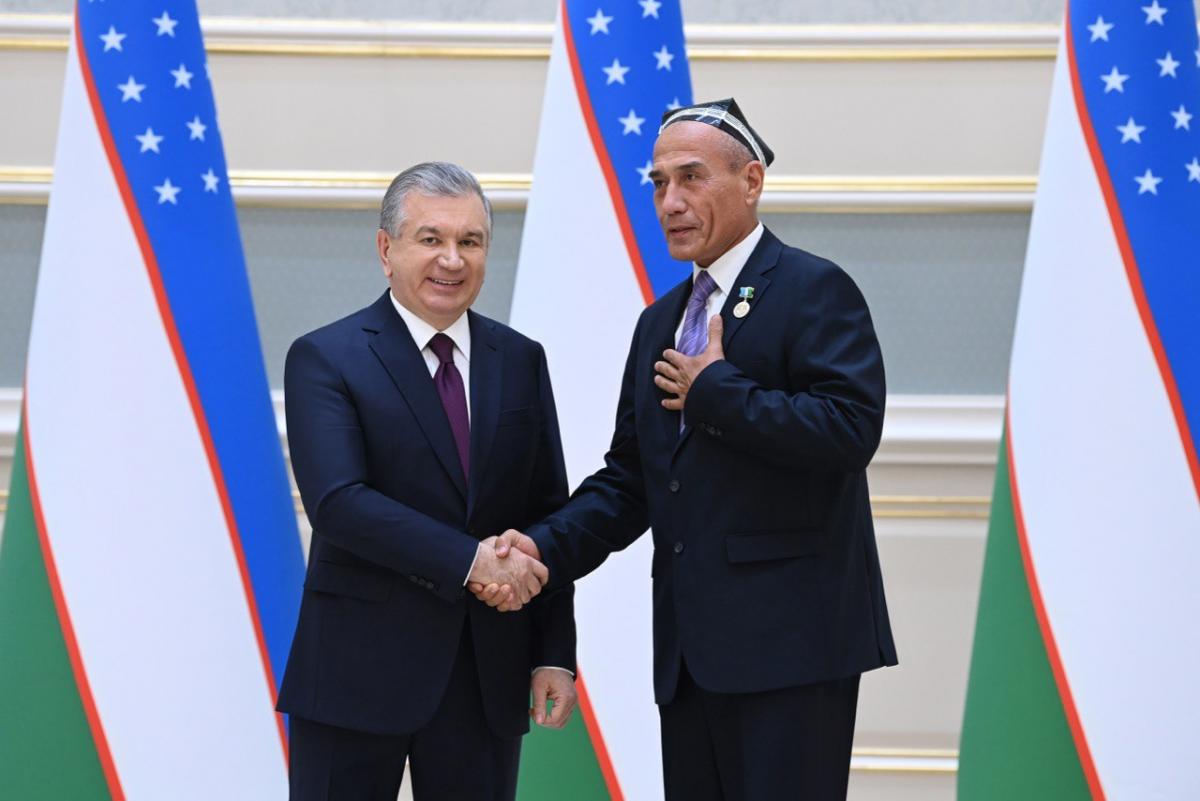
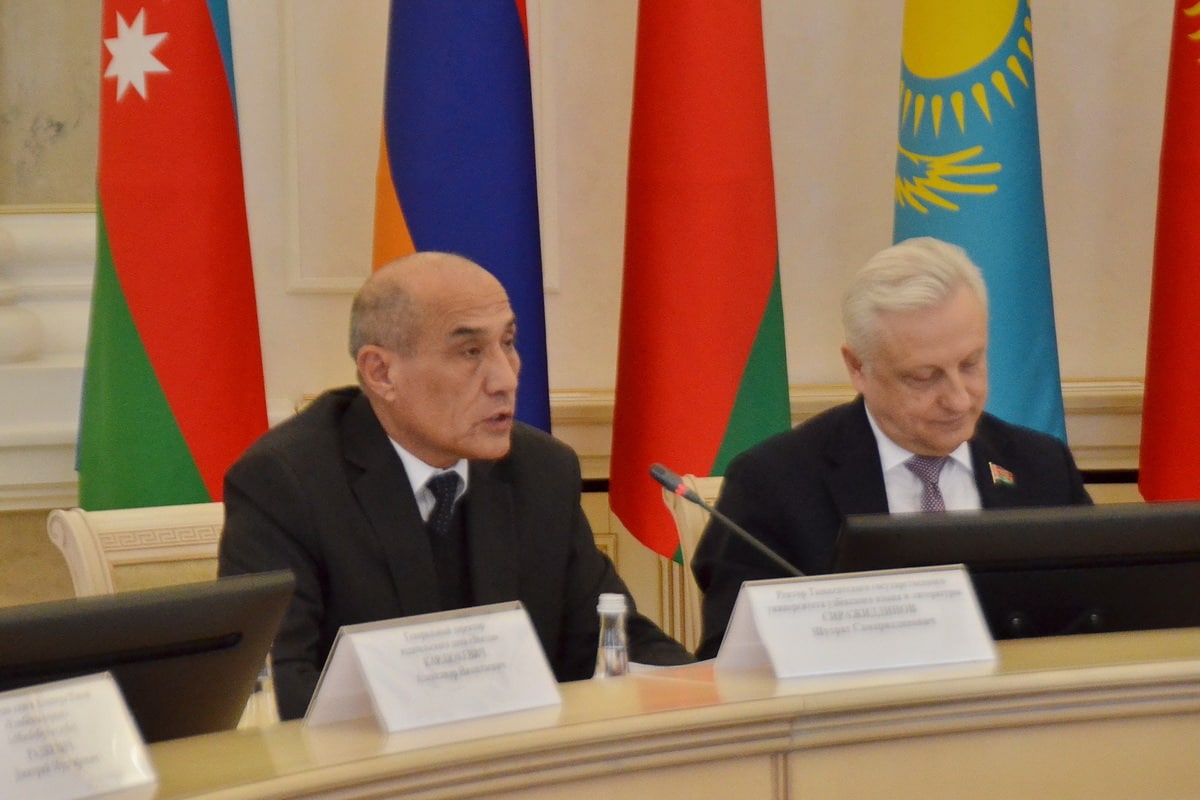
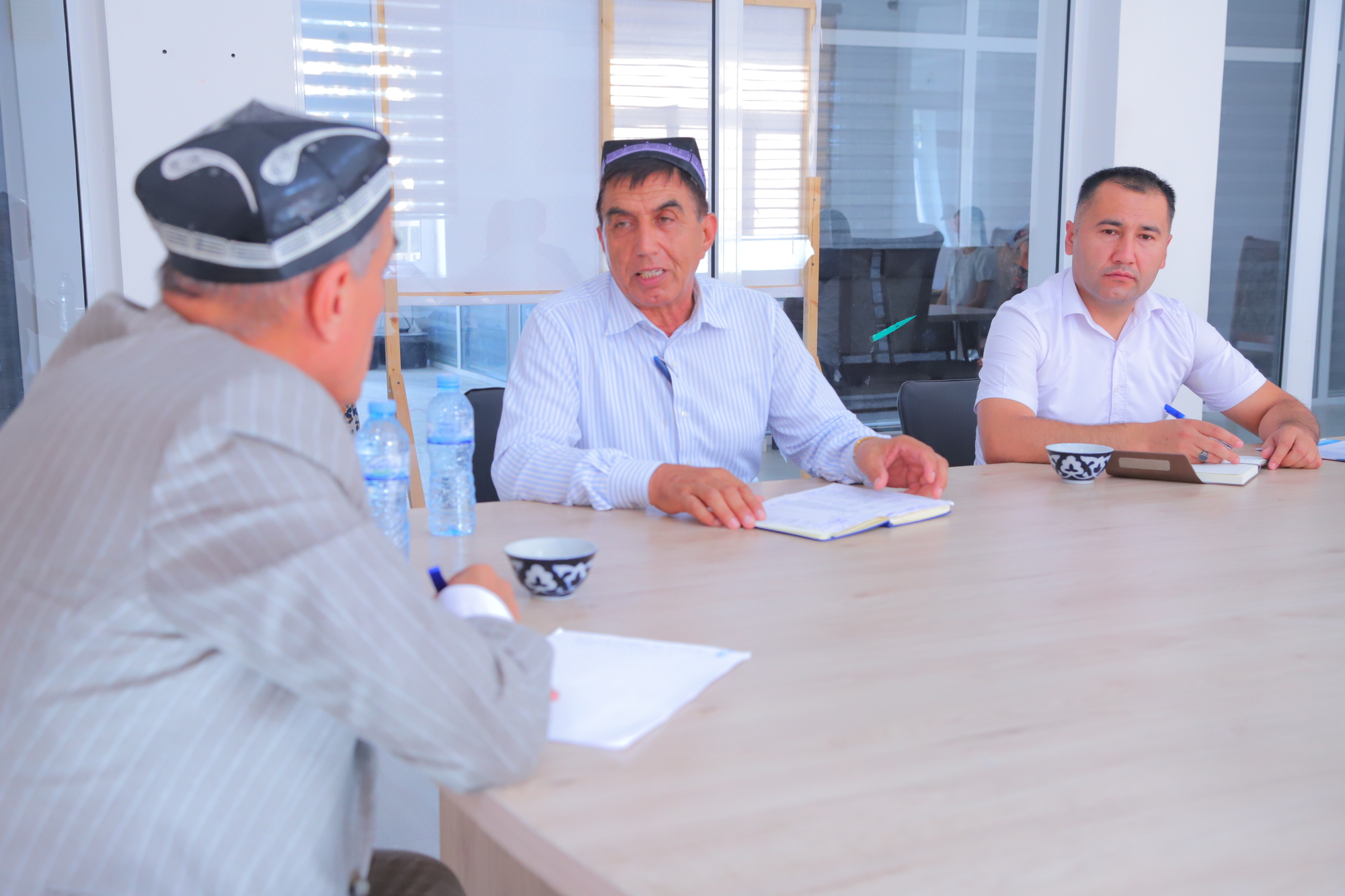
During the drafting phase, Rector–Deputy Sirojiddinov took a leading role in organizing a series of mahalla-level public consultations across Tashkent. These consultations provided critical insights into the everyday experiences of vulnerable groups—especially single mothers, low-income families, unemployed youth, and rural migrants living in the capital. Participants highlighted persistent challenges such as:
• bureaucratic barriers in obtaining certificates,
• a lack of clear information about eligibility requirements,
• inconsistent interpretations of rules across districts,
• long queues and delays in document verification.
Recognizing the importance of these grassroots perspectives, he personally advocated for the incorporation of community feedback into the final parliamentary draft. His intervention resulted in the inclusion of several key provisions:
• A legal requirement for clear public communication of eligibility criteria through online platforms and mahalla offices;
• Mandatory training for frontline social service staff to ensure uniform implementation of procedures;
• Improved oversight mechanisms within the Tashkent City Commission to monitor service delivery and prevent administrative discrimination.
Through this integrated legislative effort, Rector–Deputy Sirojiddinov demonstrated how academic leadership and parliamentary responsibility can jointly drive systemic social reform. His contributions strengthened the national framework for poverty reduction, enhanced transparency in social protection services, and significantly expanded access to timely financial assistance for Uzbekistan’s most vulnerable citizens.
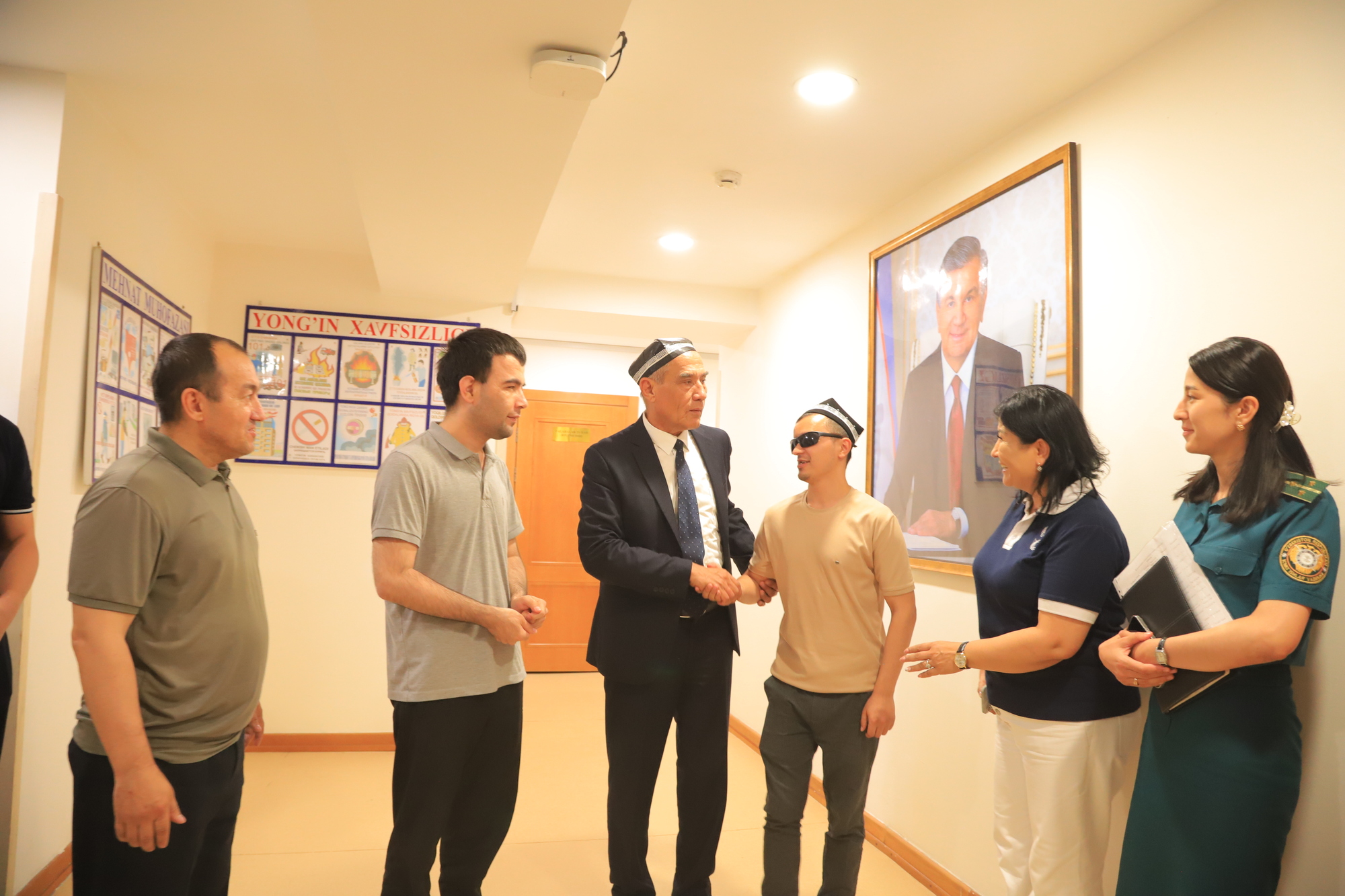
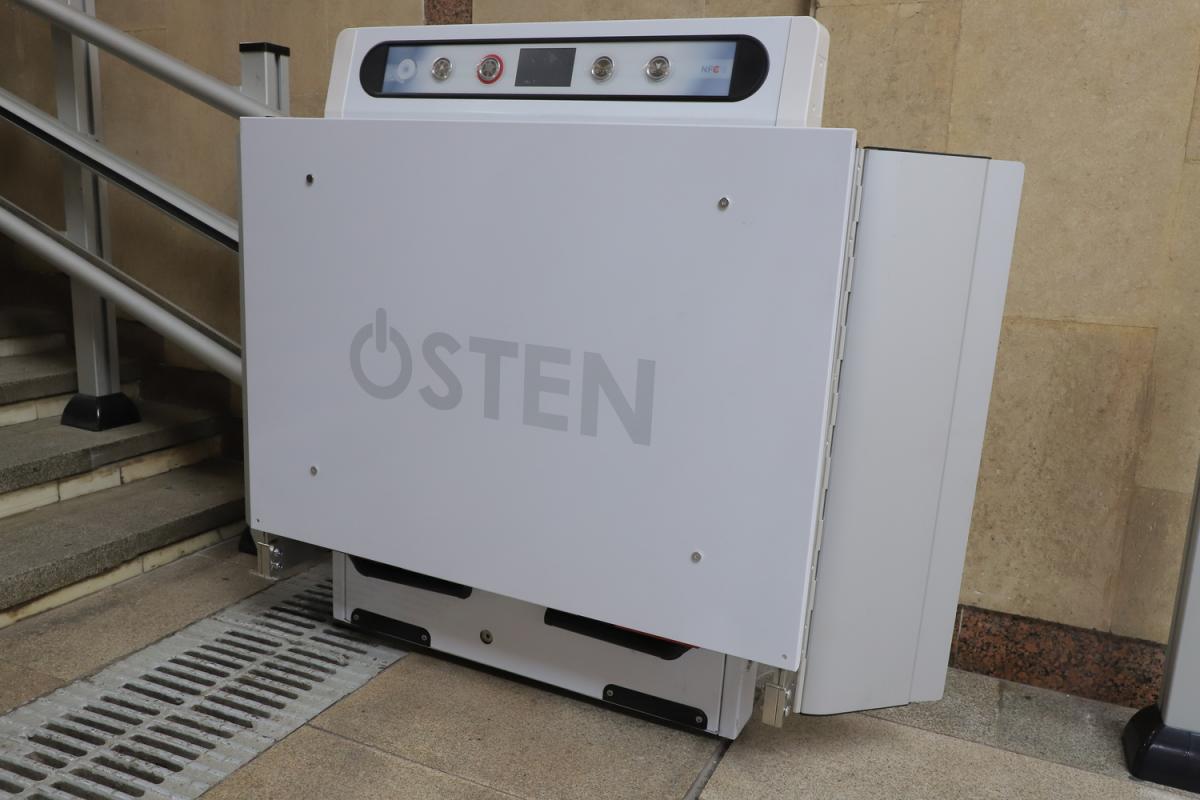
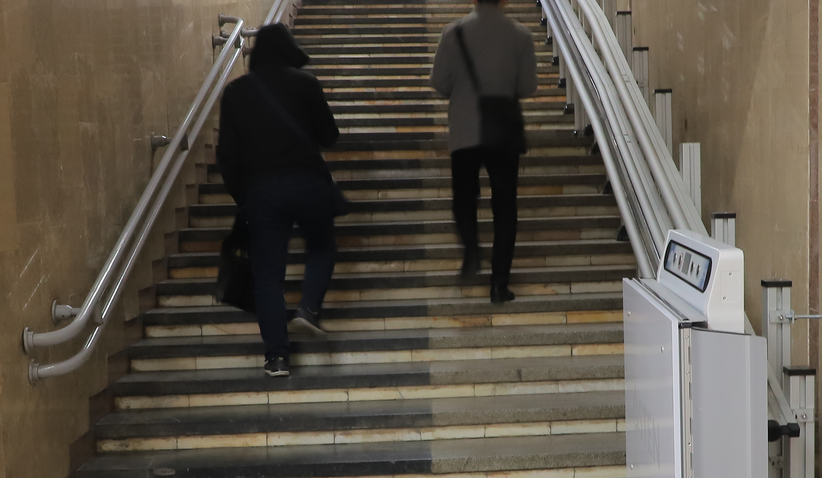
Inclusive Urban Infrastructure Initiative The project focused on five low-income mahallas where elderly residents, people with disabilities and single mothers face mobility barriers. Through joint inspections and community consultations, the team identified hazardous underpasses, missing ramps, uneven pavements and limited public transport connectivity that restricted access to essential services. The initiative highlights how the Rector–Deputy’s leadership integrates policy-making, academic expertise and community needs, contributing to a more accessible urban environment and promoting socially oriented, evidence-based municipal governance. |
|