Digital Skills for Access to Basic Services


TSUULL’s Digital Skills and Literacy Programs aim to provide equitable access to essential technological competencies for community members, empowering them to participate confidently in an increasingly digital world. As a long-term, ongoing initiative, the program is specifically designed to reduce digital inequality and support vulnerable populations residing in neighborhoods surrounding the University. By focusing on youth, women, senior citizens, and low-income families, the program ensures that those most at risk of exclusion gain the skills needed for education, employment, and daily life.
Program Objectives
The initiative seeks to:
•  strengthen digital inclusion among socially vulnerable and economically disadvantaged groups;
•  equip participants with practical digital competencies that enhance employability and economic resilience;
•  support lifelong learning by offering accessible training in digital communication, information literacy, and technology use;
•  bridge the generational digital divide, particularly among older adults;
•  contribute to the development of a digitally skilled, informed, and empowered local community.
Core Activities
The program includes three main components:
• Foundational Digital Literacy:
Training in essential computer operations, internet navigation, email communication, digital safety, and secure use of online platforms.
• Vocational and Professional Skills:
Workshops introducing participants to office software, online collaboration tools, digital entrepreneurship, e-commerce, and remote work practices.
• Community Access Projects:
Creating open-access learning hubs and computer labs for individuals who lack digital devices or internet connectivity at home, providing hands-on experience in a supportive environment.
Participation and Reach
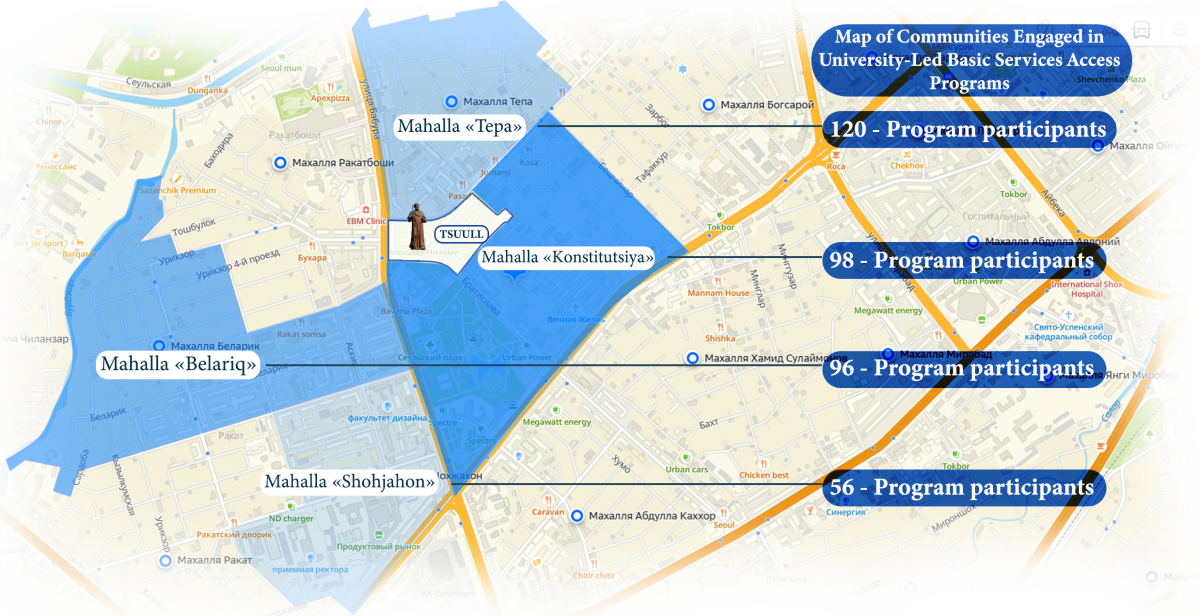
To date, a total of 370 community members have taken part in this permanent program. Most participants were:
•  representatives of the older generation;
•  socially vulnerable individuals;
•  residents from low-income households living in close proximity to the University.


    Digital Empowerment Pathfinders
    with a special focus on women facing socio-economic hardship
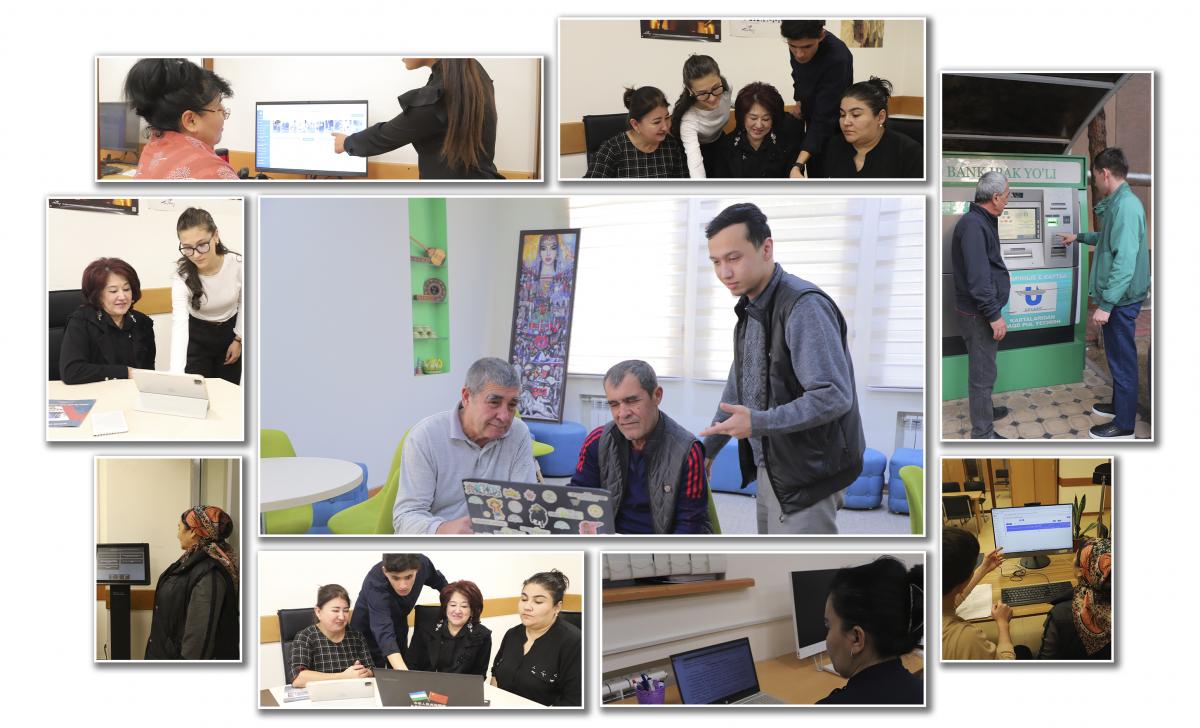
     

    This group consisted predominantly of women who had long been excluded from educational, economic, and social opportunities. Many participants came from low-income or unstable family environments, including:
    •  women with limited or no access to formal education;
    •  women from dysfunctional or disadvantaged households;
    •  divorced women without financial support;
    •  survivors of domestic violence seeking stability and autonomy;
    •  single mothers responsible for supporting their families alone;
    •  women who previously had no permanent source of income.
    These circumstances created chronic economic vulnerability, limited opportunities for self-development, and reduced their ability to participate fully in community and professional life.

    How the Program Transformed Their Lives

    The training program was intentionally designed to address these barriers and help participants rebuild confidence, acquire essential skills, and strengthen their economic independence.

    1. Acquisition of Employability and Professional Skills

    Participants learned to prepare résumés, create digital documents, search for job openings, submit online applications, and communicate professionally—skills they had never been able to gain due to restricted educational access.

    These foundational competencies opened real opportunities for employment and income generation.

    2. Development of Remote-Work Competencies

    For women unable to work outside the home due to childcare responsibilities, safety concerns, or mobility limitations, remote-work skills became a transformative tool.

    They learned to use video conferencing systems, cloud tools, and online collaboration platforms, enabling them to participate in freelance, part-time, or flexible remote jobs.

    3. Safe and Independent Use of Digital Financial Tools

    The program helped women confidently and securely manage:

    • Mobile banking apps
    • Digital payments
    • Online transactions
    • Personal financial organization

    For many, this was the first time they were able to control their finances independently and without relying on others.

    4. Access to Online Learning and Self-Development Opportunities

    Participants gained the ability to navigate educational platforms, enroll in online courses, join webinars, and continue developing skills on their own.

    This helped them break out of long-standing cycles of limited access to knowledge.

    5. Improved Confidence, Communication, and Problem-Solving

    Through sustained practice, the women developed the ability to communicate digitally, solve technical problems, and interact effectively with employers and service providers.

    This not only increased their employability but also strengthened their overall sense of capability and self-worth.


    Overall Impact: Independence, Confidence & Financial Stability
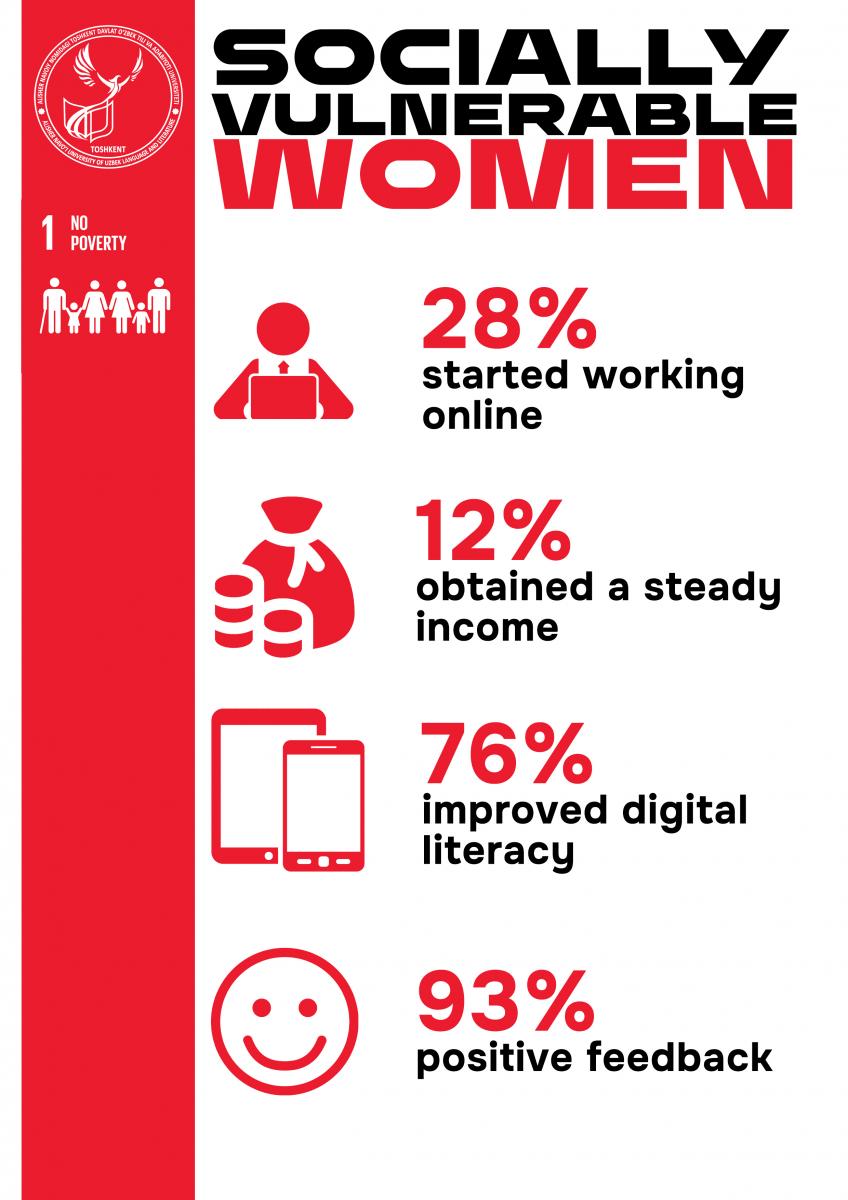
    For women who previously had no stable income, the program became a turning point. As a result of the skills gained:
    •  many participants were able to start earning online,
    •  some obtained their first steady source of income,
    •  others entered freelance work or digital micro-jobs,
    •  nearly all participants reported increased confidence,
    •  and the majority expressed feeling more independent both personally and economically.
    The program not only improved their digital competencies—it helped them regain control over their lives, strengthen their financial resilience, and build a pathway toward long-term economic empowerment.


    Future-Ready Digital Achievers

    with a special focus on youth facing socio-economic hardship
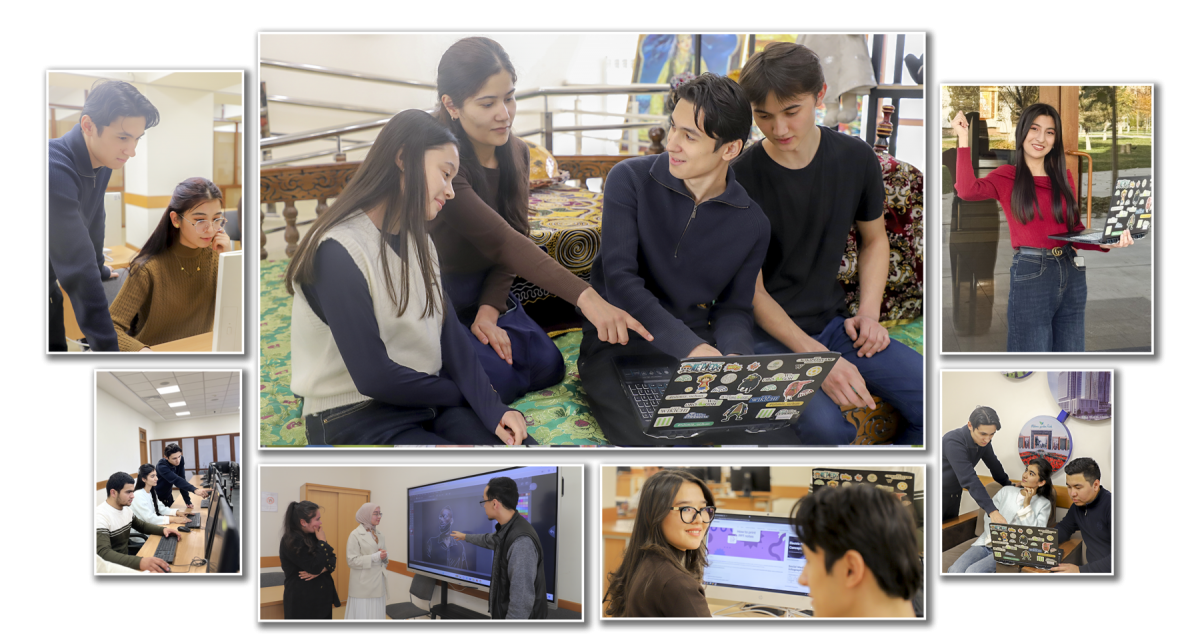
     

    This training track was designed specifically for highly vulnerable youth  
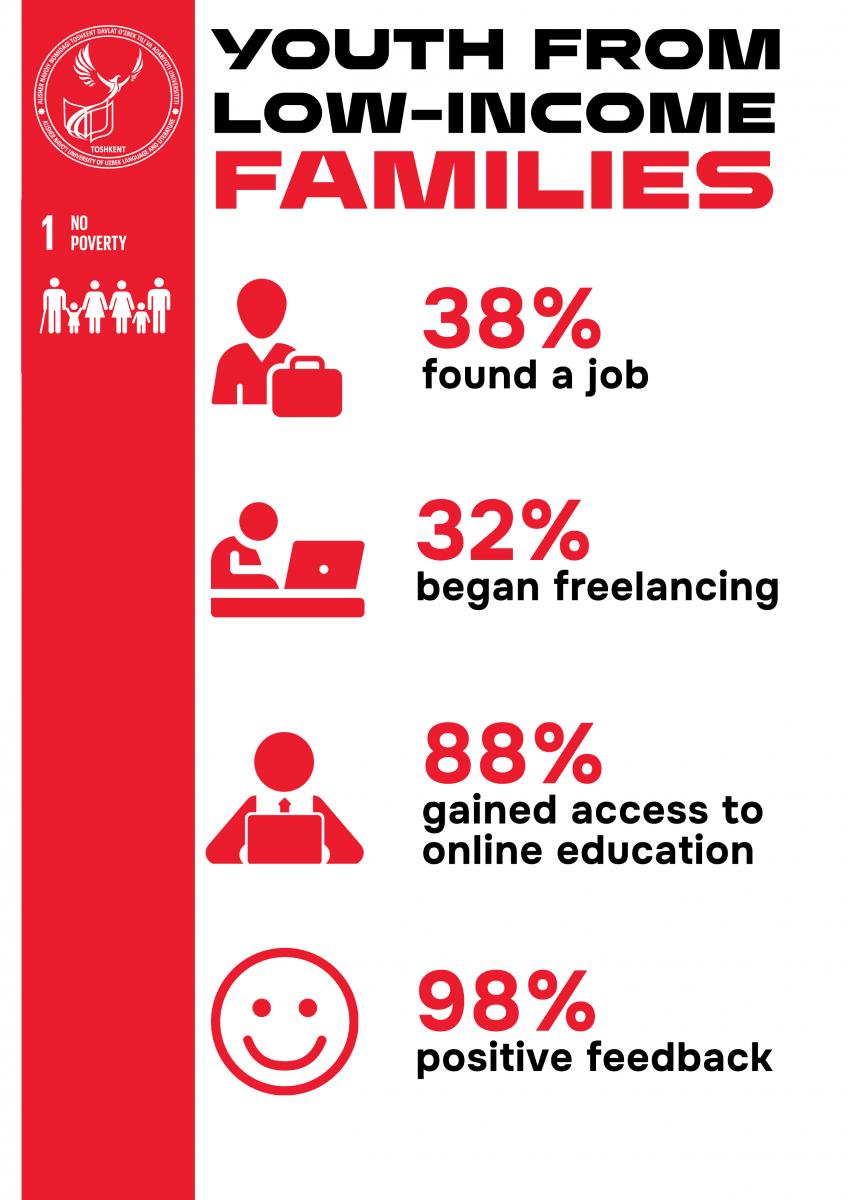
    — young people from low-income and disadvantaged households, single-parent families, and unstable social environments. Some participants had faced significant life challenges, including periods of unemployment, educational gaps, or minor legal issues. A shared factor among almost all of them was the absence of a stable income and limited access to personal or professional development opportunities.
    The program addressed these vulnerabilities by equipping participants with practical, employment-oriented digital skills that could immediately improve their socio-economic prospects. Throughout the training, participants developed:
    •  Foundational and intermediate computer literacy, enabling them to qualify for entry-level jobs and grow into more specialized roles;
    •  Digital entrepreneurship and e-commerce skills, including promoting products online, managing social-media pages, and operating small micro-businesses;
    •  Remote-work competencies, such as using online collaboration tools, video conferencing platforms, and basic digital project management;
    •  Job-readiness skills — CV writing, preparing digital portfolios, completing online applications, navigating job-search websites, and engaging in professional communication;
    •  Access-to-education skills, enabling them to find scholarships, enroll in online courses, and pursue technical or vocational training;
    •  Digital life-management abilities, including online payments, access to government benefits, and digital documentation processes.
    These competencies significantly strengthened their ability to secure sustainable incomes, pursue education, and participate confidently in the digital economy. Many participants reported increased motivation, self-confidence, and a sense of having a real pathway toward stable adult life.


    Digital Confidence Builders

    with a special focus on socially and economically vulnerable older adults


    TSUULL’s Digital Skills and Literacy Program not only reduces the digital divide for senior community members but also provides structured support that enables them to participate in financially and socially sustainable initiatives. While older adults are not typically the primary group for business start-ups, the program equips them with foundational competencies that directly contribute to economic resilience, financial independence, and improved community participation.
    How the Program Supports Financially & Socially Sustainable Development
    Through tailored digital education, TSUULL helps senior citizens:
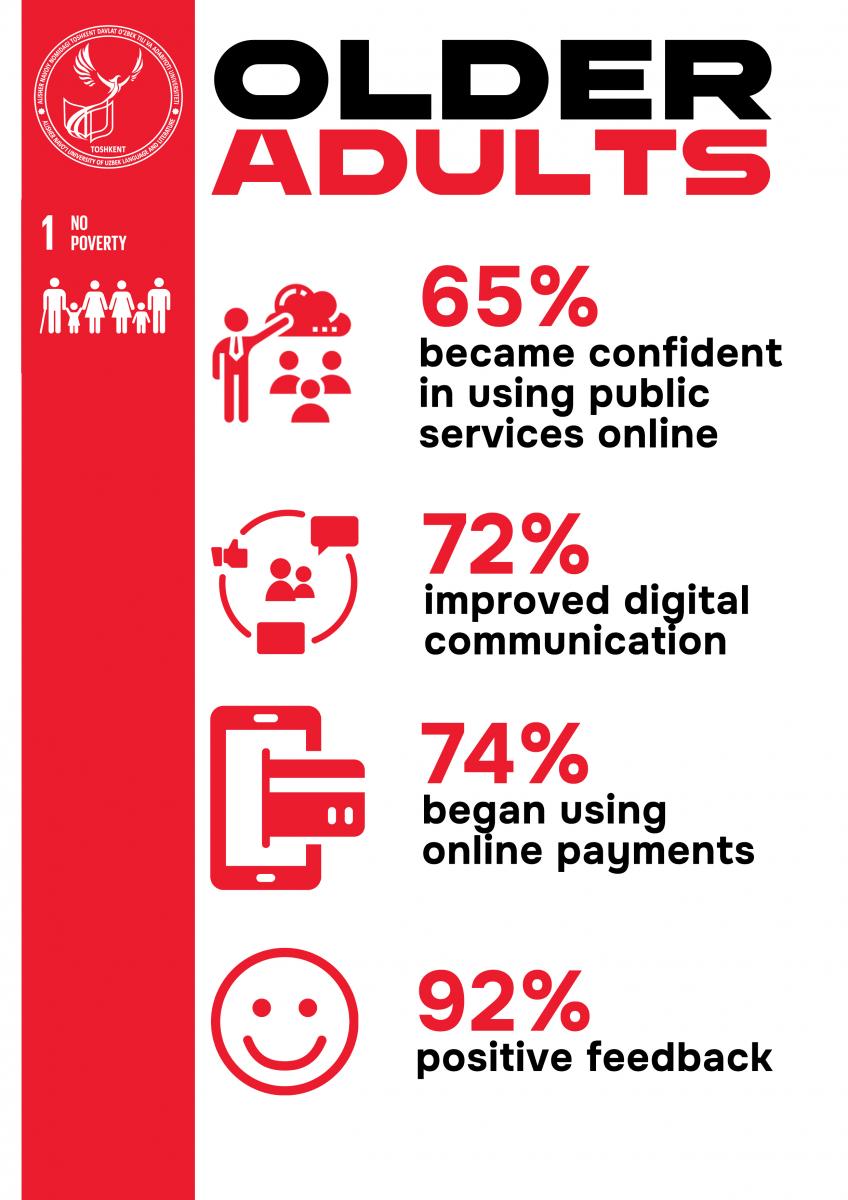
    •  Gain essential digital operational skills (smartphones, computers, tablets), enabling them to independently manage communication and online activities relevant to personal and small-scale business tasks.
    •  Develop digital communication competencies (email, messaging apps, video calls), which are crucial for engaging with service providers, family members, community organizations, and potential support networks for micro-entrepreneurial initiatives.
    •  Access online public services such as medical portals, pension information, utility payments, and municipal services—skills that significantly reduce time and financial burdens and help them participate more fully in local economic life.
    •  Enhance online security awareness, including password protection, scam avoidance, and detection of misinformation—critical elements for safely navigating digital environments and protecting personal finances.
    •  Build digital financial literacy, such as operating ATMs, using online banking tools, making secure digital payments, and managing personal transactions.
    Outcome
    Although the older generation is not traditionally the main target for entrepreneurial programs, the skills they developed form the foundation for financial sustainability, improved decision-making, and potential engagement in micro-enterprises or family-run businesses.
    These outcomes demonstrate TSUULL’s commitment to supporting local communities not only through education but also through inclusive, socially responsible capacity-building initiatives aligned with long-term sustainable development goals.
    Contribution to Sustainable Micro-Entrepreneurship and Community Empowerment
    By gaining these skills, older adults:
    •  Increase their economic independence, enabling them to manage household finances more effectively and reduce reliance on intermediaries.
    •  Acquire competencies that can support small-scale income-generating activities, such as online selling, digital communication with customers, or participation in community-based microbusiness projects.
    •  Strengthen their social inclusion, allowing them to stay connected to community organizations, participate in local initiatives, and contribute to collective well-being.
    •  Build confidence to engage in modern digital ecosystems, which is essential for participating in or supporting financially and socially sustainable ventures.
    University-Level Support Mechanisms
    TSUULL, as an institution, provides:
    •  Training workshops tailored to diverse digital needs;
    •  Mentorship-style guidance from instructors, helping older adults apply their new skills in everyday life and small-scale economic activities;
    •  Access to university facilities, including computer labs and open learning hubs, enabling participants to practice digital operations independently;
    •  Community-integrated learning spaces, which foster interaction, collaboration, and knowledge-sharing across generations.


    Apply now
    Policy
    Instructors


    Apply now
    Policy
    Instructors


    Apply now
    Policy
    Instructors
     

    Uz