




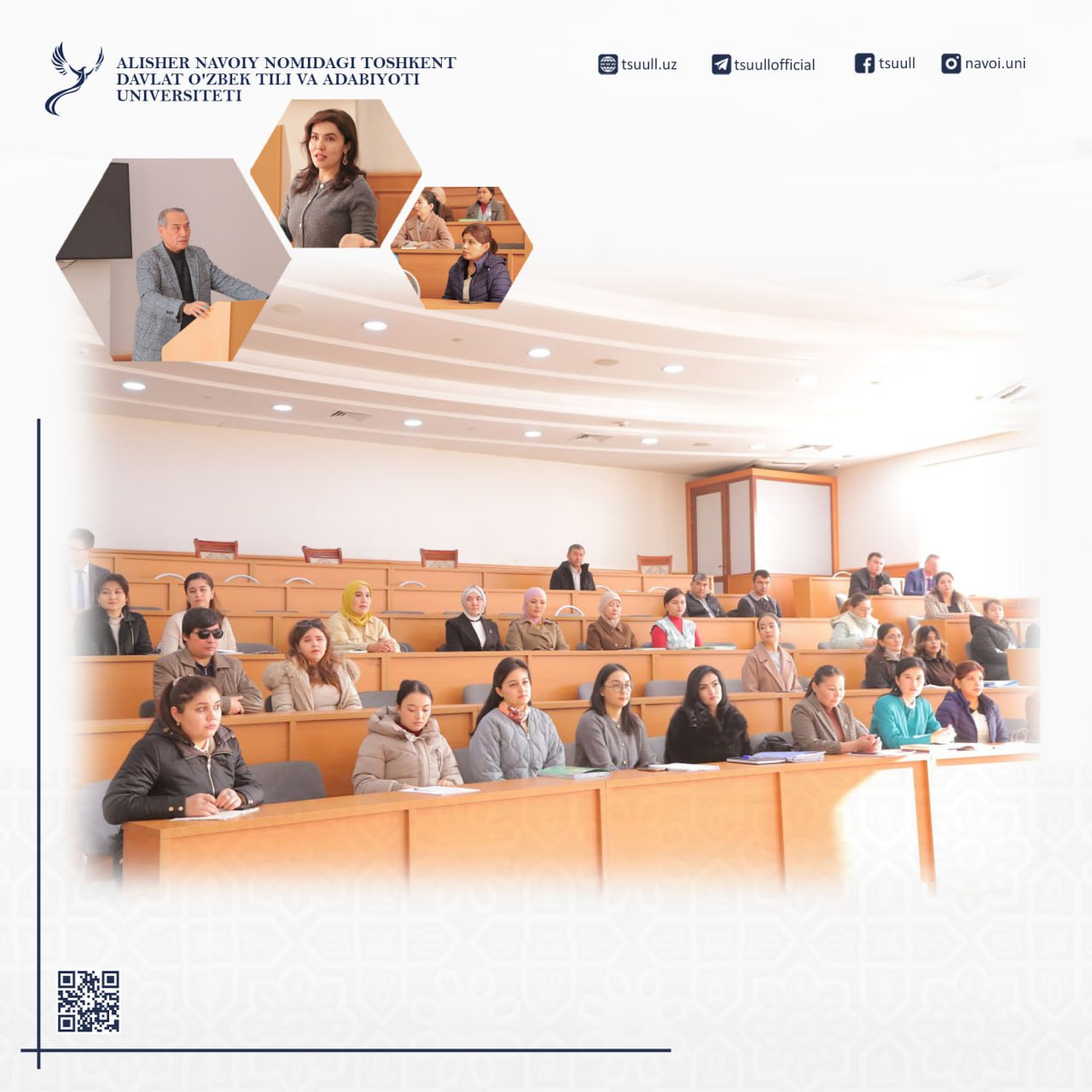
Open Dialogue with Doctoral Researchers
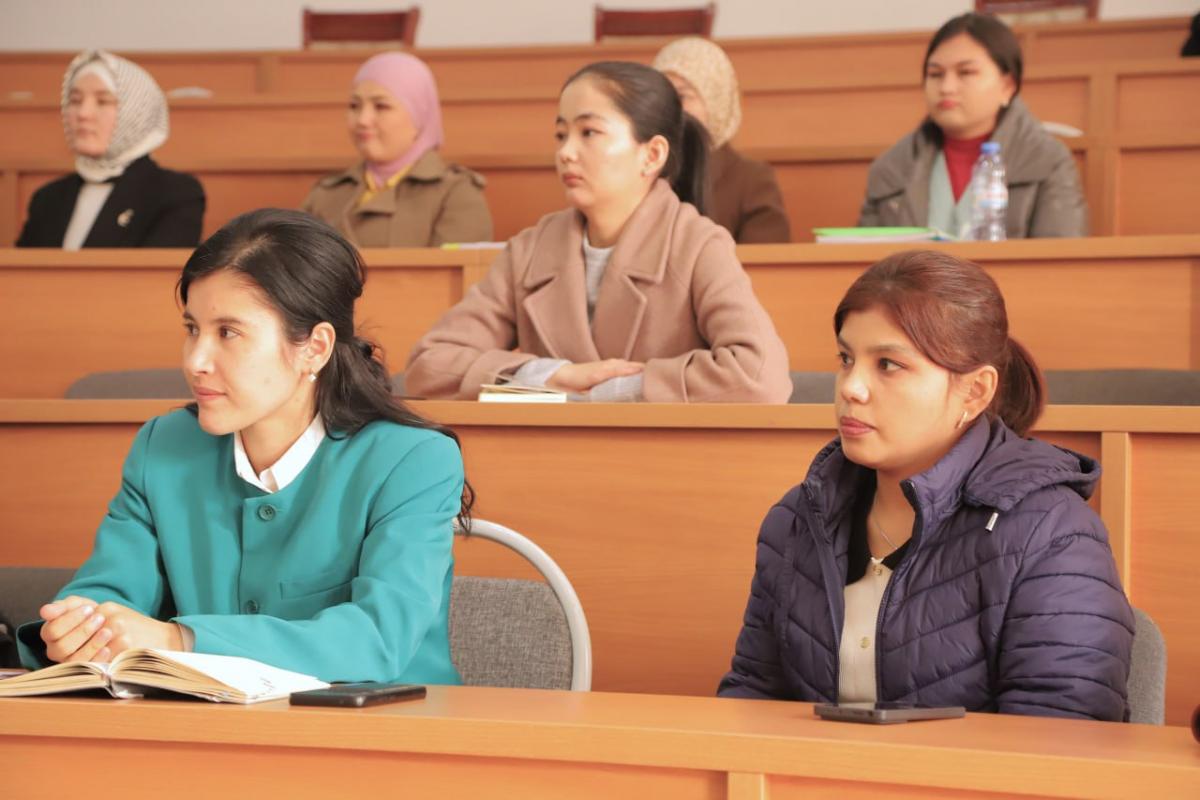
On 20 January 2026, the university organised an open dialogue with 57 newly admitted researchers enrolled in PhD, doctoral, and independent research programmes. The meeting was attended by Rector, Academician Shuhrat Sirojiddinov, and Vice-Rector for Research and Innovation, Professor Nozliya Normurodova.
The discussion focused on the requirements of postgraduate education, its legal and regulatory framework, and the rights and responsibilities of doctoral and independent researchers. University representatives explained the procedures for developing individual research plans, submitting research outputs within established deadlines, publishing academic articles, and completing dissertation milestones. Participants were also informed about institutional procedures and potential disciplinary or administrative measures in cases of non-compliance with academic requirements.
Particular attention was given to the University's research monitoring system, which evaluates doctoral researchers' progress based on the implementation of individual research plans, academic publications, participation in scientific conferences, and supervisors' assessments. The monitoring process was presented as a mechanism for identifying research challenges, reviewing academic progress, and addressing shortcomings in a timely manner.
During the meeting, participants were informed about plans to organise theoretical training sessions on fundamental research in early February. The proposed sessions will cover research methodology, formulation of research problems and hypotheses, development of evidence-based conclusions, academic source analysis, and contemporary research approaches.
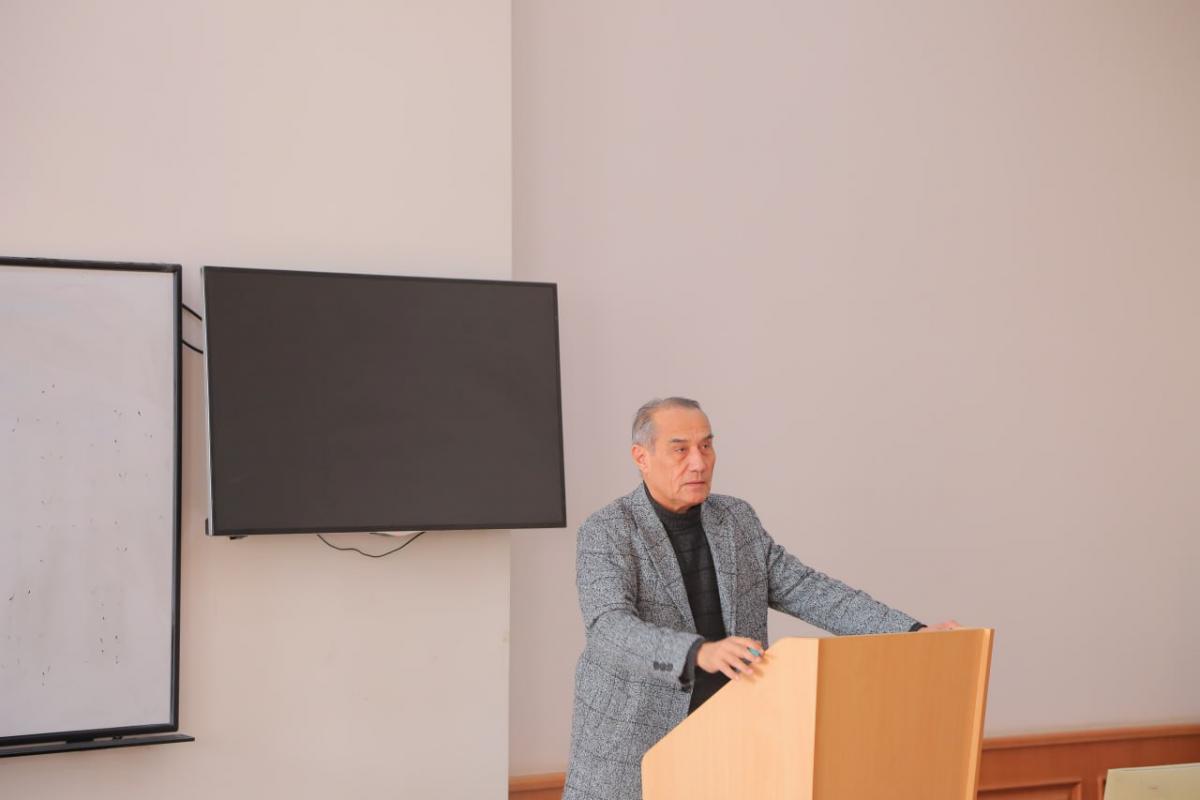
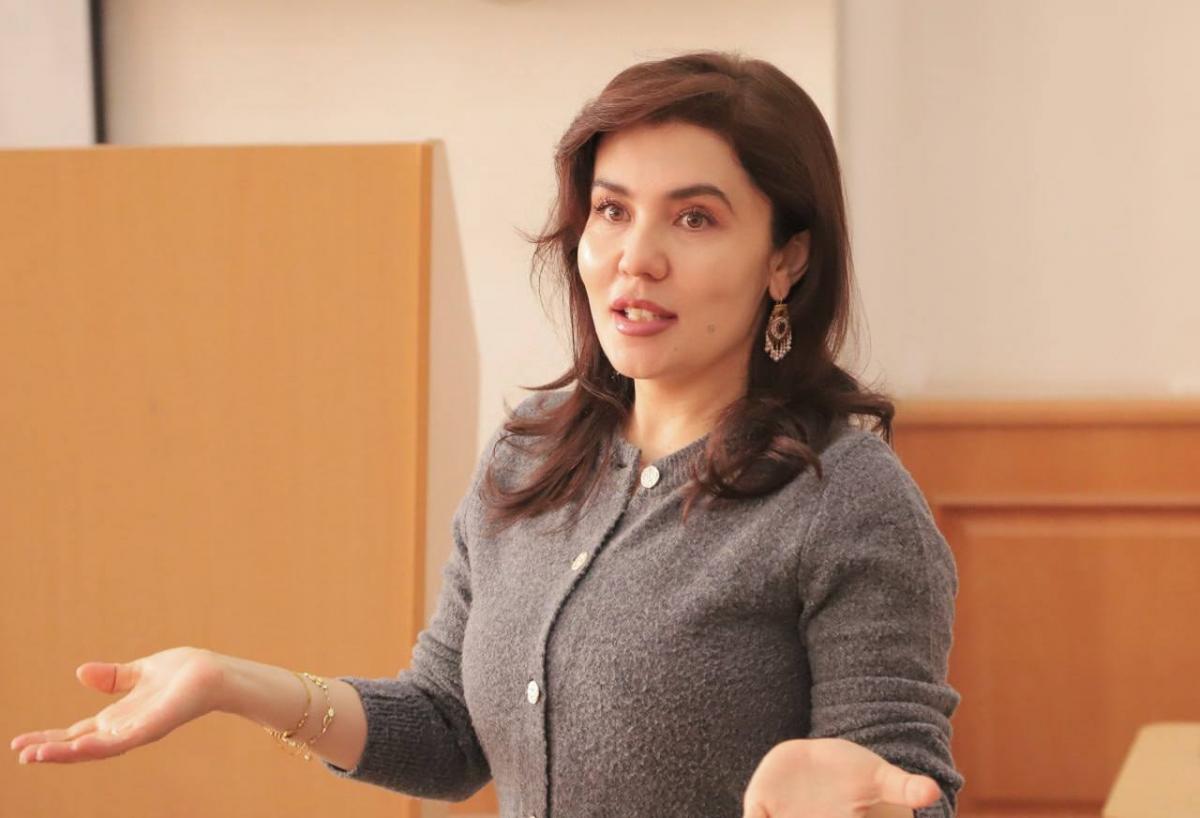
The meeting provided an opportunity for direct communication between newly admitted researchers and university leadership, enabling participants to receive information about academic expectations, research requirements, and institutional support mechanisms.
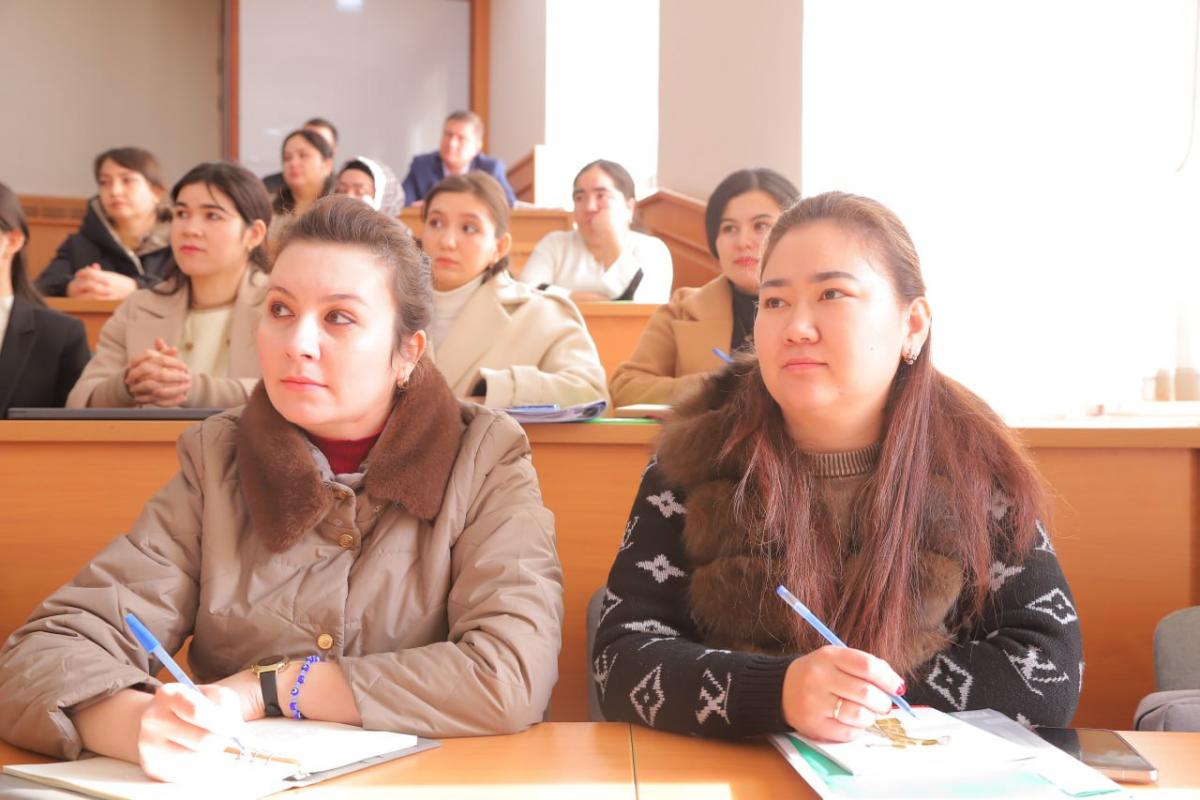
Through this dialogue, the university sought to establish clear communication with its newly admitted researchers, support the systematic organisation of doctoral studies, and strengthen institutional processes for monitoring and improving research quality.