



TSUULL Scholars Promote Cultural Heritage and Values through Community Outreach
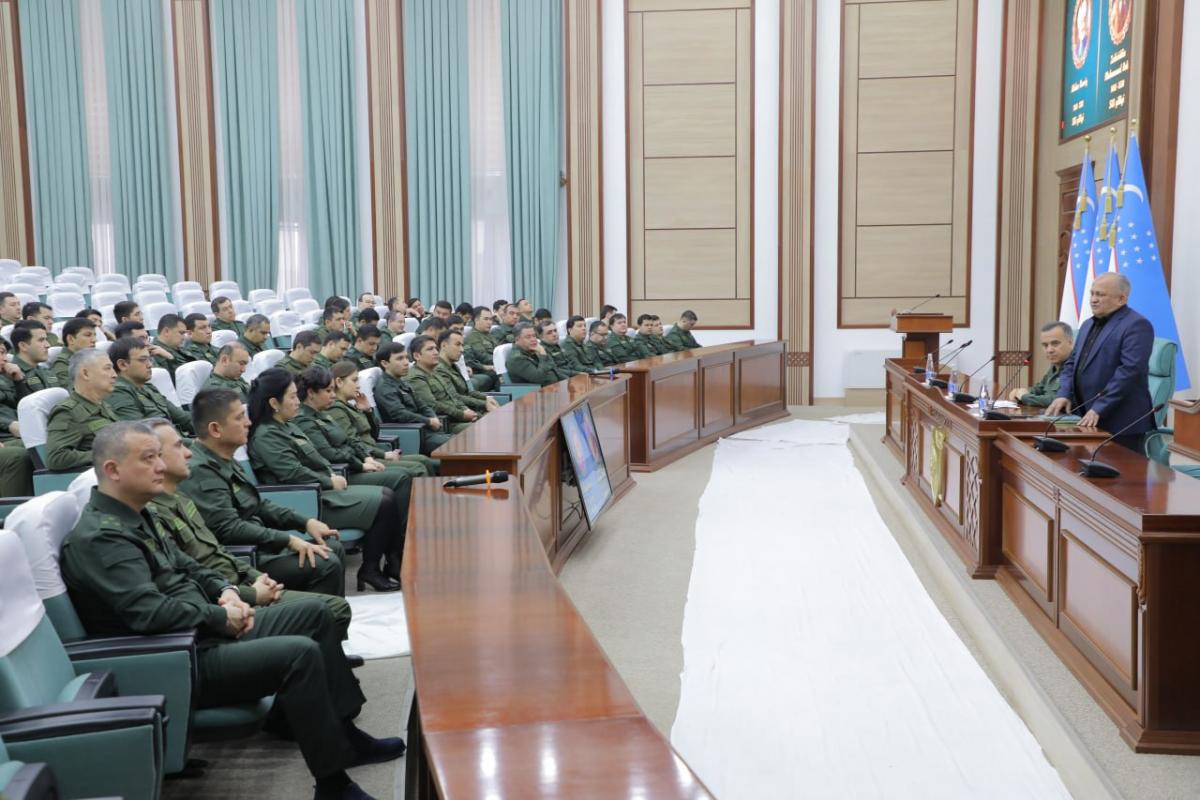
As part of its commitment to community engagement and public education, professors of the university delivered an educational outreach session at the Prosecutor General’s Office of the Republic of Uzbekistan. The event was organised within the framework of the Concept for Organising Spiritual and Educational Activities in Prosecutorial Bodies and aimed to strengthen awareness of Uzbekistan’s literary and cultural heritage and its relevance to contemporary professional and social values.
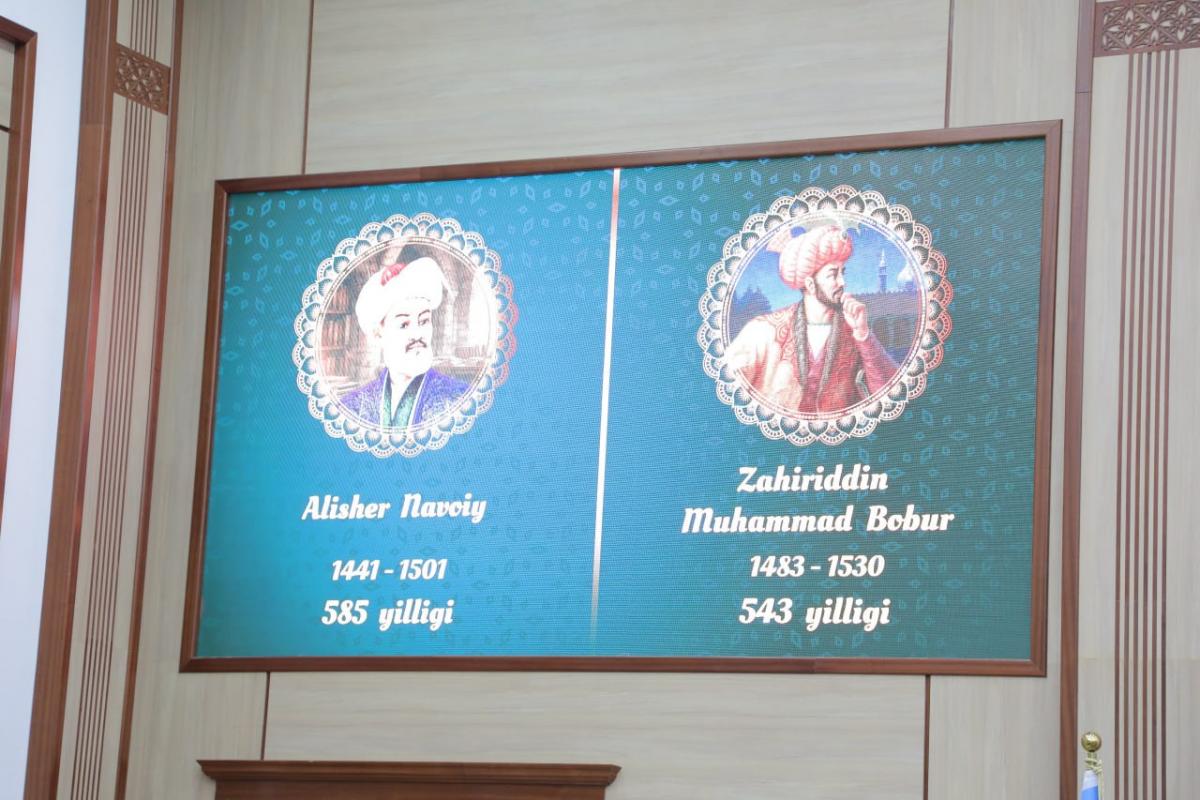
TSUULL professors Uzoq Jo‘raqulov and Zulxumor Xolmanova participated as invited experts, sharing their academic knowledge with professionals outside the university community. The session commemorated the 585th anniversary of Alisher Navo’i and the 543rd anniversary of Zahiriddin Muhammad Bobur, using their literary and intellectual legacies as a platform for public learning and discussion.
Professor Uzoq Jo‘raqulov explored the continuing relevance of Alisher Navo’i’s works to contemporary society. Drawing on Layli and Majnun and Mahbub ul-Qulub, he discussed themes including justice, integrity, humanism, social responsibility, patriotism, and personal development. Through accessible interpretations of Navo’i’s philosophical and ethical ideas, the lecture demonstrated how classical literature can contribute to discussions of professional ethics, responsible citizenship, and individual values beyond the university classroom.
Professor Zulxumor Xolmanova focused on the intellectual and cultural legacy of Zahiriddin Muhammad Bobur. Her presentation highlighted Bobur’s multifaceted role as a statesman, poet, writer, and historical figure, with particular attention to the Baburnama. She explained its importance not only as a literary work but also as a valuable historical source containing geographical, ethnographic, cultural, and political observations. The session therefore introduced participants to the interdisciplinary value of Uzbekistan’s classical literary heritage.
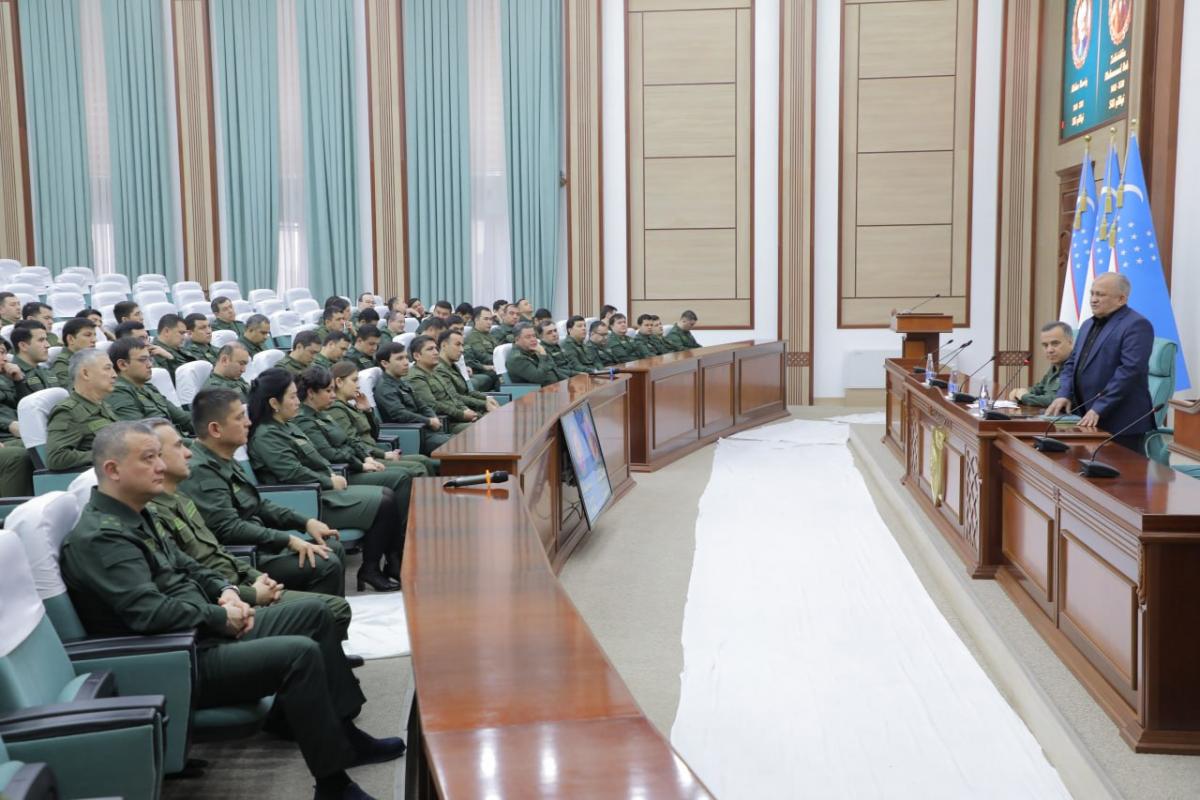
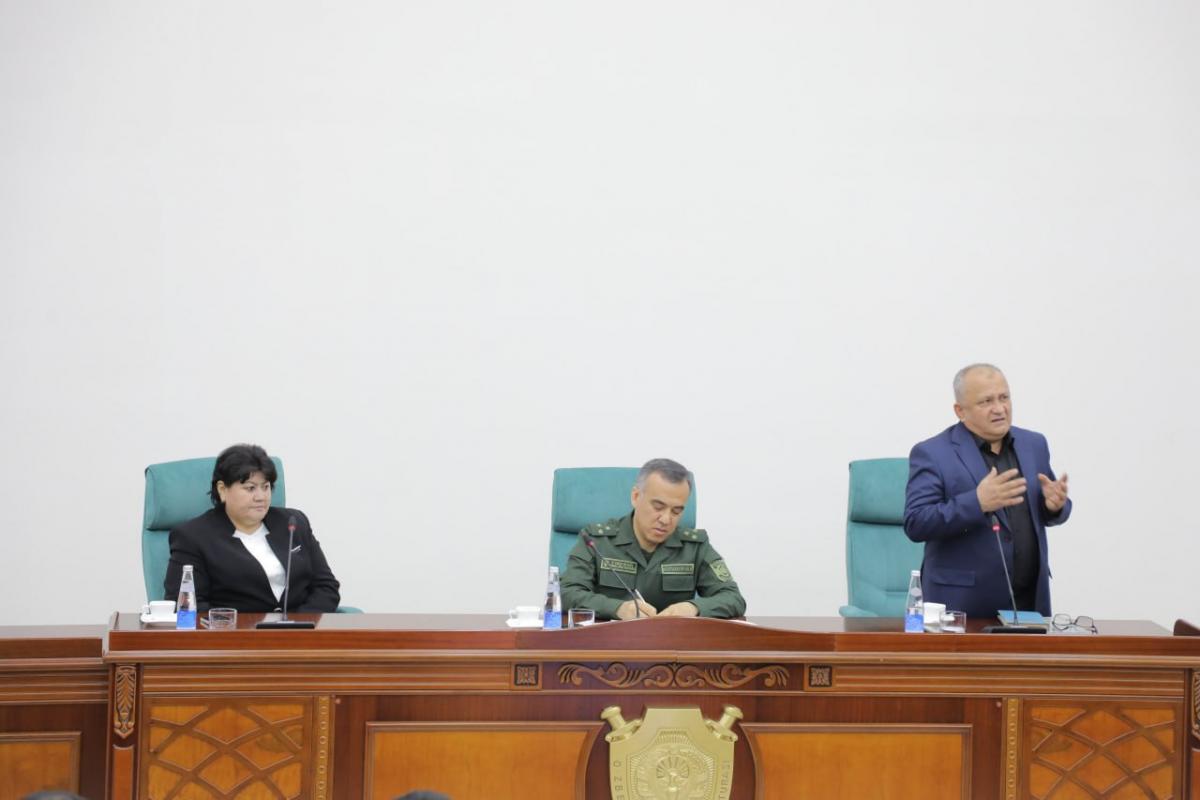
An important component of the outreach activity was direct engagement between university academics and participants. The lectures were followed by an interactive question-and-answer session, enabling participants to discuss issues of particular interest, exchange perspectives with the scholars, and explore the contemporary significance of the ideas presented.
Through initiatives of this kind, TSUULL extends academic expertise beyond the university campus and makes scholarly knowledge accessible to wider professional and community audiences. The activity contributes to lifelong learning, cultural awareness, knowledge exchange, and stronger engagement between higher education institutions and public-sector organisations.
The event also demonstrated how university expertise in language, literature, history, and cultural studies can support broader societal education and contribute to the preservation and promotion of Uzbekistan’s cultural and intellectual heritage.