


TSUULL Provides Professional Training for Tour Guides in Khiva
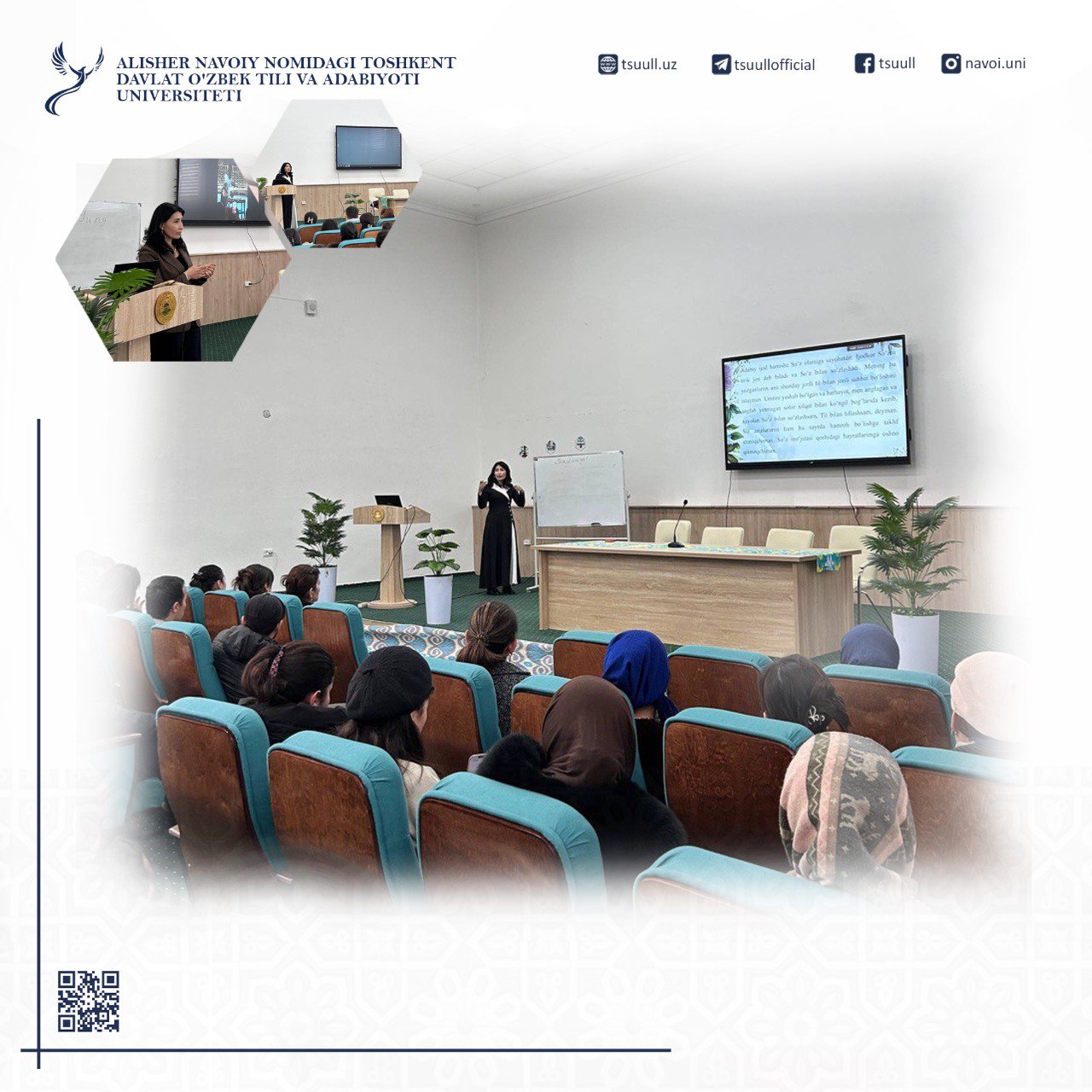
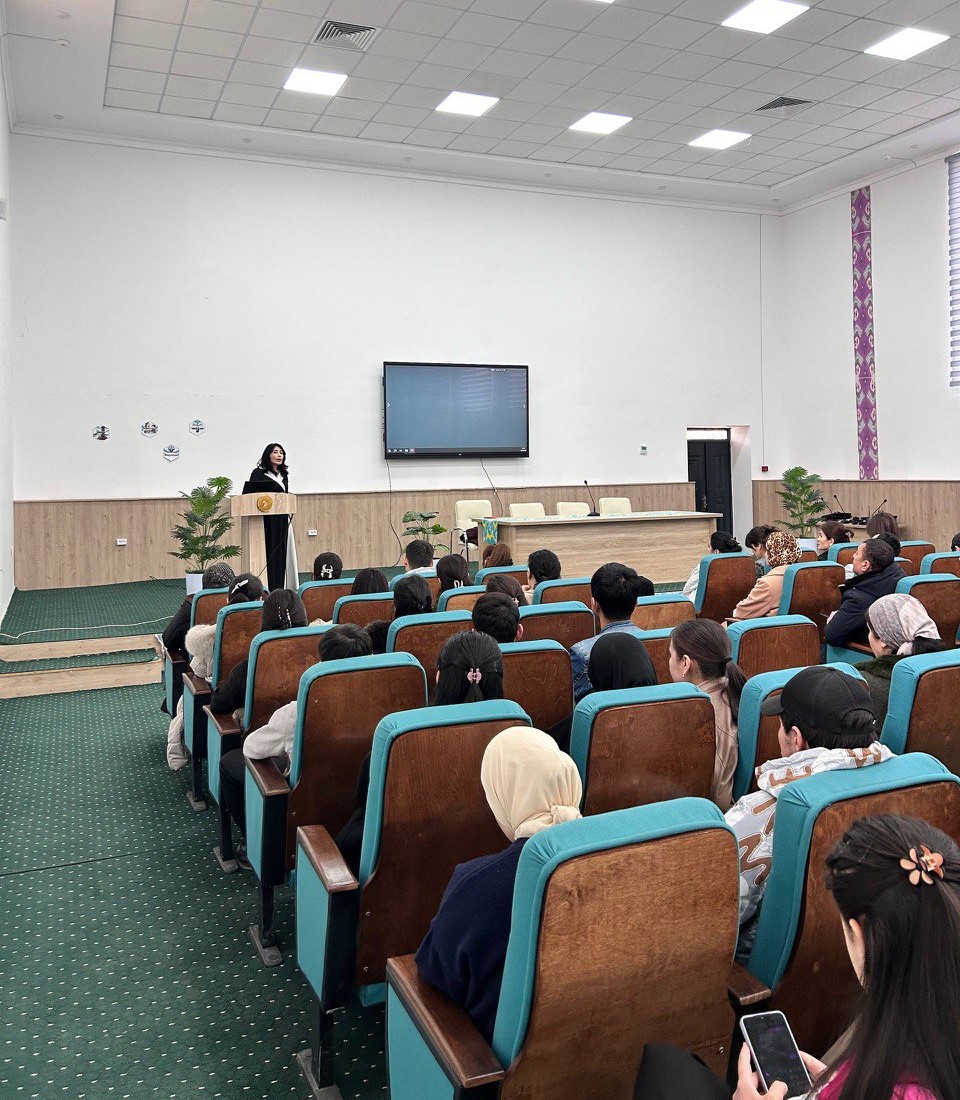
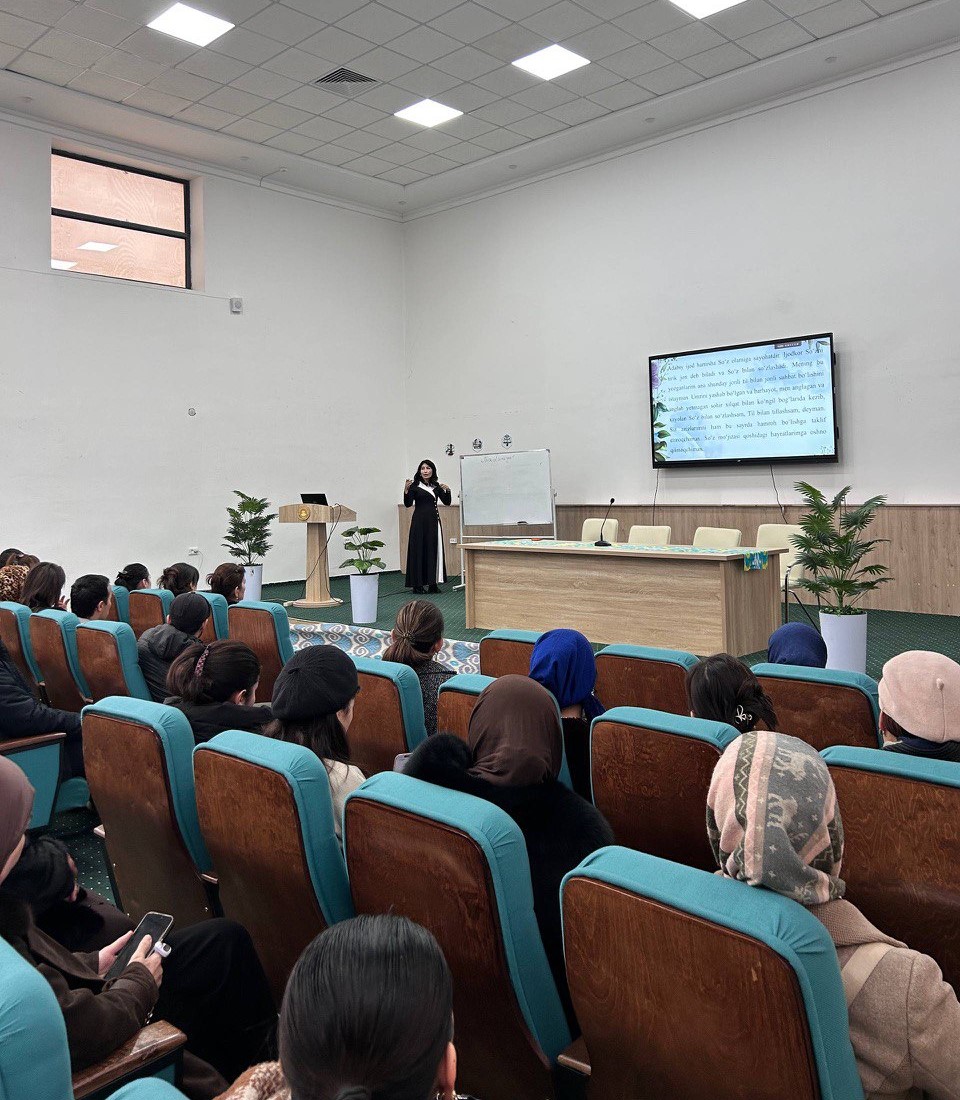
On 25–26 February 2026, TSUULL, in cooperation with the Khorezm Regional Tourism Department, delivered a two-day professional development seminar for tour guides in Khiva. The initiative represents TSUULL’s commitment to community outreach, continuing education, and the practical application of university expertise beyond the campus.
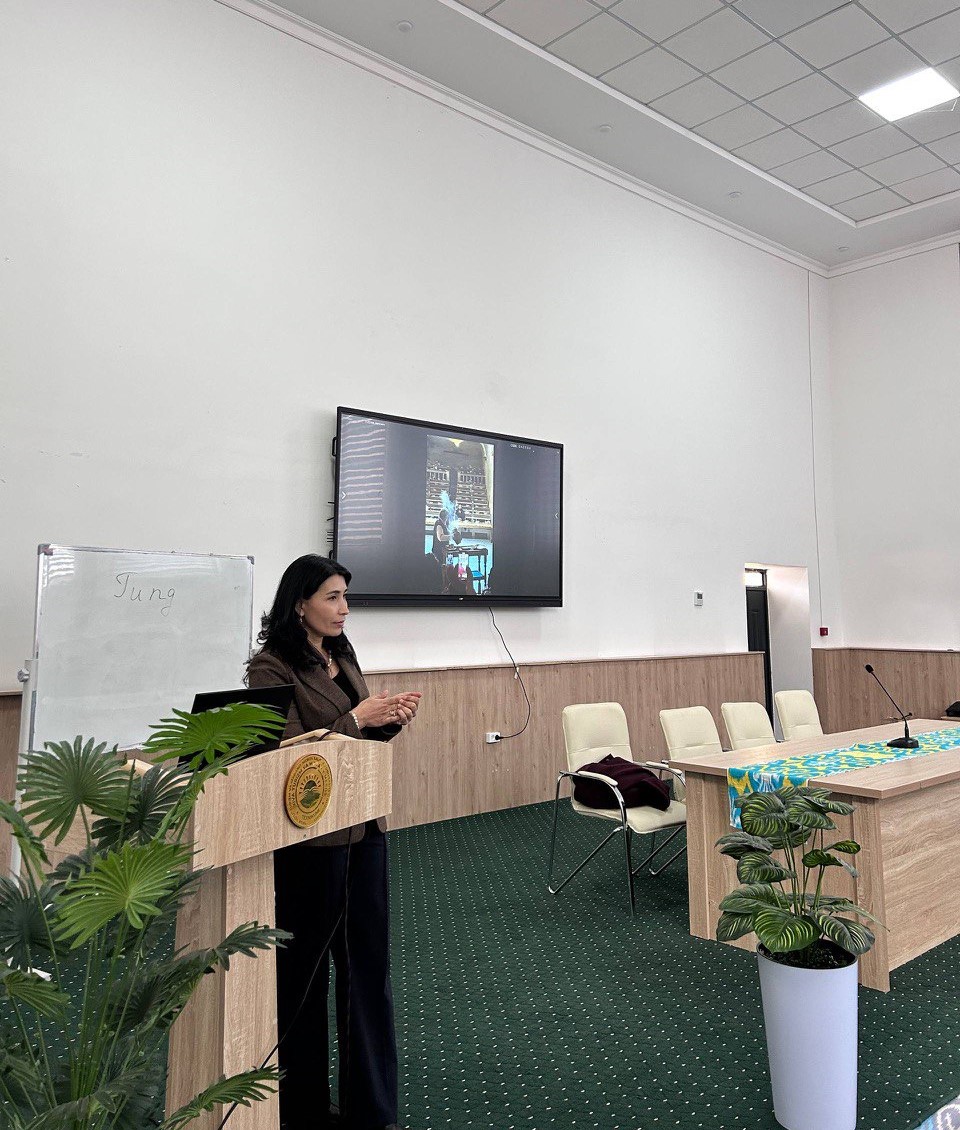
The training was organised at the invitation of the regional tourism authorities and was delivered by M. Shamsiyeva, Associate Professor at TSUULL’s Department of Uzbek Linguistics. Entitled “The Art of Public Speaking and Professional Presentation,” the programme was designed to strengthen the communication and professional competencies of practising tour guides.
The seminar addressed key aspects of professional communication, including speech culture, public-speaking techniques, accurate pronunciation, effective use of voice, audience engagement, and the clear and persuasive presentation of historical and cultural information. Particular attention was given to helping guides communicate Uzbekistan’s cultural heritage effectively to diverse local and international audiences.
Combining academic knowledge with practice-based learning, the programme included both theoretical sessions and hands-on training. Practical activities were conducted in Ichan Kala, Khiva’s historic centre, where participants demonstrated their guiding techniques in an authentic professional environment. Their performance was analysed by the university specialist, who provided individualised recommendations on pronunciation, stylistic accuracy, logical organisation, presentation techniques, and overall communication effectiveness.
The training responded to a practical regional need. As Khorezm continues to receive international tourists, official delegations, and visitors interested in Uzbekistan’s cultural heritage, professionally trained guides play an important role in representing the region, communicating its history accurately, and creating meaningful visitor experiences. Strengthening their linguistic and communication competencies therefore contributes not only to individual professional development but also to the quality and sustainability of the regional tourism sector.
The seminar also provided an opportunity for knowledge transfer between higher education and the local professional community. By making university expertise in linguistics, speech culture, and communication directly accessible to tourism practitioners, TSUULL supported lifelong learning and the development of professional capacity outside formal degree programmes.
The initiative demonstrates effective university–community and university–government collaboration, connecting academic expertise with the practical needs of the regional tourism sector. It also contributes to the promotion of Uzbekistan’s linguistic and cultural heritage by equipping local professionals with the skills required to communicate that heritage accurately, confidently, and effectively to wider audiences.