Policy Framework for Neutral and Respectful Dialogue
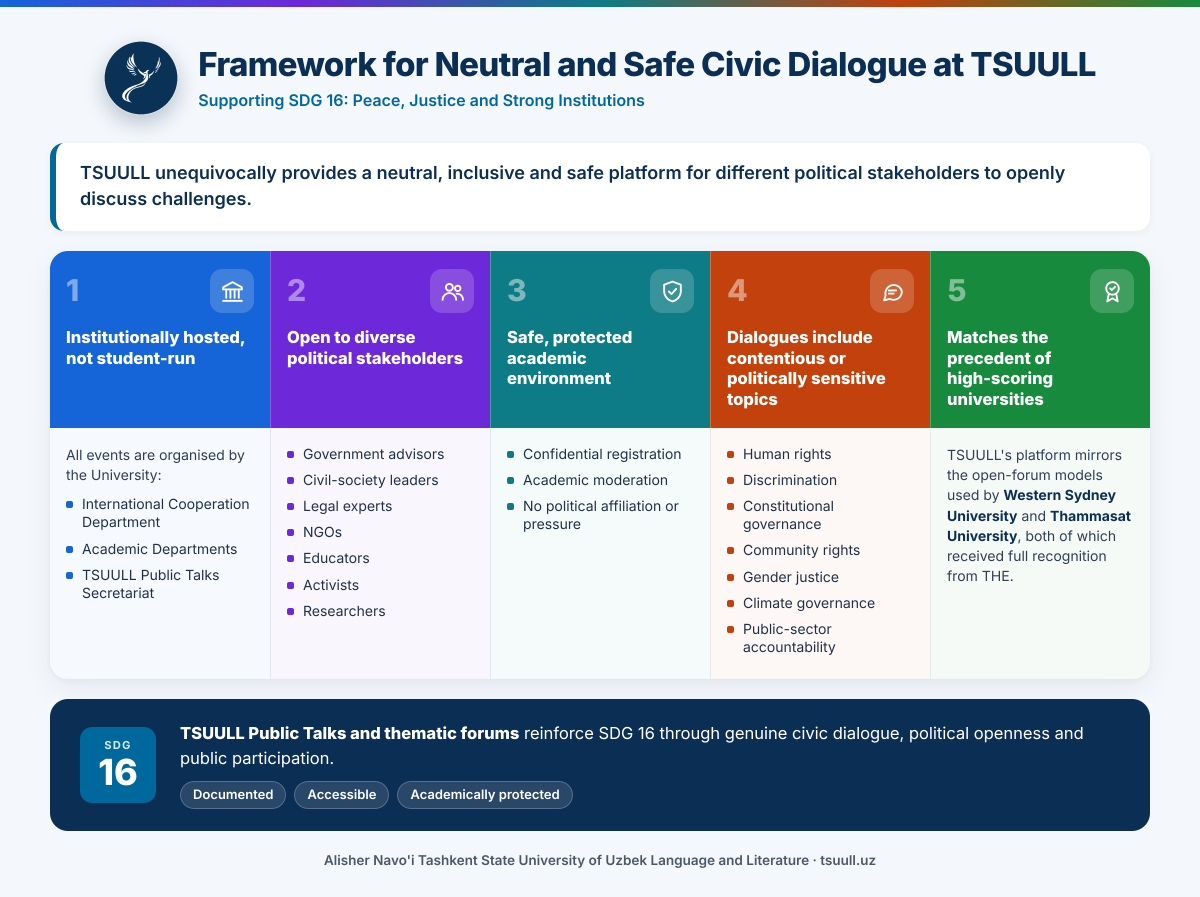
TSUULL provides an institutionally coordinated framework for civic and political dialogue, enabling stakeholders with diverse professional, social and political perspectives to discuss public challenges in an academic setting.
The framework is based on institutional oversight, inclusive participation, academic neutrality, and respectful discussion. University departments coordinate dialogue activities, identify relevant stakeholders and facilitate discussions on governance, human rights, social inequalities and other matters of public concern.
Academic moderation is intended to ensure that participants can express differing perspectives, engage with opposing viewpoints and discuss sensitive issues without political pressure or discrimination. The University acts as a neutral facilitator rather than endorsing particular political positions.
Our approach to dialogue is supported by its Academic Freedom and Freedom of Expression Regulation and Stakeholder Engagement Policy. Section 9 of the Academic Freedom Regulation protects events and external speakers from refusal based on their views, establishes written reasons and appeal procedures for restrictions, and encourages formats allowing questions or opposing perspectives on contested topics.
Section 4, Principle 7 of the Stakeholder Engagement Policy commits the University to a neutral, safe space for dialogue without taking a party-political side. Its consultation procedures establish voluntary participation, consent before recording participants’ names, opportunities for every group to contribute, and publication of summaries and responses. Together, these provisions establish written standards against which the organisation and conduct of university dialogues can be assessed
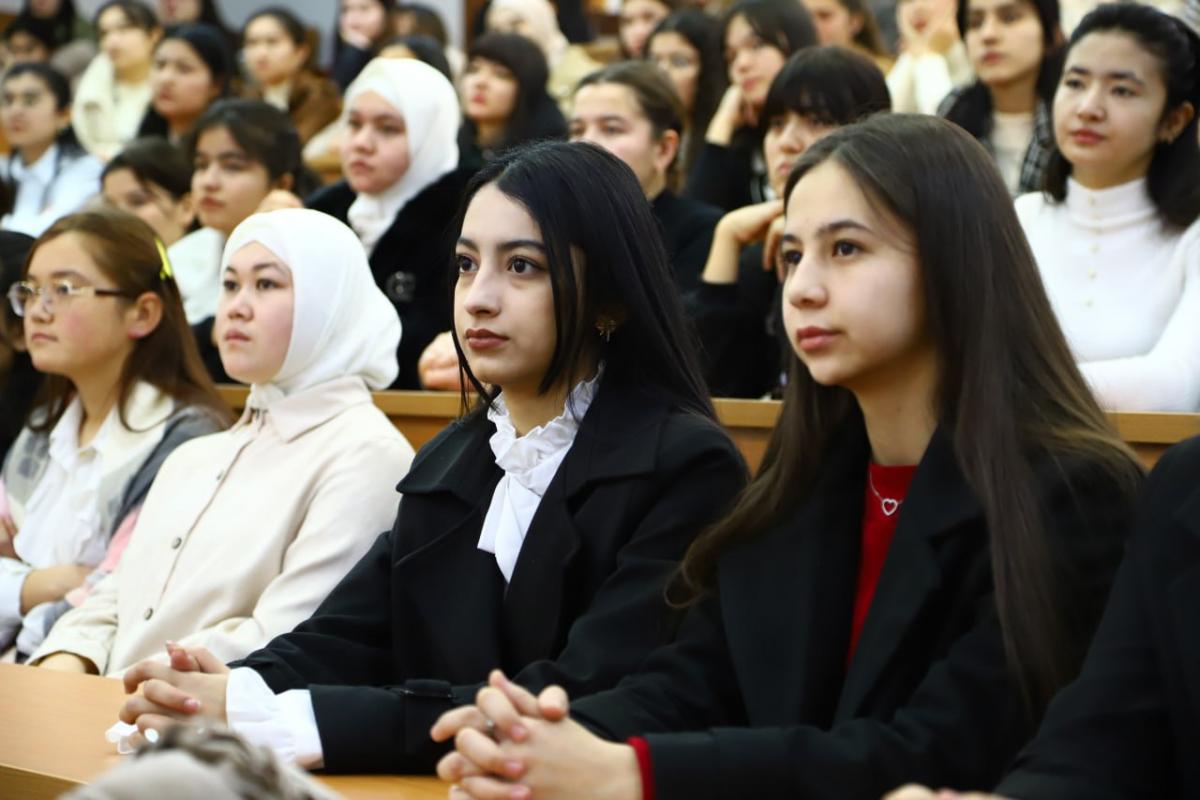
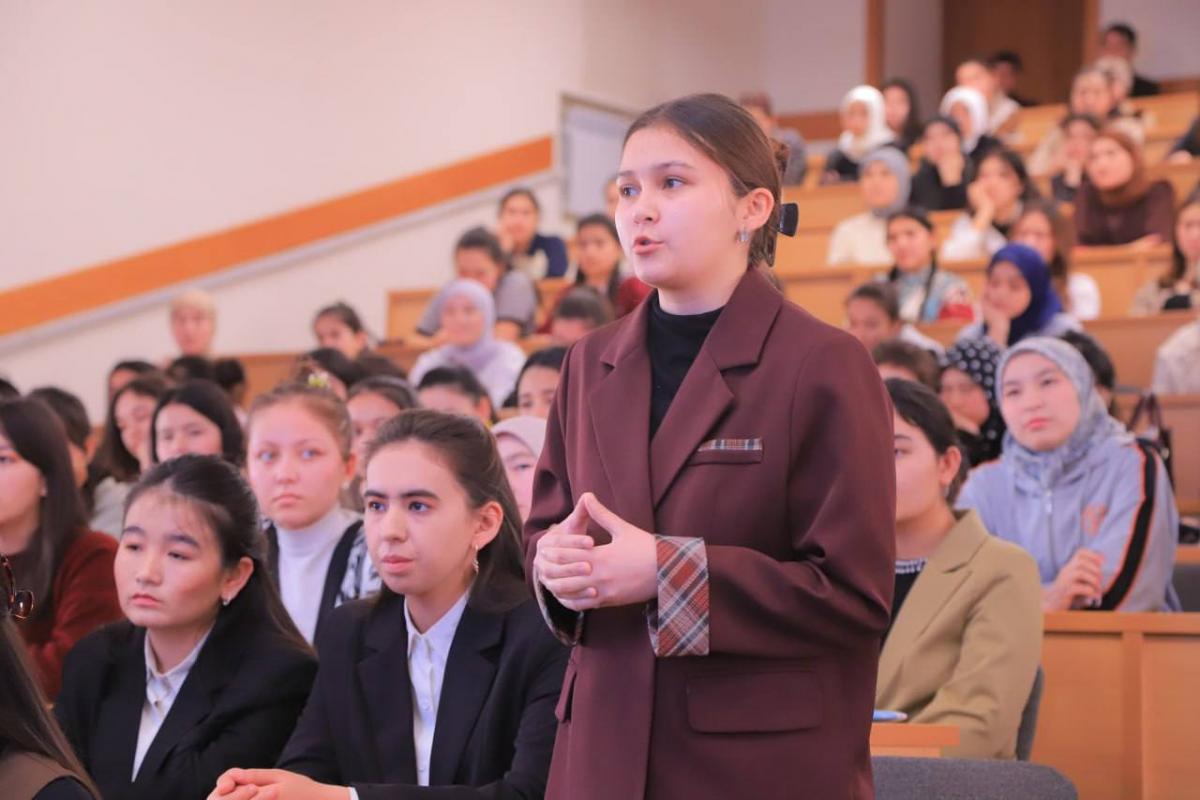
The university also regularly organises open dialogues with studens, doctoral researchers, student leaders, graduates, academic staff, and residents of university dormitories. These discussions take place at departmental and university levels, as well as in cooperation with local government representatives, providing opportunities for direct communication between members of the university community, institutional leadership, and public officials. University representatives listen to these perspectives, provide guidance, and consider proposals for further action and institutional improvement. These dialogues help the university seek to ensure that every voice is heard and valued, including those whose perspectives may otherwise be overlooked.
On 22 April 2025, TSUULL hosted an open dialogue at Yangi Choshtepa, The meeting brought together rector Shuhrat Sirojiddinov, elected representatives, political party representatives, public-service officials and residents. Participants included Otabek Jiyanbayev, a Tashkent City Council member and Chair of the Milliy Tiklanish Democratic Party’s Tashkent City Council; Davron Ravshanbekov, a Tashkent City Council member; and Lee Olesya, Chair of the party’s Yangihayot District Council. Yangihayot District Council members D. Xursandova, B. Mirzoqulov, N. Shevchenko, X. Dadabayev and G. Murodova also attended. Residents from Choshtepa, Tashabbus, Yangi Umid, Oriyat and Yangi Darxon discussed challenges concerning employment, social infrastructure, support for women and youth, and public spaces.
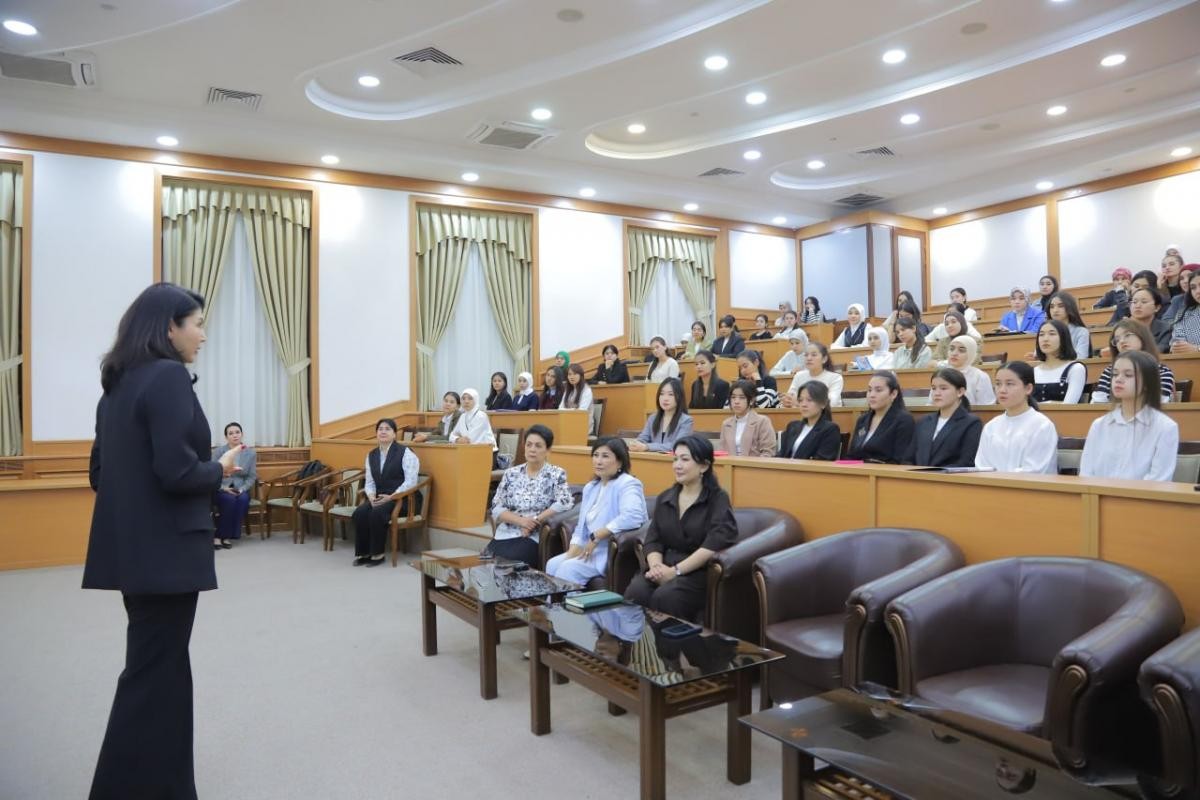
On 15 October 2025, the university hosted a visit by Shahnoza Sultonova, Deputy Mayor of Tashkent and Head of the Department of Family and Women's Affairs, and Dilfuza Rasulmuxamedova, Deputy Head of Yakkasaray District Administration and Head of the District Department of Family and Women's Affairs. The visit aimed to review university facilities, assess student living conditions, and discuss educational and development opportunities available to young people. The event provided a platform for direct communication between students and local government representatives, allowing young people to engage with public officials, raise questions, and contribute perspectives on issues related to education, student welfare, and youth development.
On August 19, 2025 the university hosted a meeting with Otabek Rixsiboyev, Deputy Head of Yakkasaray District Administration for Youth Policy, Social Development, and Spiritual and Educational Affairs and the graduating students of the university. In the discussion as a representative of local government, he discussed employment opportunities, entrepreneurship support and the role of local government in implementing youth policy. Students raised questions and shared proposals on civic participation, youth representation in local decision-making and public support for their professional and social development.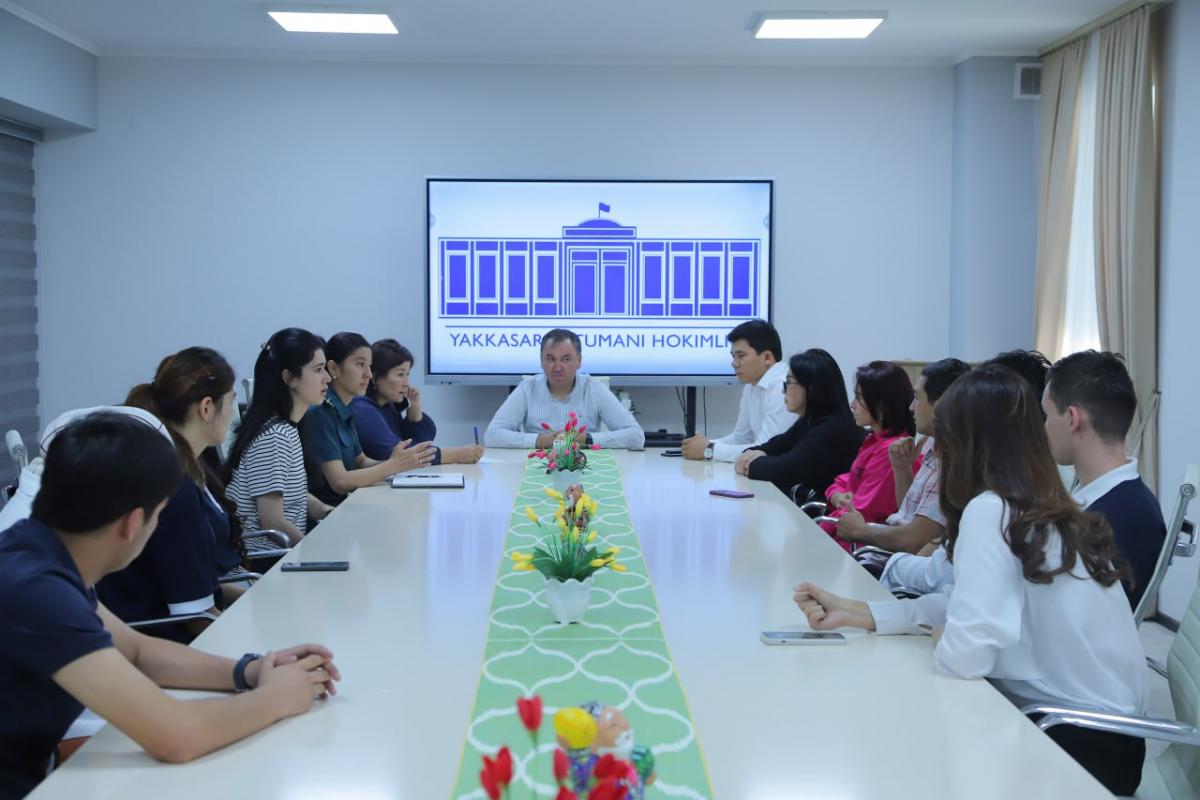
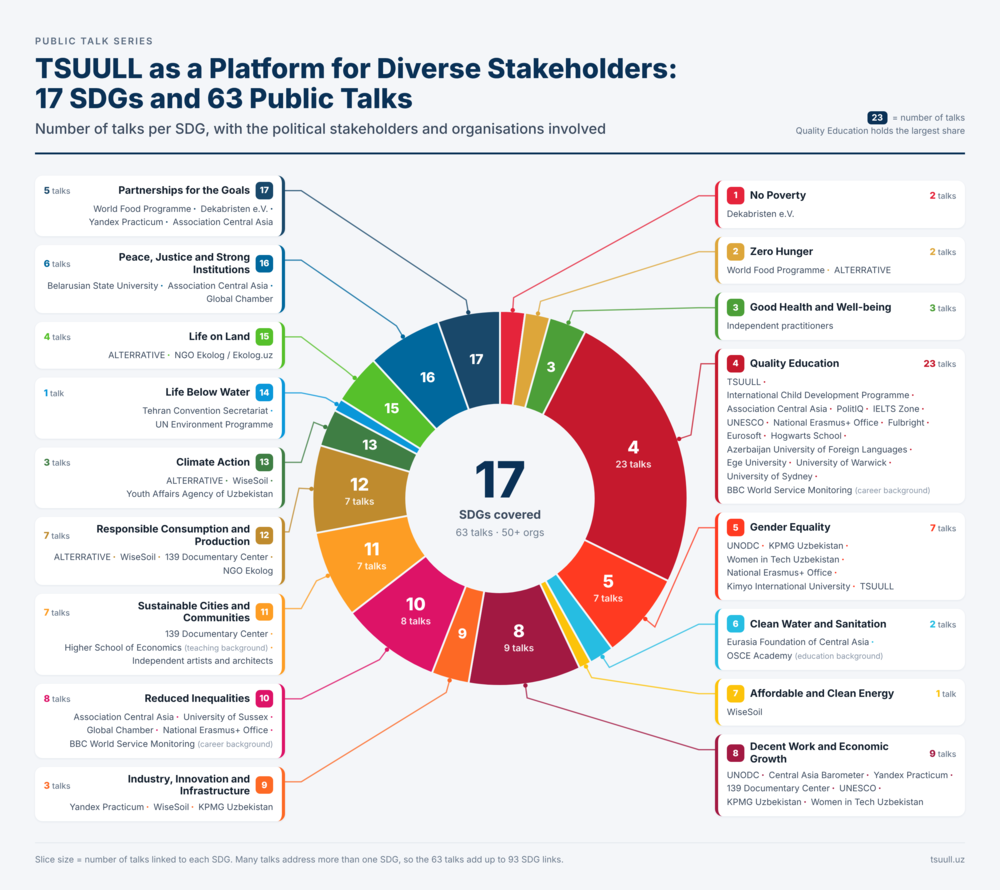
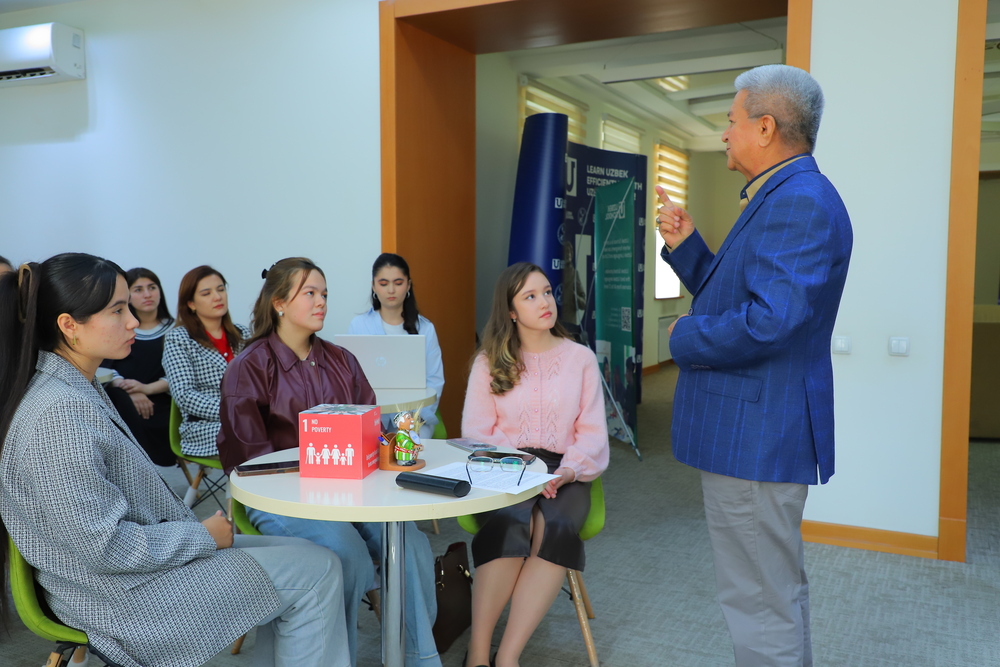
A central component of this engagement is the TSUULL Public Talks Series, an open-access initiative that has brought together more than 60 national and international speakers from diverse professional and institutional backgrounds. Participants have included representatives of non-governmental organisations, government advisers, international programmes representatives, policymakers, human rights advocates, researchers, artists, youth activists, and regional and international organisations. The issues addressed encompass a broad range of topics, including intercultural diplomacy, environmental sustainability, social activism, and literacy development, reflecting the interconnected priorities and principles of the United Nations Sustainable Development Goals. By addressing topics aligned with the Sustainable Development Goals, the Public Talks Series aims to raise participants’ awareness of contemporary global and national challenges, encourage critical thinking and the open expression of diverse perspectives, and promote active engagement in addressing social, environmental, and developmental issues.The events are free of charge, publicly announced, and accessible to students, diplomats, policymakers, alumni, local communities, and displaced populations, providing opportunities for lifelong learning and participation across different social and professional groups.
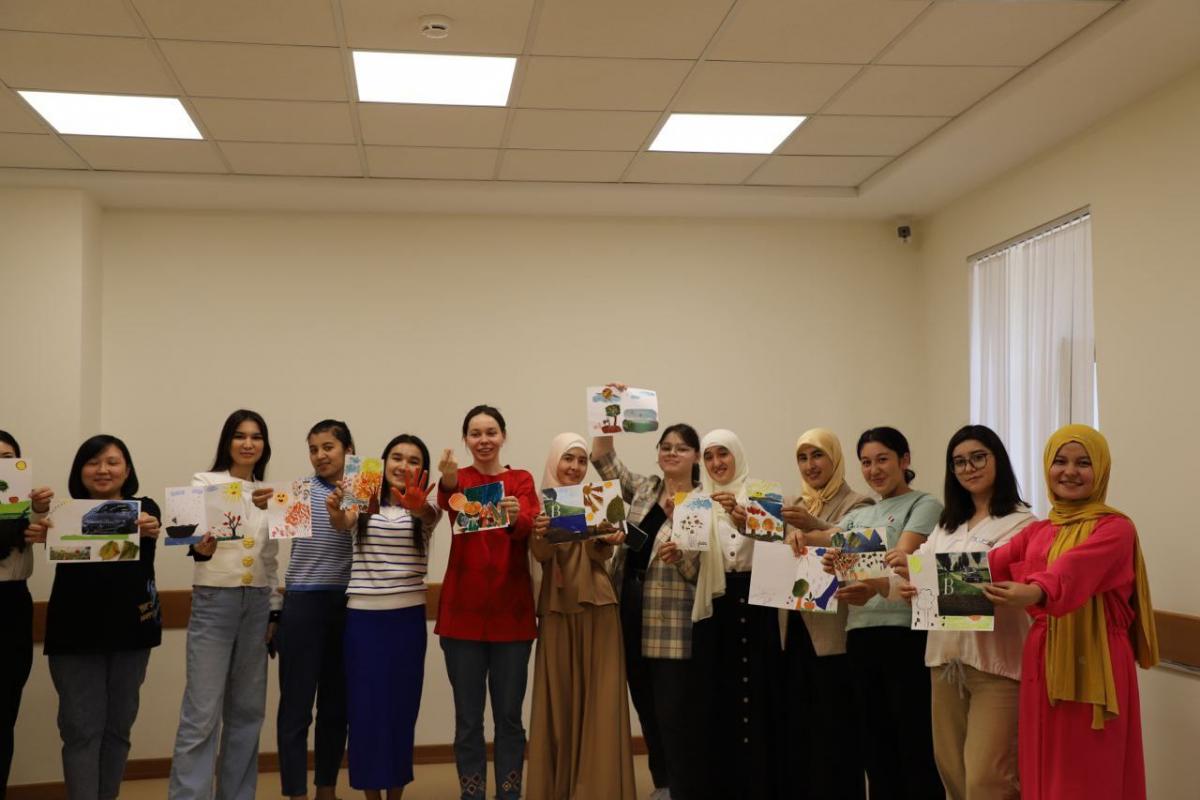
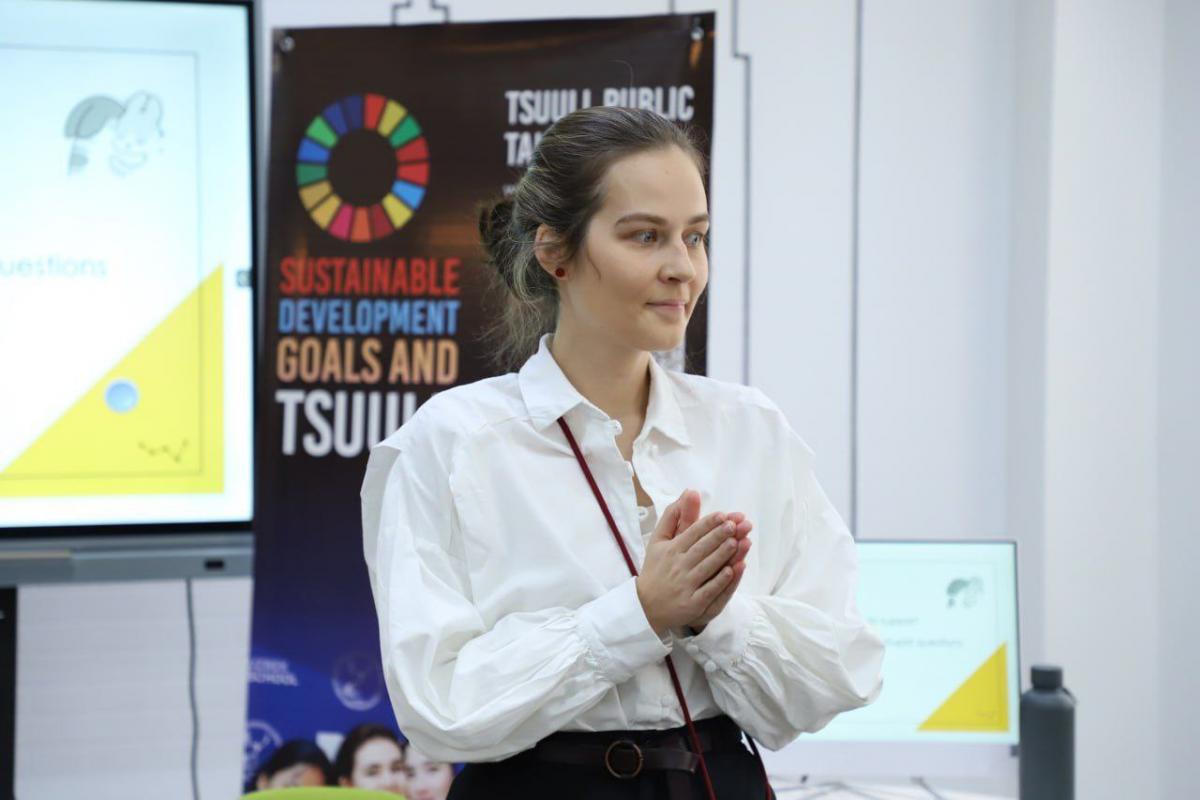
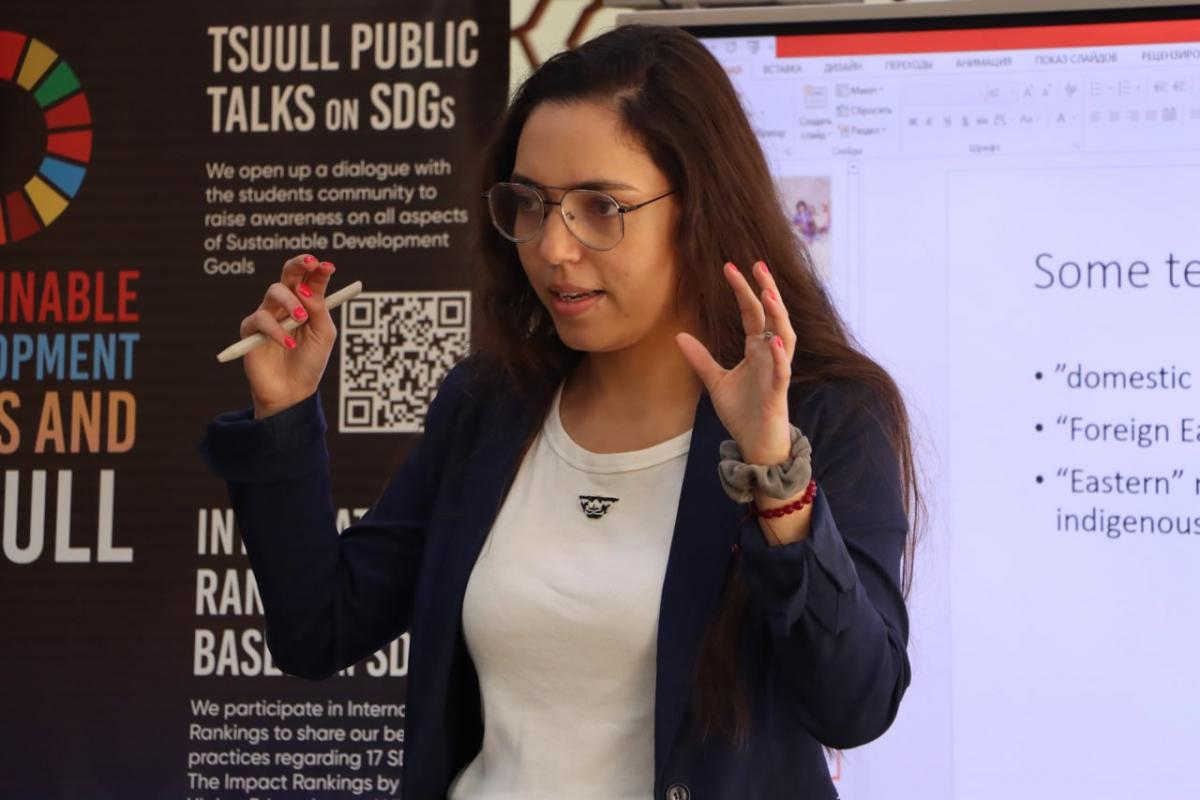
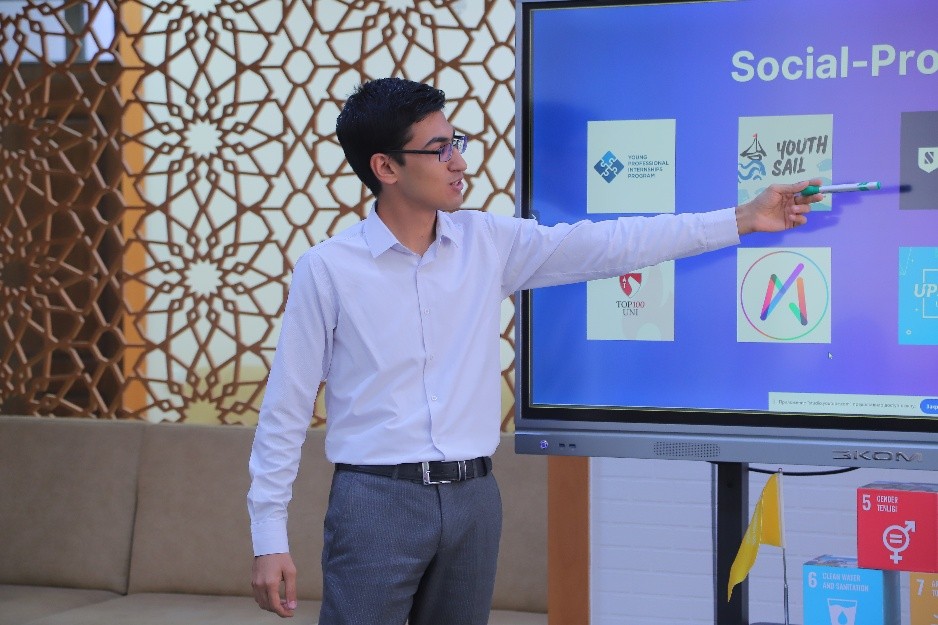
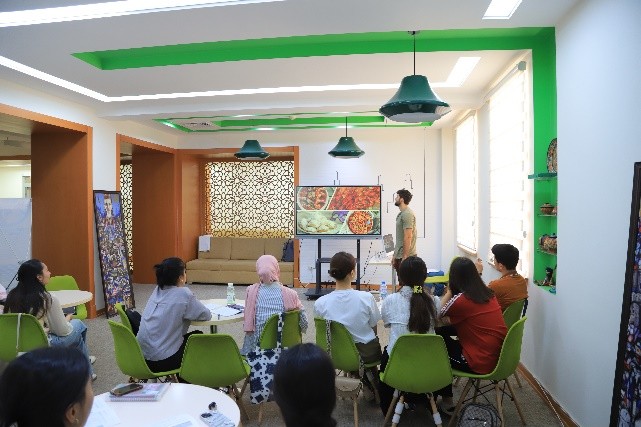
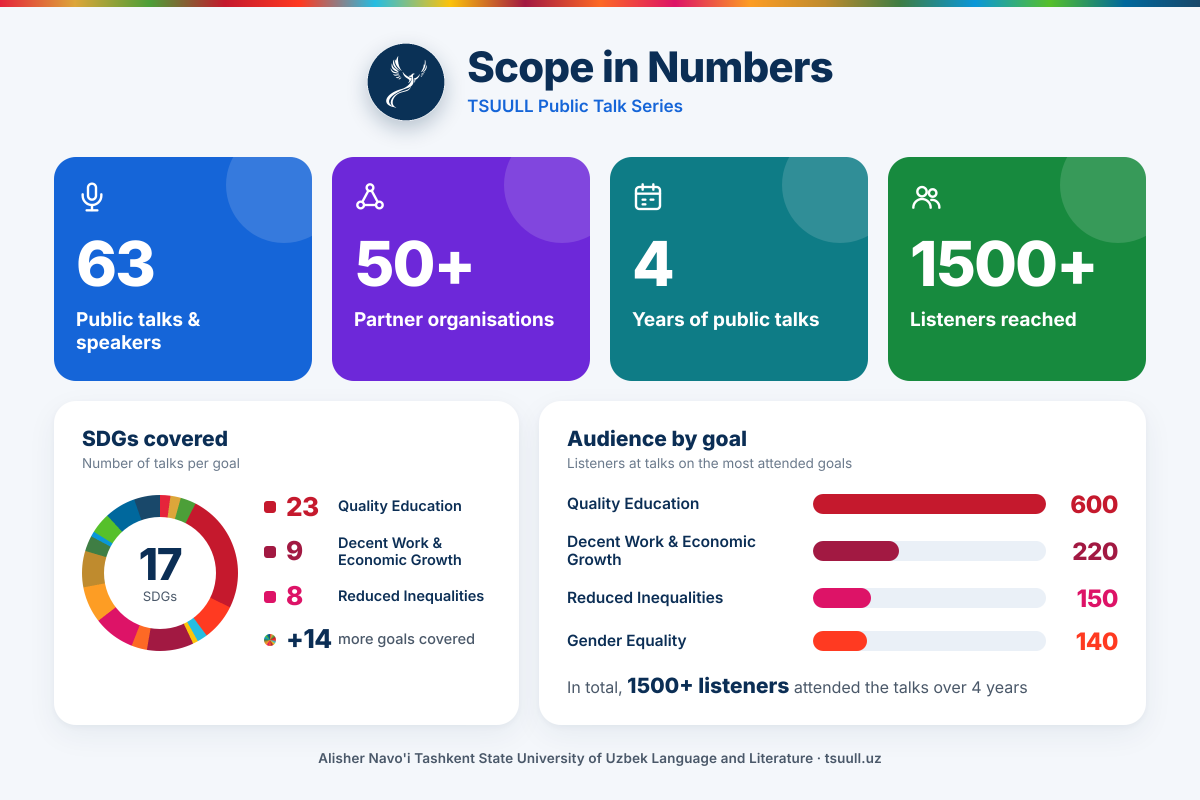
Over four years, the TSUULL Public Talks Series has organised 63 talks, engaged more than 50 partner organisations and reached over 1,500 listeners, providing opportunities for knowledge exchange and public dialogue. Covering all 17 Sustainable Development Goals, the series has addressed a broad range of educational, social, economic and governance challenges, with particular emphasis on quality education, decent work, reduced inequalities and gender equality.
Recognising gender equality and women's rights as essential to individual well-being and social development in Uzbekistan, the university places particular emphasis on creating opportunities for open dialogue on issues affecting women and girls.
Through its “Qizlar Gapirsin” (Let the Women Speak) podcast, the University provides a platform for female social activists, researchers, and advocates to share their perspectives on gender-related challenges, women's rights, legal literacy, access to education, and personal and professional development. Among the invited guests is Gulnoz Mamarasulova, a human rights advocate and researcher, who contributes to discussions on issues affecting women and girls.
Another podcast featured Nilufar Ismoilova, a children’s speech therapist and entrepreneur, and focused on balancing access to quality education with women’s family and caregiving responsibilities. Aimed at married students, pregnant students and student mothers, the discussion explored raising healthy children and the social support that enables women to continue their education while fulfilling these roles. This initiative reflects the University's commitment to inclusive dialogue, gender equality, and the participation of women in discussions concerning their rights, opportunities, and well-being.