Duration
1 semester (14 weeks)
Next Start Date
September 5
Closing Date
1.700$
Additional Information
Course description
This interdisciplinary course offers a comprehensive exploration of gender equality and women’s empowerment through historical, social, economic, political, and cultural lenses, integrating both global frameworks and local contexts. Drawing on feminist theory, gender studies, and intersectional approaches, the course equips students with the analytical tools necessary to critically examine how systems of power, privilege, and inequality are constructed, maintained, and challenged across societies.
Central to the course is an intersectional perspective, which recognizes that gender does not operate in isolation but intersects with race, ethnicity, class, sexuality, disability, age, religion, and other identity markers. Students will investigate how these overlapping identities shape lived experiences, access to resources, participation in decision-making, and exposure to discrimination or marginalization. Particular attention is given to the diverse forms of resistance, activism, and agency demonstrated by women and gender-diverse groups across different cultural and political settings.
The course combines theoretical inquiry with empirical analysis and practical application. Students will engage with key concepts such as patriarchy, gender norms, representation, labor and care economies, education, health, gender-based violence, legal frameworks, and public policy.
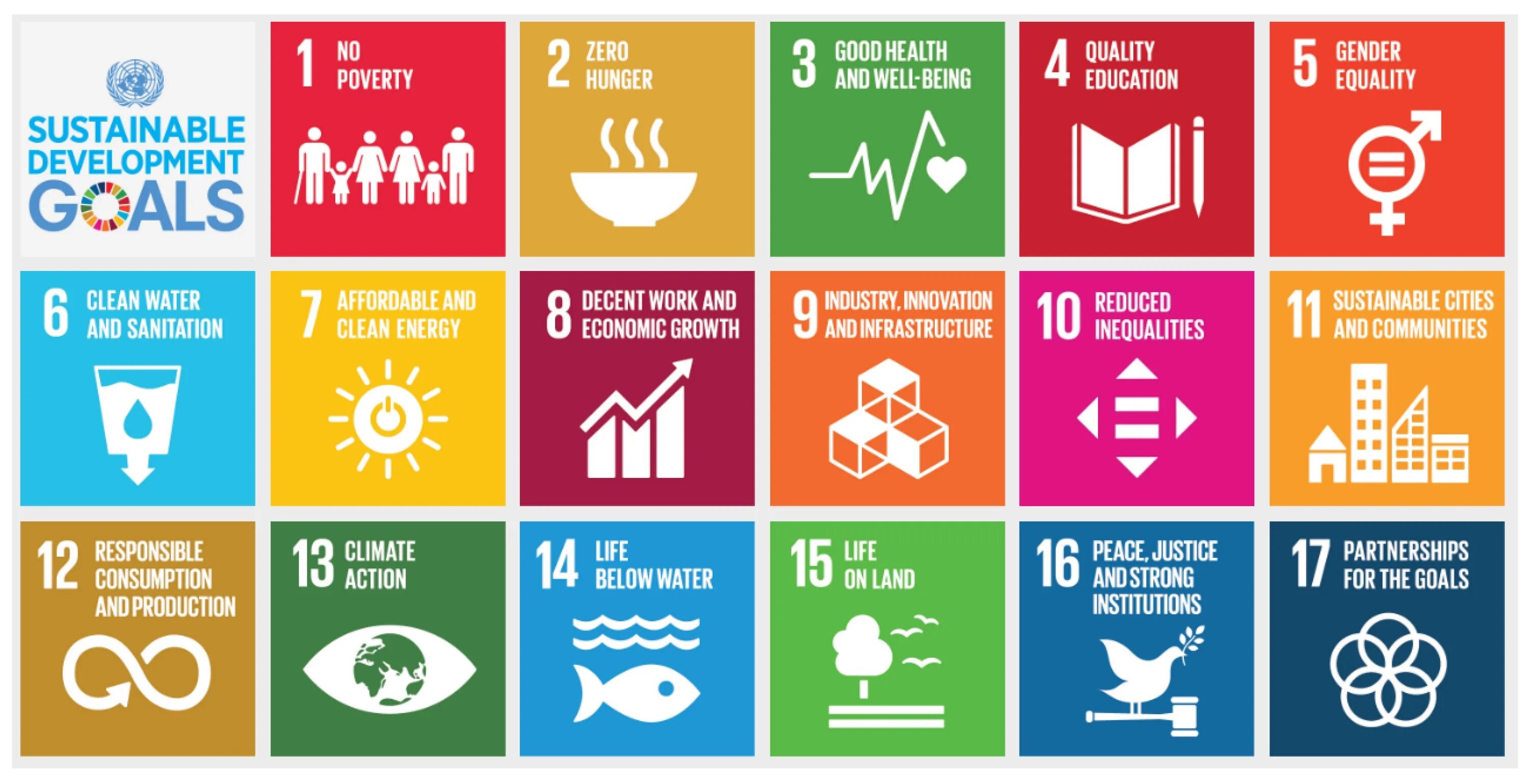
Case studies from various regions will be used to illustrate how gender inequalities manifest differently across contexts and how local solutions are informed by global gender justice agendas, including the SDGs and international human rights instruments.
Active and experiential learning is a core component of the course. Through guided discussions, debates, role-playing exercises, media and discourse analysis, simulations, and collaborative group projects, students will develop critical thinking, communication, and problem-solving skills. These activities are designed to foster reflexivity, ethical awareness, and the ability to apply gender-sensitive perspectives in academic, professional, and community-based environments.
By the end of the semester, students will have developed a nuanced and evidence-based understanding of contemporary gender issues and acquired practical competencies in gender analysis, advocacy, and inclusive communication. The course culminates in a capstone project in which students design, plan, and present a gender-focused advocacy or intervention initiative. This project encourages students to translate theory into practice and prepares them to contribute meaningfully to gender equality and social justice efforts in diverse professional, policy-making, and civil society contexts.
Course Objectives
By the end of this course, students will be able to:
• CO1: To understand the core concepts, theories, and history of feminism and gender studies.
• CO2: To analyze gender inequality across social, economic, and political spheres.
• CO3: To explore the intersections of gender with race, class, sexuality, and disability.
• CO4: To critically evaluate the role of institutions, culture, and policy in perpetuating or challenging gender norms.
• CO5: To identify strategies and tools for promoting gender equality and women's empowerment at local and global levels.
• CO6: To develop skills in gender-sensitive analysis, advocacy, and communication.
• CO7: To design a practical initiative aimed at addressing a specific gender-based challenge.
This course is designed to provide students with a deep and actionable understanding of gender equality and women’s empowerment through an interdisciplinary and intersectional approach. It moves beyond theory to focus on real-world application, advocacy, and change-making.
• Core focus areas include:
• You will:
This elective is open to all undergraduate students and is especially valuable for those interested in social sciences, humanities, education, policy, law, development, or community leadership.
• Ideal for students who:
No prior background is required. The course is structured as an introductory module and welcomes students from all academic disciplines.
• You will:
• All key terms, theories, and frameworks will be introduced and explained in an accessible manner.
The syllabus is organized into nine thematic units, each combining theory, case studies, and applied learning.
• Unit breakdown:
The course emphasizes active, participatory, and reflective learning to engage students deeply with the content.
• Learning formats include:
The final project is a core component of the course, allowing students to apply their learning to a real or simulated gender justice initiative.
• Project requirements:
• Examples of past projects:
Assessment is continuous, varied, and aligned with the course’s practical and reflective aims.
• Assessment components:
All required materials are provided digitally, with no mandatory textbook purchases.
• Core resources include:
No. This course does not have a traditional final exam. Instead, learning is assessed through ongoing participation, assignments, and the final advocacy project, which serves as a capstone demonstration of your skills and knowledge.
You will build both academic competencies and professional skills transferable to various fields.
• Key skills include:
The knowledge and skills gained are highly relevant in today’s globalized and socially conscious job market.
• Career pathways enhanced by this course:
Currently, the course is delivered in-person with supplementary digital resources. Some sessions may be offered in hybrid or fully online format depending on university policies and student needs. Please check the current semester schedule for details.
Yes. Successful completion of the course awards 3 academic credits toward your degree program. Your grade will appear on your official university transcript. A separate certificate of completion is not automatically issued unless specified by the department or as part of a micro-credential initiative.
You are encouraged to begin exploring gender-related topics to enrich your learning experience.
• Suggestions for preparation:
Course Details
Course Title: Education for Sustainable Development
Course Type: Elective
Duration: 1 Semester (14 weeks)
Form: Optional
Total Hours: 42 hours
Lectures: 28 hours
Practical sessions: 14 hours
Lesson Duration: 1.5 hours
Sessions per Week: 2
Assessment Method: Project Portfolio & Final Group Project
Language of Instruction: English
Topics: Sex vs. Gender, gender socialization, patriarchy, waves of feminism, key feminist thinkers (e.g., Simone de Beauvoir, bell hooks).
Learning Outcomes:
• Differentiate between biological sex and socially constructed gender.
• Trace the historical evolution of feminist movements.
• Analyze everyday examples of gender norms and stereotypes.
Assessment: Personal reflection essay on gendered upbringing.
Topics: Gender pay gap, unpaid care work, occupational segregation, glass ceiling, women in entrepreneurship, economic empowerment models.
Learning Outcomes:
• Interpret labor force and wage disparity statistics.
• Evaluate the economic value of unpaid domestic and care work.
• Propose policy and organizational strategies to promote economic equity.
Assessment: Data analysis report and debate on universal basic income or paid family leave.
Topics: Women’s suffrage, political representation, gender quotas, feminist leadership, women in governance and diplomacy.
Learning Outcomes:
• Assess the impact of gender quotas on political systems.
• Analyze case studies of transformative women leaders.
• Develop a campaign platform for gender-sensitive policy.
Assessment: Campaign pitch for a fictional political candidate focused on a gender issue.
Topics: Access to education, gender gaps in STEM, hidden curriculum, teacher bias, inclusive pedagogy.
Learning Outcomes:
• Critique textbooks and curricula for gender bias.
• Design an inclusive classroom activity or lesson plan.
• Propose institutional reforms to support gender equity in education.
Assessment: Curriculum analysis paper and inclusive activity design.
Topics: Reproductive rights, maternal health, gender-based violence, mental health, healthcare access, body autonomy movements.
Learning Outcomes:
• Analyze national and international policies on women’s health.
• Understand the linkages between gender-based violence and public health.
• Role-play advocacy scenarios for health rights.
Assessment: Policy brief on a local or national women’s health issue.
Topics: Intersectional theory (Crenshaw), overlapping oppressions, privilege, positionality, inclusive feminism.
Learning Outcomes:
• Apply an intersectional lens to analyze social issues.
• Recognize personal and structural privilege.
• Engage respectfully with diverse feminist perspectives.
Assessment: Intersectional case study analysis and panel discussion participation.
Topics: Media stereotypes, the male gaze, body image, representation in film/advertising, digital activism (#MeToo).
Learning Outcomes:
• Deconstruct gender portrayals in media content.
• Critique the role of media in reinforcing or challenging gender norms.
• Create a media proposal with equitable representation.
Assessment: Media analysis presentation and creative pitch for a gender-aware media product.
Topics: Toxic masculinity, healthy masculinities, male allyship, men in caregiving and emotional roles, men’s movements for gender equality.
Learning Outcomes:
• Reflect on societal expectations of men and masculinity.
• Design an educational workshop on positive masculinities.
• Evaluate strategies for engaging men in gender justice work.
Assessment:* Workshop design and reflective essay on allyship.
Topics: Grassroots organizing, NGO advocacy, digital campaigns, policy lobbying, project design and impact measurement.
Learning Outcomes:
• Develop a structured advocacy project plan.
• Identify stakeholders and communication strategies.
• Present and defend a project proposal to peers.
Assessment:* Final group advocacy project proposal and presentation.
• Interactive Lectures: Introduction of key concepts and frameworks.
• Guided Discussions & Debates: Facilitated dialogue on weekly topics.
• Case Studies: Analysis of real-world gender issues and interventions.
• Role-Playing & Simulations: Practice advocacy, negotiation, and empathy-building.
• Media Analysis: Critical viewing of films, ads, news, and social media.
• Group Projects: Collaborative development of advocacy initiatives.
• Reflective Writing: Journals, position papers, and self-assessments.
• Guest Speakers: Activists, policymakers, and practitioners in gender work.
Weight | Description | |
Participation & Engagement | 15% | Active involvement in discussions, activities, and peer feedback. |
Weekly Reflections & Quizzes | 20% | Short written responses and concept checks based on readings/media. |
Unit Assignments (3 x 10%) | 30% | Applied tasks: e.g., policy brief, media analysis, workshop design. |
Final Advocacy Project | 35% | Group project: proposal, presentation, and reflective portfolio. |
Core Texts:
1. UN Women. (2023). Progress on the Sustainable Development Goals: The Gender Snapshot.
2. Hooks, B. (2000). Feminism Is for Everybody: Passionate Politics.
3. Crenshaw, K. (1991). “Mapping the Margins: Intersectionality, Identity Politics, and Violence against Women of Color.”
4. World Health Organization. (2021). Global report on health equity for persons with disabilities.
Additional Readings:
• Beauvoir, S. (1949). The Second Sex (excerpts).
• Mohanty, C. T. (2003). Feminism Without Borders: Decolonizing Theory, Practicing Solidarity.
• Nussbaum, M. (2000). Women and Human Development: The Capabilities Approach.
Multimedia Resources:
• Miss Representation (documentary)
• Period. End of Sentence. (short film)
• TED Talks: Chimamanda Ngozi Adichie, Jackson Katz, etc.
• Podcasts: The Feminist Present, The Guilty Feminist
Institutional Reports:
• UNESCO Gender Reports
• Amnesty International Women’s Rights Publications
• Human Rights Watch Gender-Based Violence Analyses
$1.700*
This indicative annual fee is based on one year study load of 14 subjects (68 credit points)
If you are a domestic student, you can apply through our TSUULL Application system which is free of charge.
Domestic students are:
• Uzbekistan citizens
• Karakalpagistan Republic Citizens
• Uzbekistan permanent residents
• Karakalpagistan Republic permanent residents
Scholarships
At Alisher Navo’i Tashkent State University of Uzbek Language and Literature, we are proud to offer a range of scholarships that acknowledge students with a deep commitment to the Uzbek language, literature, and culture. Our scholarships reward those who demonstrate academic excellence, active engagement within their communities, and outstanding leadership. Through donor-funded support, we also ensure that scholarships are accessible to students based on their academic achievements and financial needs. Additionally, specific scholarships are available for degrees in translation, linguistics, and Uzbek literature, fostering excellence and dedication to advancing Uzbek language and literature studies.
FIND OUT MORE
Tap here to see