Lifelong learning

TSUULL promotes a culture of lifelong learning by offering educational opportunities that support continuous personal and professional development. Through academic programmes, professional development initiatives, public talks, workshops, and community engagement activities, the university encourages learners of all backgrounds to expand their knowledge and develop new skills throughout their lives. TSUULL believes that learning extends beyond the classroom and graduation, empowering individuals to adapt to a changing world, pursue new opportunities, and contribute meaningfully to society.

Diploma in Arts

Jobs and Skills Atlas

You can use this tool to research different jobs and industries, including 5-years trends of how many people are employed and the demand in different regions and LGAs.

Provided by Jobs and Skills Australia, part of the Australian Government.

Skills Priority List

Skills Priority List

You can use this tool to research the likely future need for different jobs and skills, as well as filter by your State or Territory.

Provided by Jobs and Skills Australia, part of the Australian Government.

TSUULL’s Commitment to Lifelong Learning

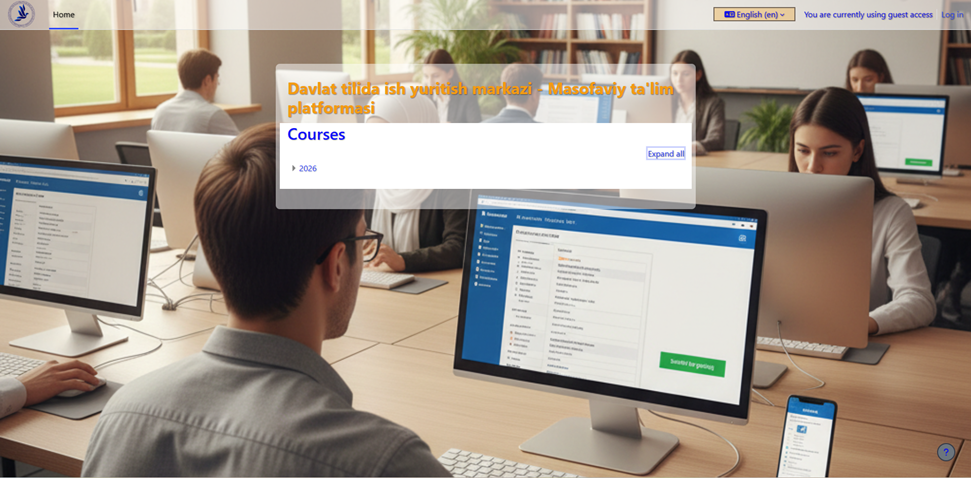
TSUULL promotes lifelong learning by providing diverse educational opportunities that enable individuals to develop their knowledge, strengthen professional competencies, and pursue learning throughout their lives. The university supports learning beyond formal degree programmes through its Department of Distance Education, UzAcademy Platform, and the Centre for Teacher Retraining and Professional Development, which contribute to flexible learning, access to educational resources, and continuing professional development.
TSUULL also provides opportunities for the wider public to enhance their skills through the Center for Training and Professional Development in Official Language. Through its training programmes and professional development activities, the Center supports continuous skills development and responds to the needs of different professional groups.
In addition, TSUULL encourages knowledge exchange and ongoing learning through educational outreach, workshops, academic activities, and community engagement. Together, these initiatives create opportunities for students, educators, professionals, and members of the public to access learning, acquire new skills, and adapt to changing educational and workplace demands. By combining distance education, open-access resources, professional training, and community-based learning, TSUULL reinforces its commitment to inclusive and accessible lifelong learning, contributing to Sustainable Development Goal 4: Quality Education.

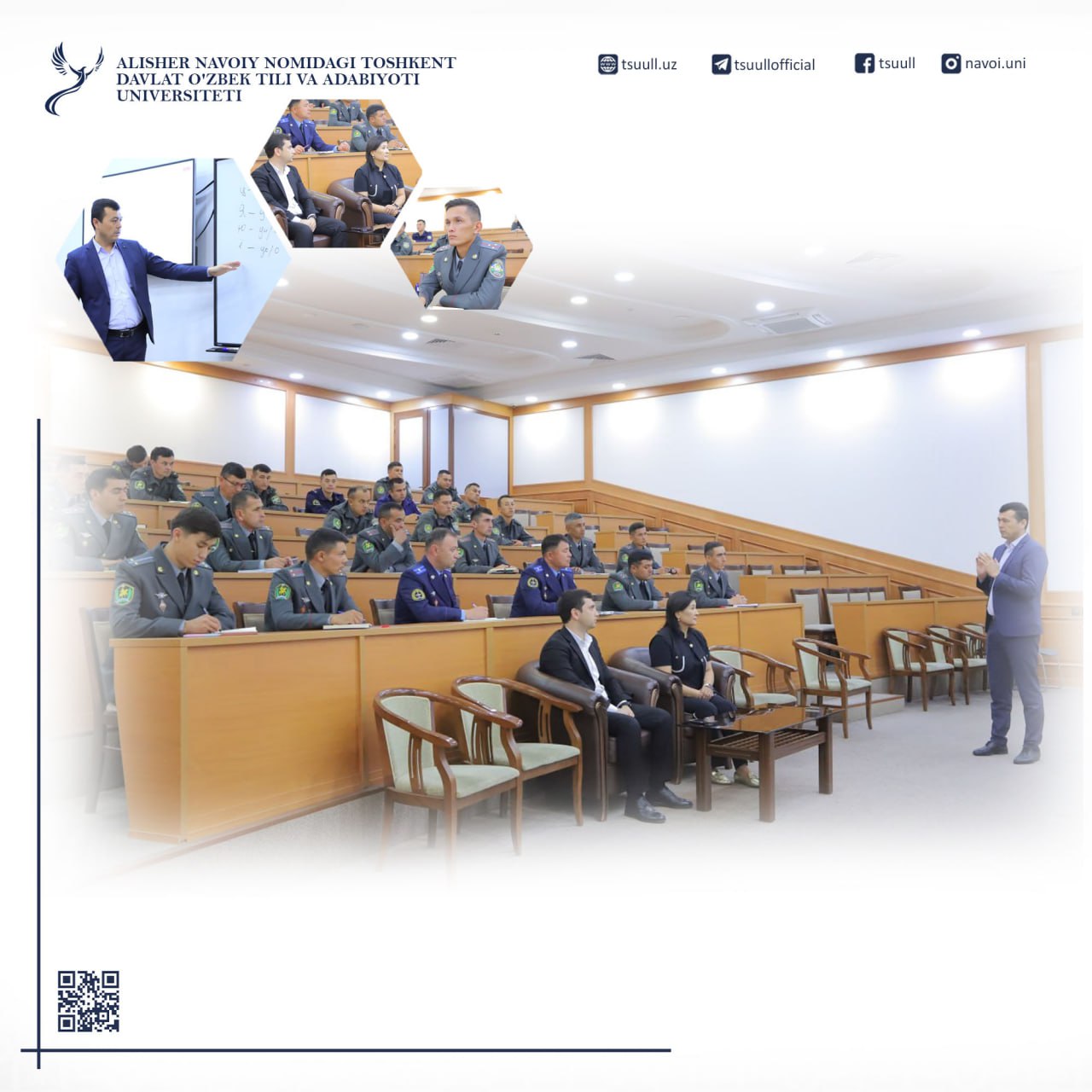
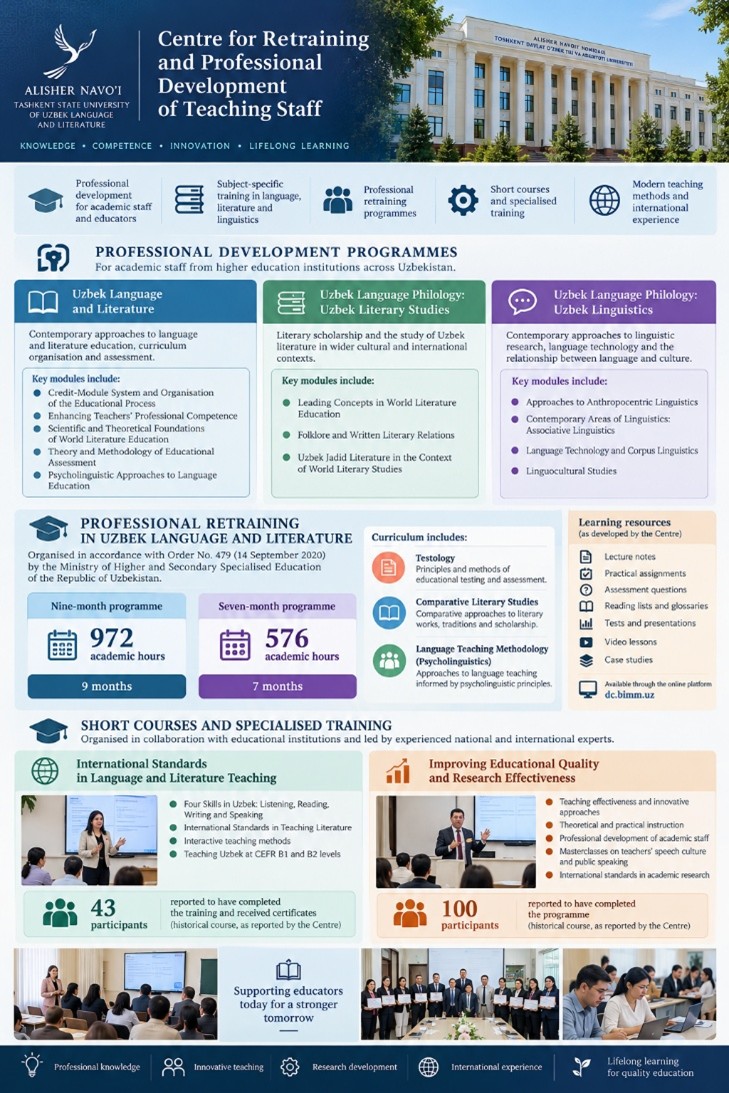
The Centre for Retraining and Professional Development of Teaching Staff at Alisher Navo’i Tashkent State University of Uzbek Language and Literature (TSUULL) provides continuing professional education for academic staff and educators in Uzbekistan. Its activities include subject-specific professional development, professional retraining and specialised training courses focused on language and literature education, teaching methodology and educational research.

Professional Development Programmes
The Centre has provided professional development for academic staff from higher education institutions across Uzbekistan in three subject areas. Professional Retraining in Uzbek Language and Literature

In accordance with Order No. 479, issued on 14 September 2020 by the Ministry of Higher and Secondary Specialised Education of the Republic of Uzbekistan, the Centre has organized professional retraining courses in Uzbek Language and Literature.

The courses use a distance-learning format and include two duration options:

  • •  Nine-month programme: 972 academic hours
  • •  Seven-month programme: 576 academic hours
Short Courses and Specialised Training
Alongside its subject-specific programmes and professional retraining courses, the Centre has reported delivering short courses and specialised training in collaboration with other educational institutions.

Courses entitled Four Skills in Uzbek: Listening, Reading, Writing and Speaking and International Standards in Teaching Literature were organised for schoolteachers in connection with anticipated updates to school textbooks.

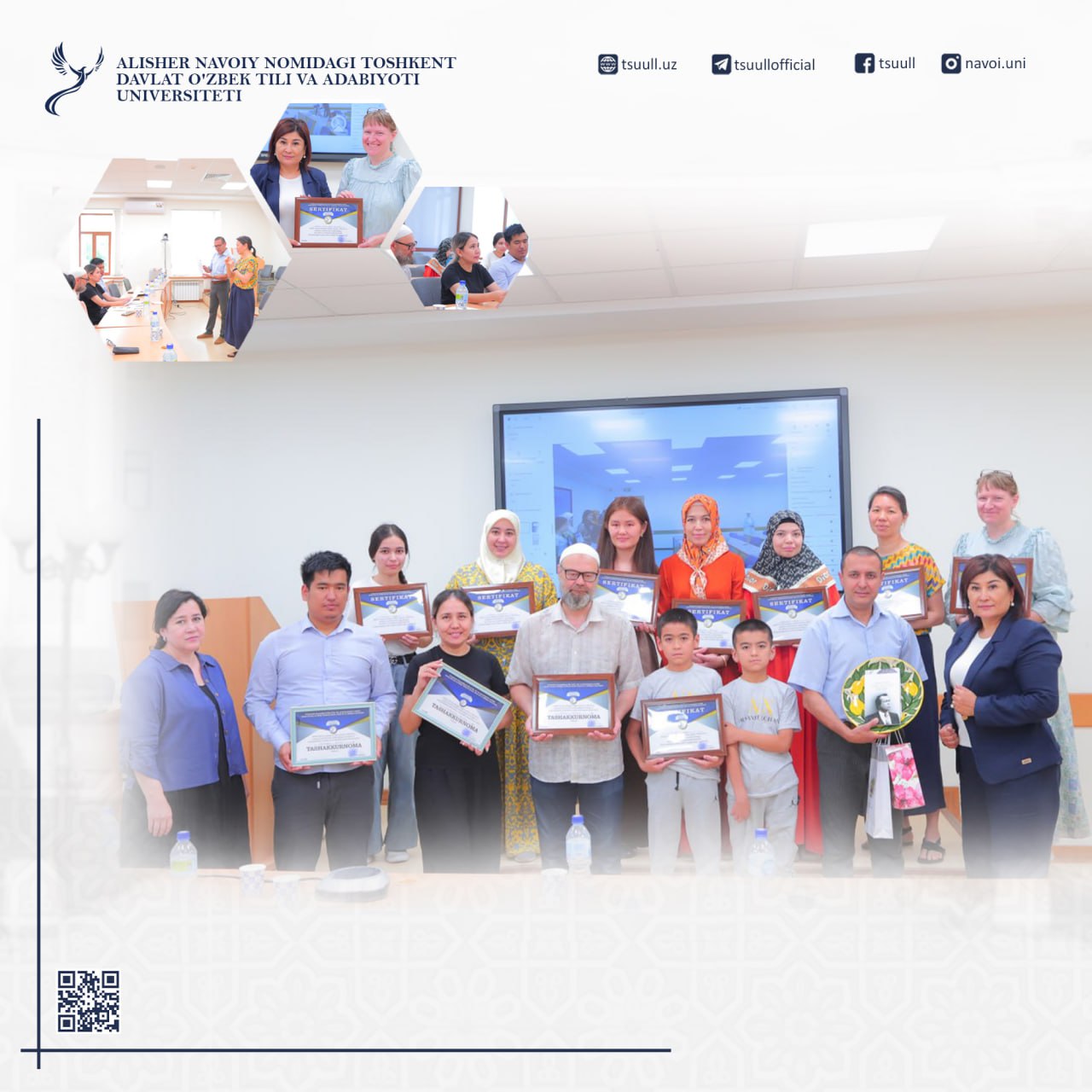
The training addressed the development of listening, reading, writing and speaking skills, interactive teaching methods, and approaches to teaching Uzbek at CEFR B1 and B2 proficiency levels. 43 participants completed the training and received certificates. 

Foreign Lecturers and International Academic Engagement
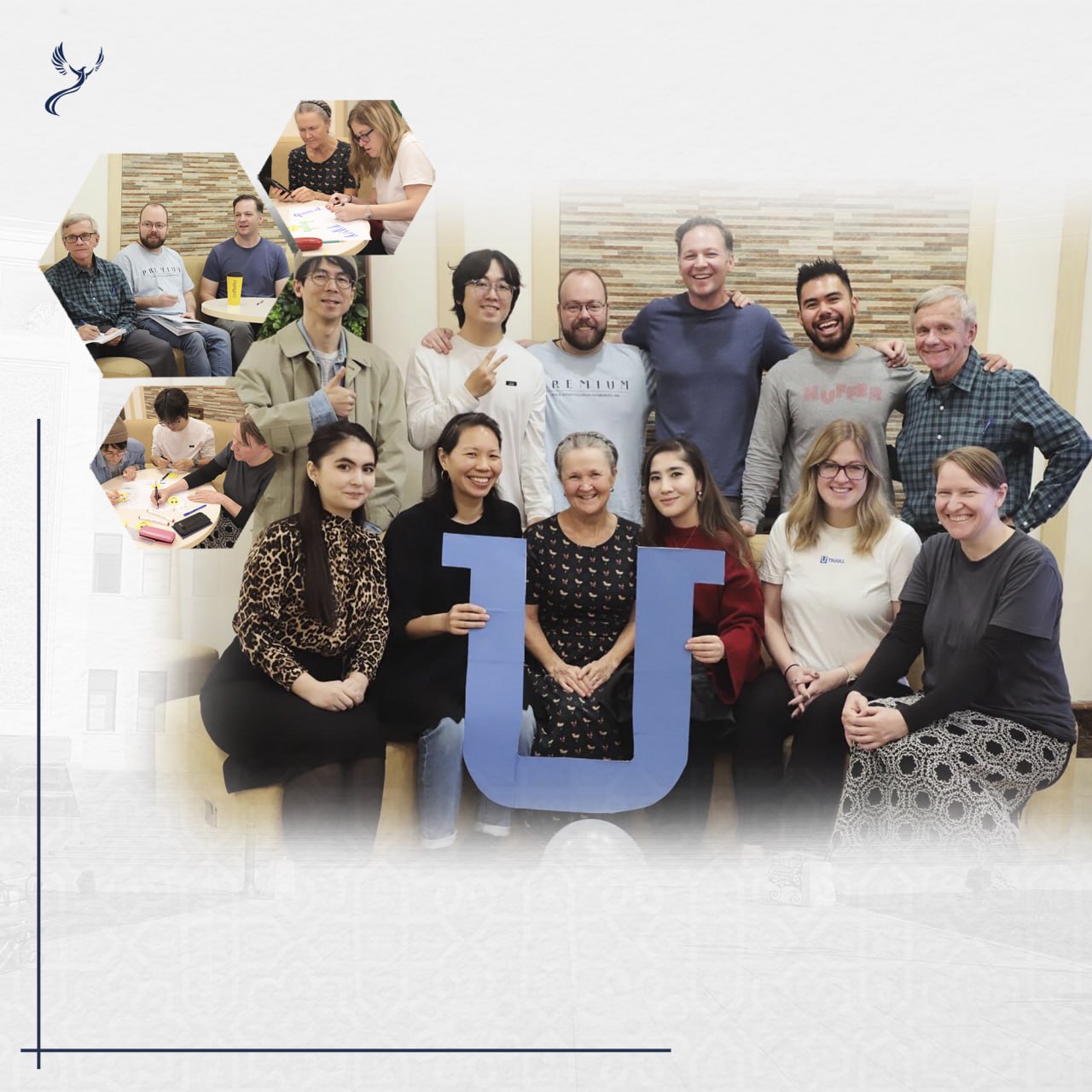
The involvement of foreign lecturers and invited specialists can contribute to the exchange of international academic experience and contemporary teaching practices. Through lectures, masterclasses and other professional learning activities, international academic expertise can support discussions of language education, literary studies, research methods and innovative approaches to teaching.

Such engagement can also provide opportunities for local educators to exchange ideas with colleagues from different academic and cultural contexts. Information about specific foreign lecturers, their affiliations and scheduled activities should be confirmed through the University’s official announcements.

Online Professional Development Platforms
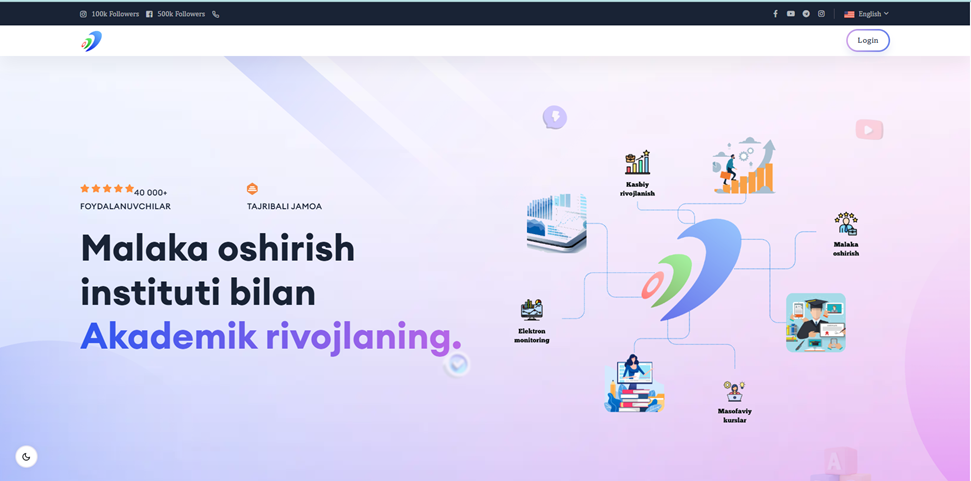
Academic staff can use my.bimm.uz, the professional development platform associated with the Institute for Retraining and Professional Development of Higher Education Personnel, to participate in relevant professional development courses, record professional activities and monitor their progress.
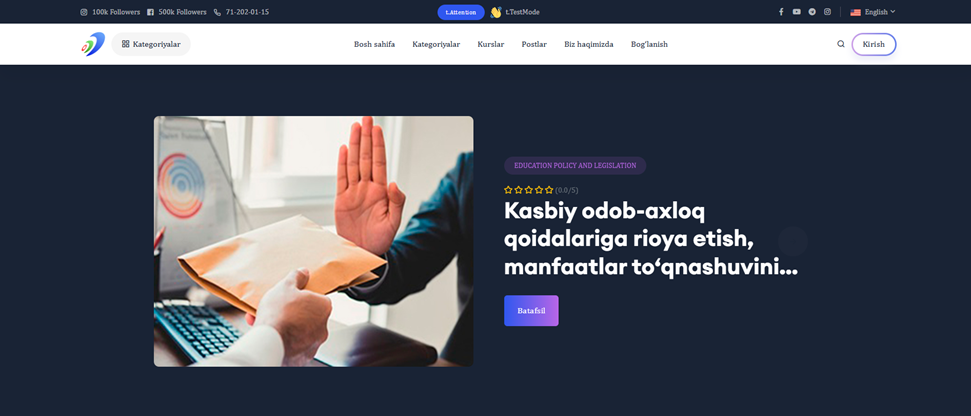
For short-term distance professional development, mk.bimm.uz provides access to online learning materials, assignments and assessment activities, according to information published by the Institute.
These platforms support the organisation and delivery of professional learning in Uzbekistan’s higher education system. The platform used for a particular TSUULL course, including any requirements applicable to foreign lecturers, should be confirmed with the Centre.

Official resources:
Public Short Courses and Professional Training

Established in 2020, the Center for Training and Professional Development in Official Language is a national institution dedicated to strengthening the use of the state language in official communication, documentation and public administration. Its mission is to promote linguistic accuracy, adherence to literary standards and a culture of clear, professional communication across society.

Since its establishment, the Center has reportedly trained and certified more than 40,000 participants through short courses and professional development programmes. Its training opportunities serve employees in the public and private sectors, educators and other members of the public seeking to improve their Uzbek language proficiency and official documentation skills.

Operating through its headquarters in Tashkent and a network of regional branches, the Center provides training, methodological guidance and advisory support across Uzbekistan. Its work contributes to more effective institutional communication and the consistent application of state-language standards. By combining professional training with methodological support and the dissemination of good practices, the Center promotes continuous learning and the effective use of Uzbek in professional and public settings.

Public Seminars, Applied Workshops and Methodological Support
Beyond formal coursework, the Center provides training and methodological support to promote clear, accurate and standards-based communication across institutions. Its activities address the practical language and documentation needs of government bodies, universities, schools, media organisations and private-sector institutions.

Key areas of training and support include:

  • •  Applying the norms of literary Uzbek and official documentation standards.
  • •  Drafting clear, accurate and well-structured official documents.
  • •  Maintaining consistency in terminology, spelling and formatting.
  • •  Improving workplace communication and professional correspondence.
  • •  Strengthening the clarity and effectiveness of public-facing institutional communication.

The Center also supports the development of professional language skills through courses such as Standards of Literary Uzbek and Speech Culture. These learning opportunities help participants strengthen their understanding of language norms and apply them in professional and everyday communication.

Through its training programmes and methodological activities, the Center supports continuous professional learning and encourages high standards of official communication throughout Uzbekistan.

Digital Resources and Online Learning Platforms
The Center provides access to digital resources and online platforms that support the development of Uzbek language proficiency, professional writing and official communication. These resources offer users opportunities to improve their language skills, consult relevant materials and access distance-learning services.

The Center’s featured digital resources include:

  • •  MilliyYnom.uz – an online resource for information related to the state language and official-language practices.
  • •  Tilbilg.uz – a digital resource supporting Uzbek language learning and language proficiency.
  • •  Tahrirlovchi.uz – an online resource associated with text editing and improving written language.
  • •  Distance Learning Platform – an online platform for accessing distance-learning services and related educational resources.

Together, these digital services complement the Center’s training programmes by making language-learning resources and professional development opportunities more accessible. They support the wider promotion of accurate, effective and standards-based communication in Uzbek.

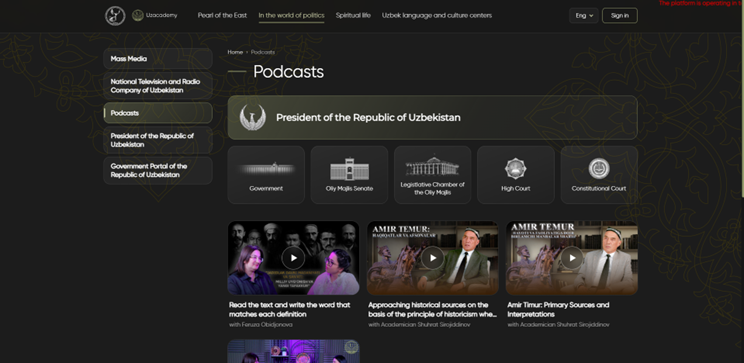
Uzacademy is a digital educational platform developed by Alisher Navo’i Tashkent State University of Uzbek Language and Literature (TSUULL). It promotes Uzbek language learning and introduces international audiences to Uzbekistan’s history, literature, art, traditions and cultural heritage. By combining language education with cultural resources, the platform supports lifelong learning and expands opportunities to discover Uzbek language and culture beyond the traditional classroom.

Key Benefits for Learners

Accessible Uzbek Language Learning
“Uzacademy” provides access to online Uzbek language courses designed for learners with different levels of proficiency and learning needs. Its published learning materials include textbooks for A1, A2 and B1 levels, while selected online and specialised courses list levels extending to C1. Learners can explore digital courses and educational resources remotely, allowing them to study Uzbek alongside their academic, professional or personal commitments. The platform’s video lessons offer an additional way to engage with learning content. In addition to general language instruction, Uzacademy features specialised courses that connect Uzbek language learning with particular interests and professional contexts. These resources can help learners develop their language knowledge for academic, cultural and professional purposes. Uzacademy extends beyond language instruction by providing resources on the country’s history, literature, art and traditions. Learners can explore materials about Uzbekistan’s history, national traditions and values, and literary and cultural heritage. The platform also provides access to digital library resources. 

Uzacademy contributes to Uzbekistan’s efforts to promote its language and cultural heritage internationally. Its development is connected to Presidential Resolution No. PQ-19 of 12 January 2024, which addresses the promotion of Uzbekistan’s history, culture and language abroad.

On 14 October 2025, the Uzbek Studies Programme was presented at the University of Oxford, marking an important step in expanding international academic engagement with Uzbek language, history and culture. The integration of Uzacademy into this initiative provides an additional digital resource for learners and the international academic community.

Supporting Lifelong Learning and Cultural Exchange

By bringing together language courses, digital learning materials and cultural resources, Uzacademy offers a central online destination for people interested in learning Uzbek and exploring Uzbekistan’s heritage. The platform supports independent learning, encourages intercultural understanding and helps introduce Uzbek language and culture to a wider international audience.

Explore the platform: Visit Uzacademy.

Distance and Online Learning

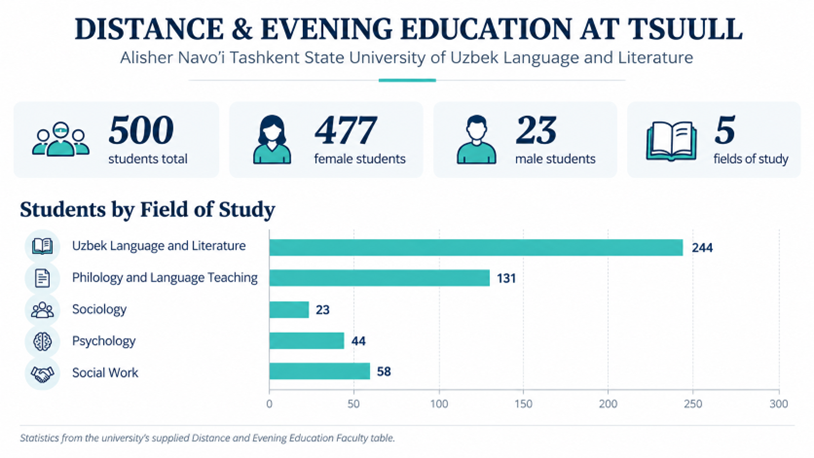
The Distance Education Centre at TSUULL supports flexible access to higher education through distance-learning programmes, with a focus on Uzbek language and literature education. Established by a university rector’s decision on 25 August 2022, the Centre supports the preparation of specialists for educational institutions, public administration, media and other professional settings.

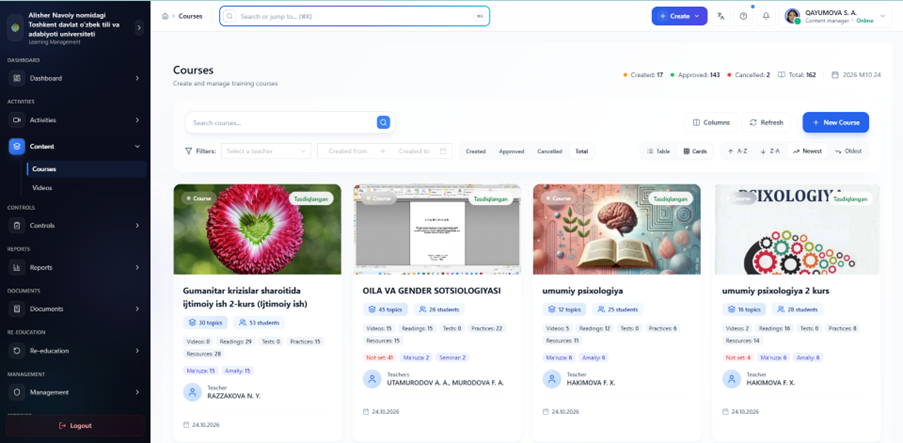
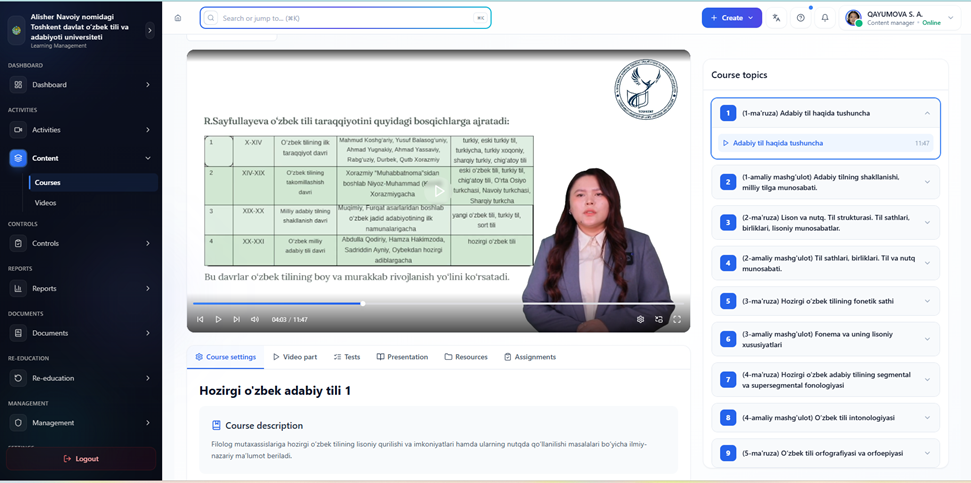
The University also provides a digital learning environment through its eLMS online learning platform, which serves as a portal for accessing online courses and learning resources.

Why Is the Platform Important?

The eLMS supports TSUULL’s broader efforts to make university learning more flexible and accessible. Its value lies in complementing face-to-face teaching with digital access to learning resources, supporting independent study, and helping students remain engaged with their academic programmes.

For distance and evening education students in particular, this approach can reduce reliance on access to a physical classroom for every learning activity. It can also encourage students to take greater responsibility for their learning and manage their studies more independently.

By combining digital learning support with the university’s academic programmes, TSUULL can strengthen its educational provision and continue developing approaches to teaching and learning that respond to students’ changing needs.

TSUULL’s Commitment to Lifelong Learning

TSUULL recognizes the importance of lifelong learning in personal development, professional growth, and social progress. Learning extends beyond formal education, enabling individuals to update their knowledge, develop new skills, and respond to changing professional and societal needs throughout their lives.
Through its academic programmes, language-related expertise, and educational activities, TSUULL contributes to a learning environment that encourages continuous development and the wider use of knowledge in society.

Opportunities for Continuous Learning

  • •  Language learning and development: Opportunities to strengthen Uzbek language proficiency, deepen linguistic knowledge, and develop communication skills relevant to education and professional life.
  • •  Professional development: Educational activities that can help teachers, language specialists, and other professionals update their knowledge and improve their practice.
  • •  Digital and flexible learning: The university’s eLMS platform provides an online learning environment that supports students’ engagement with their studies and digital learning resources.
  • •  Academic development: Research, lectures, seminars, and other academic activities can create opportunities to explore new ideas and continue learning beyond the classroom.
  • •  Community learning and knowledge exchange: Public lectures, educational events, and collaboration with other institutions can help connect university expertise with the wider community.

Who Benefits from Lifelong Learning?
Lifelong learning is relevant to people at every stage of their educational and professional journeys. At TSUULL, its potential beneficiaries include current students, graduates, teachers, language professionals, researchers, and members of the wider public interested in developing their knowledge and skills.
For professionals, continuous learning can support career development and adaptation to new demands. For graduates, it provides a pathway to further develop expertise after completing a degree. For community members, educational activities can create opportunities to explore languages, literature, culture, and new areas of knowledge.

Learning Beyond the Classroom
By promoting continuous learning and knowledge exchange, TSUULL can strengthen the connection between higher education and lifelong personal and professional development. Its educational resources and academic activities contribute to a culture in which learning is viewed not as a stage that ends with graduation, but as an ongoing process throughout life.
This commitment aligns with United Nations Sustainable Development Goal 4 (Quality Education), particularly the principle of ensuring inclusive and equitable quality education and promoting lifelong learning opportunities for all.

TSUULL