
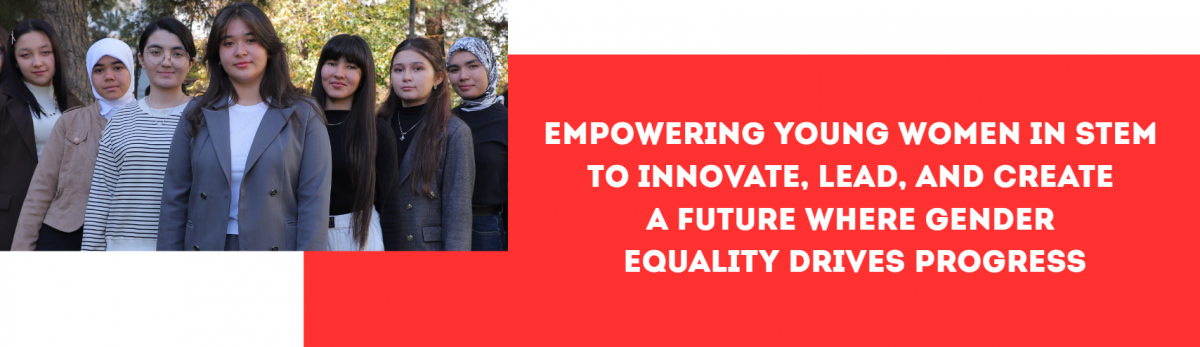
The Digital Humanities Camp at TSUULL is a pivotal initiative designed to bridge the chasm between profound philological expertise and the rigorous disciplines of Science, Technology, Engineering, and Mathematics (STEM). This specialized program directly supports the realization of critical United Nations Sustainable Development Goals (SDGs), notably SDG 4 (Quality Education) by fostering transdisciplinary skills, SDG 9 (Industry, Innovation, and Infrastructure) by cultivating technological solutions for the humanities, and SDG 17 (Partnerships for the Goals) by establishing crucial academic and industrial alliances.
By championing intensive, project-based training in Computational Linguistics, Data Science for Literary Analysis, and Advanced Digital Archiving, the Camp irrevocably elevates TSUULL's educational paradigm. It empowers students to undertake impactful research projects that address global intellectual challenges, such as the algorithmic preservation of the Uzbek language, the ethical deployment of Artificial Intelligence in cultural translation, and the robust digitalization of national heritage.
TSUULL is unequivocally committed to graduating a new cadre of specialists: individuals who are not only exceptional philologists and literary scholars but are also technologically proficient engineers of information. This fusion of disciplines fosters an indispensable capacity for critical problem-solving and entrepreneurial thinking, securing the institution’s role as a driver of national intellectual and technological progress.
Through these transformative and ongoing efforts, the TSUULL leadership decisively reinforces its mission to cultivate globally competitive experts. These experts are poised to forge robust international partnerships that underpin a resilient, innovative, and sustainable future for both the humanities and the nation’s technological landscape. The Camp is a powerful catalyst, actively mobilizing engagement in crucial activities such as Public Lectures, Collaborative Community Projects, and High-Impact Specialized Workshops.
Registration and Engagement
Prospective participants, including highly motivated students and research staff, are strongly encouraged to visit the Academic Affairs Office, follow the University’s official digital channels, or direct specific enrollment queries to the designated Innovation Office email:
Camp Curriculum and Modules
The curriculum of the TSUULL Digital Humanities Camp is meticulously crafted to equip participants with the essential technical competencies required to solve complex, technology-driven challenges within the humanities. Each module builds upon the previous one, gradually expanding students’ capacity to navigate programming, robotics, data science, and innovative research methodologies relevant to philology and cultural studies.
|
|
|
|
This introductory module lays the groundwork for computational thinking in the humanities. Participants gain hands-on experience with Python, one of the world’s most widely used programming languages. The training focuses on:
By the end of the module, participants will confidently use coding as a practical instrument for linguistic research and digital text processing.
|
This module introduces students to microcontrollers, robotics concepts, and digital preservation technologies. Participants learn how hardware and software can merge to preserve cultural heritage. Key activities include:
The module inspires students to think creatively about how robotics and automation can support large-scale digitization and heritage protection.
|
|
|
|
|
This module provides a solid foundation in data science for humanities research. Participants work with literary corpora and learn how to treat texts as analyzable data. The module covers:
By mastering these skills, participants become capable of conducting sophisticated, evidence-based investigations into literature and language.
|
The final module brings all acquired knowledge into one culminating challenge: the Capstone Team Project. This comprehensive assessment requires students to:
Successful completion of this module results in the awarding of the official TSUULL STEM Camp Certificate of Completion, confirming the participant’s readiness to contribute to the rapidly advancing field of Digital Humanities. |
Assessment and Certification
The evaluation framework is comprehensive and output-oriented, ensuring skills gained are demonstrably transferable.
Final Project Defense: Evaluation culminates in the mandatory Capstone Team Project Defense. This project must be a tangible outcome that demonstrates the integration of technical skills to solve a specific problem in Uzbek philology.
Certification: Only participants who successfully complete all module requirements, actively contribute to their team, and achieve a passing score on the Capstone Team Project Defense will be awarded the official TSUULL STEM Camp Certificate of Completion. This certification is a formal recognition of the individual’s competence in the fast-growing field of Digital Humanities.
FAQ