
Unique Center
“Uzbek School” is a scientific-methodological project established under Alisher Navo’i Tashkent State University of Uzbek Language and Literature, specializing in teaching Uzbek language and promoting Uzbekistan’s rich history, literature, and culture to foreign learners.
This initiative has been implemented gradually since 2022. Its primary objective is to promote the national language policy of the Republic of Uzbekistan at the international level and to provide modern, systematic and methodologically grounded educational opportunities for foreign individuals interested in learning Uzbek language.
Sustainable Development-Oriented Language Policy Implementation
In accordance with the Decree of the President of the Republic of Uzbekistan No. PF-5850 (21 October 2019) “On measures to radically increase the prestige and status of Uzbek language as the state language” and the Resolution of the Cabinet of Ministers (11 March 2020) “On measures to enhance the effectiveness of fundamental and applied research in the field of Uzbek language and literature,” the “Uzbek School” was established under Alisher Navo’i Tashkent State University of Uzbek Language and Literature to provide structured Uzbek language and culture instruction for foreign learners.
The initiative supports the promotion of linguistic diversity, intercultural dialogue, and inclusive education, thereby contributing to Quality Education (Sustainable Development Goal 4) and Peace, Justice and Strong Institutions (Sustainable Development Goal 16). Having accumulated early pedagogical experience through language courses, the university formalized the program in November 2022, with participation from diplomatic representatives and international students who acknowledged the project’s methodological innovation and cultural value.
Missions:
• to unite learners, admirers, and stakeholders of the Uzbek language and culture living across the globe—from Africa to the Americas, and from Asia to Europe—thereby fostering intercultural dialogue and global cultural diversity in alignment with SDG 4 (Quality Education) and SDG 17 (Partnerships for the Goals);
• to expand its operational scope by establishing additional “Uzbek School” centers in various countries, ensuring inclusive, equitable, and lifelong learning opportunities for diverse international communities;
• to publish and further refine advanced-level volumes of the “Uzbek Language for Foreign Learners” textbooks, strengthening pedagogical quality, accessibility, and academic rigor in Uzbek language education worldwide;
• to increase the number of intermediary (facilitating) languages used in the instructional materials—providing learning opportunities not only through English, but also through French, German, Korean, Spanish, Turkish, and other languages—thus supporting multilingual education, learner autonomy, and broader global access to Uzbek language learning resources.
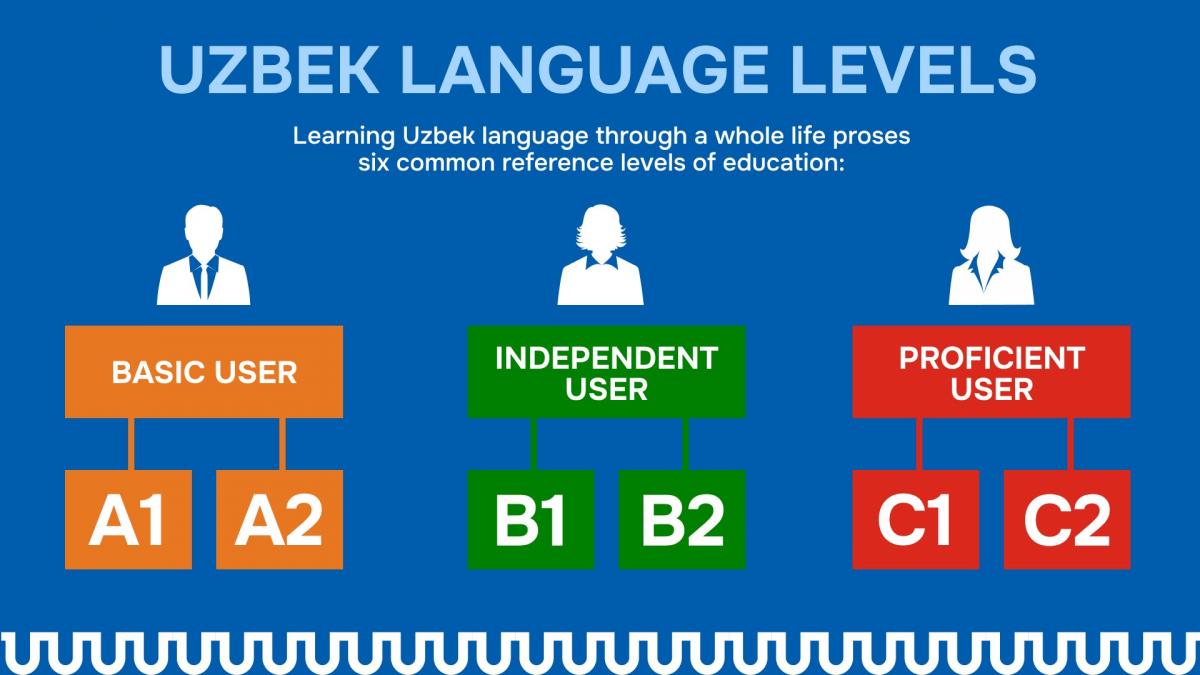
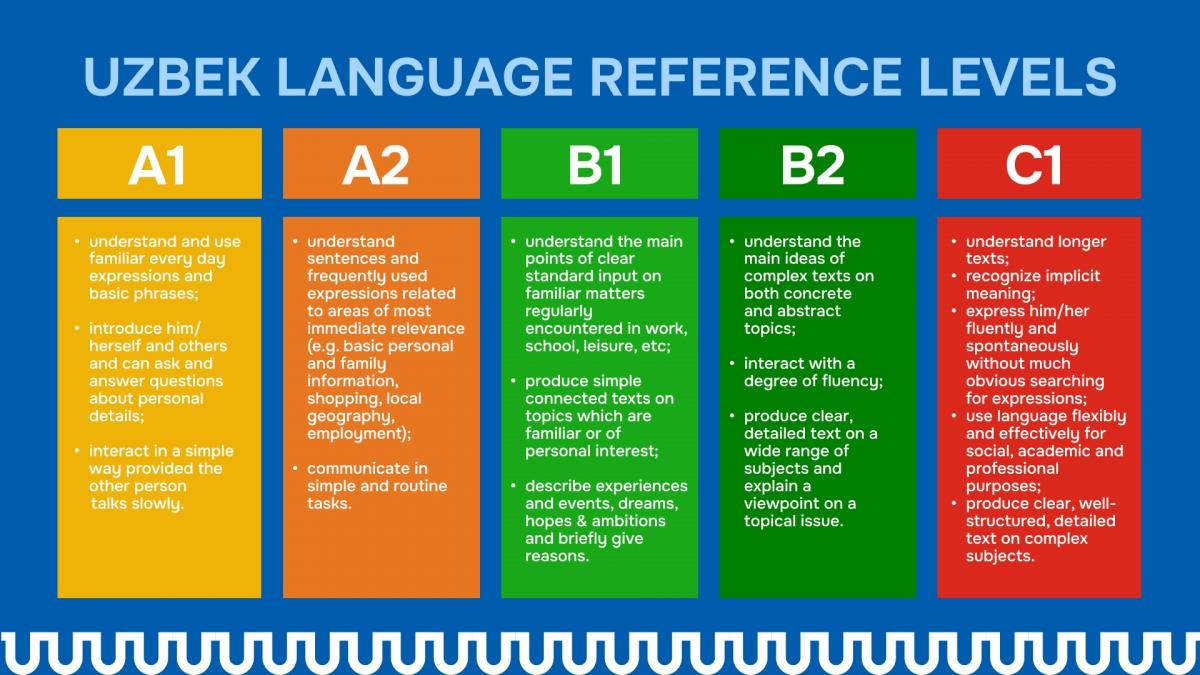
Uzbek language levels
Alisher Navoi Centers for Uzbek Language and Culture
TSUULL maintains active academic cooperation with numerous higher education and research institutions worldwide. In order to promote Uzbek language and literature internationally and provide opportunities for foreign scholars and learners interested in the history, culture, language, and literary heritage of Uzbekistan, the University has initiated the establishment of Alisher Navoi Centers for Uzbek Language and Culture (also referred to as “Uzbekistan Corners”) abroad. To date, such centers have been opened and are functioning in Azerbaijan, Kyrgyzstan, Türkiye, and Italy.
Beginning in October 2025, the Oxford Uzbek Studies Programme was also be implemented at the University of Oxford, one of the United Kingdom’s leading and oldest universities, with the aim of advancing Uzbek language and cultural studies in the global academic space. This initiative is carried out under a tripartite agreement between TSUULL, the University of Oxford, and the El-Yurt Umidi Foundation. Over a three-year period, qualified lecturers from Uzbekistan will be appointed to Oxford on a six-month rotation, selected based on their proficiency in English and scholarly expertise in Uzbek history, cultural studies, and ethnography.
These initiatives collectively contribute to Sustainable Development Goal 4 (Quality Education) and Goal 17 (Partnerships for the Goals) by expanding inclusive international academic collaboration, supporting intercultural dialogue, and strengthening the global visibility of Uzbek linguistic and cultural heritage.
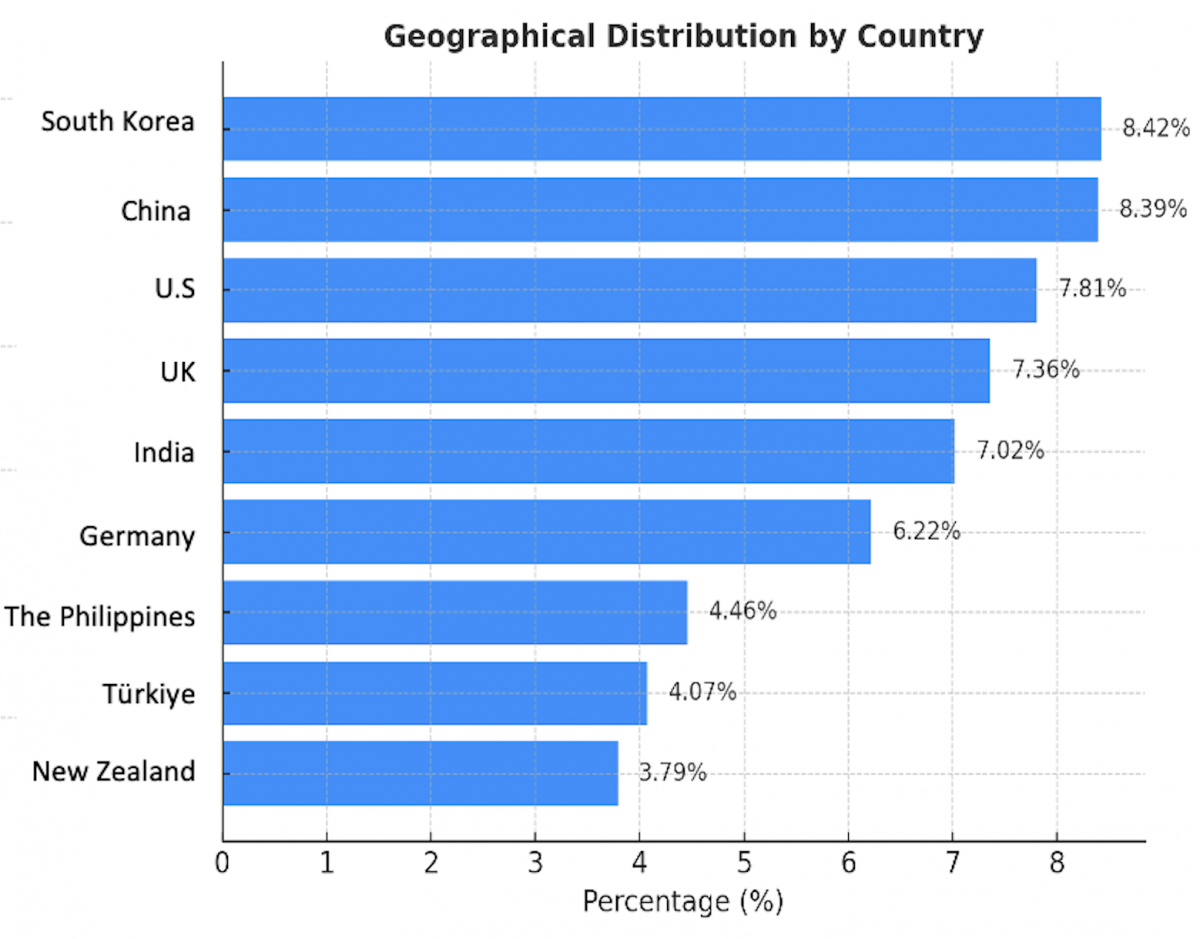
Distribution of Uzbek language learners by age and country
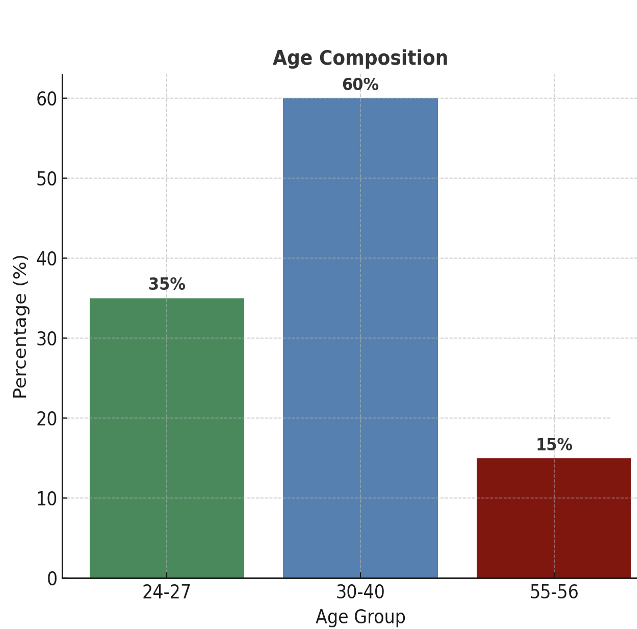
Uzbek language courses
Within the framework of “Uzbek School” initiative, three types of language courses are offered, designed to support the international promotion of the national language policy of the Republic of Uzbekistan and to provide modern, systematic, and methodologically grounded learning opportunities for foreign learners interested in the Uzbek language.
This initiative is aligned with the objectives of Sustainable Development Goal 4 (Quality Education), contributing to the development of inclusive, accessible, and competency-based language education, and strengthening intercultural dialogue and global understanding.
Course textbooks
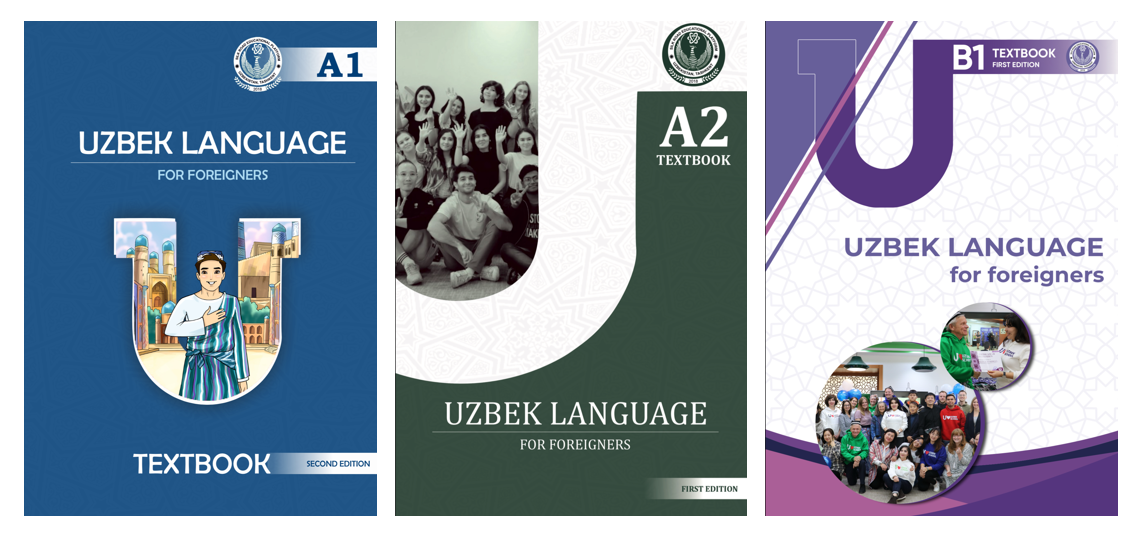
Uzbek language courses are organized in accordance with the Common European Framework of Reference for Languages (CEFR). To date, textbooks for A1, A2, and B1 proficiency levels have been developed and introduced into practice. For each level, specialized study plans of 3-month, 5-month, and 12-month duration have been elaborated. The textbooks include:
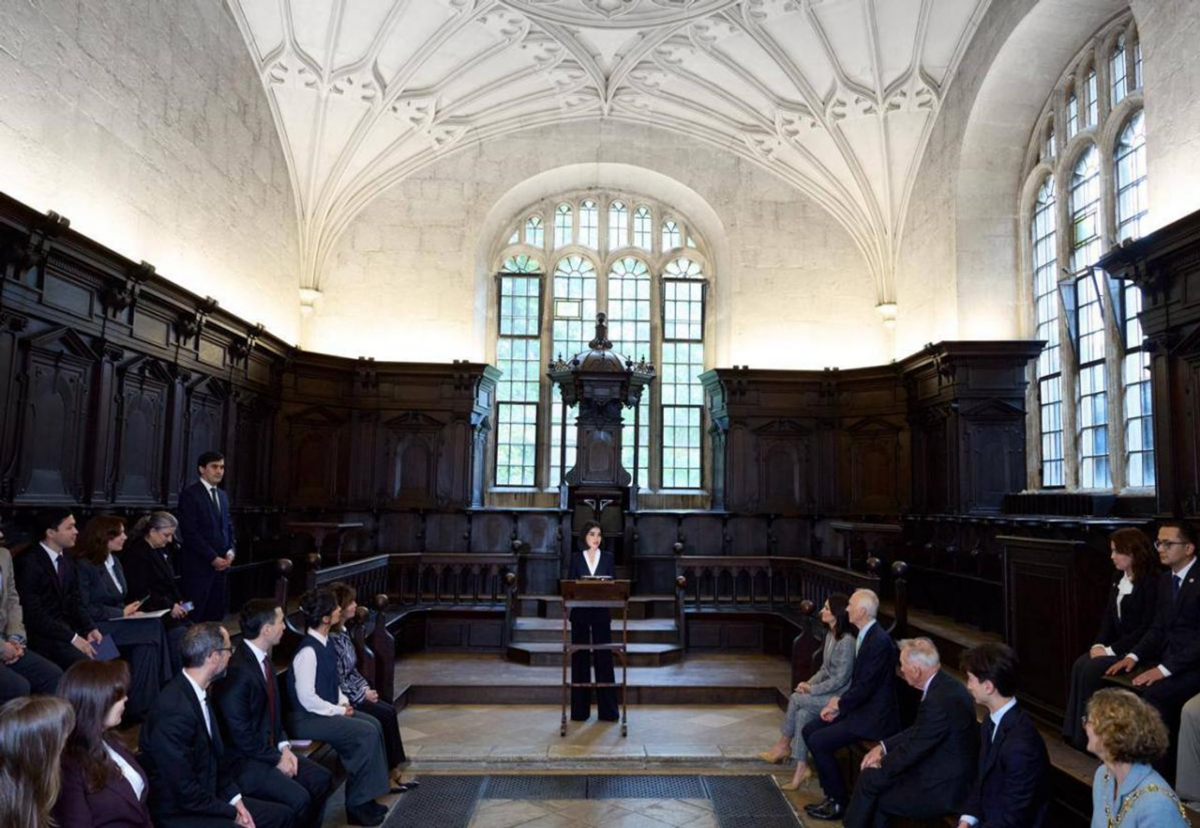
UZBEK STUDIES PROGRAMME, OXFORD
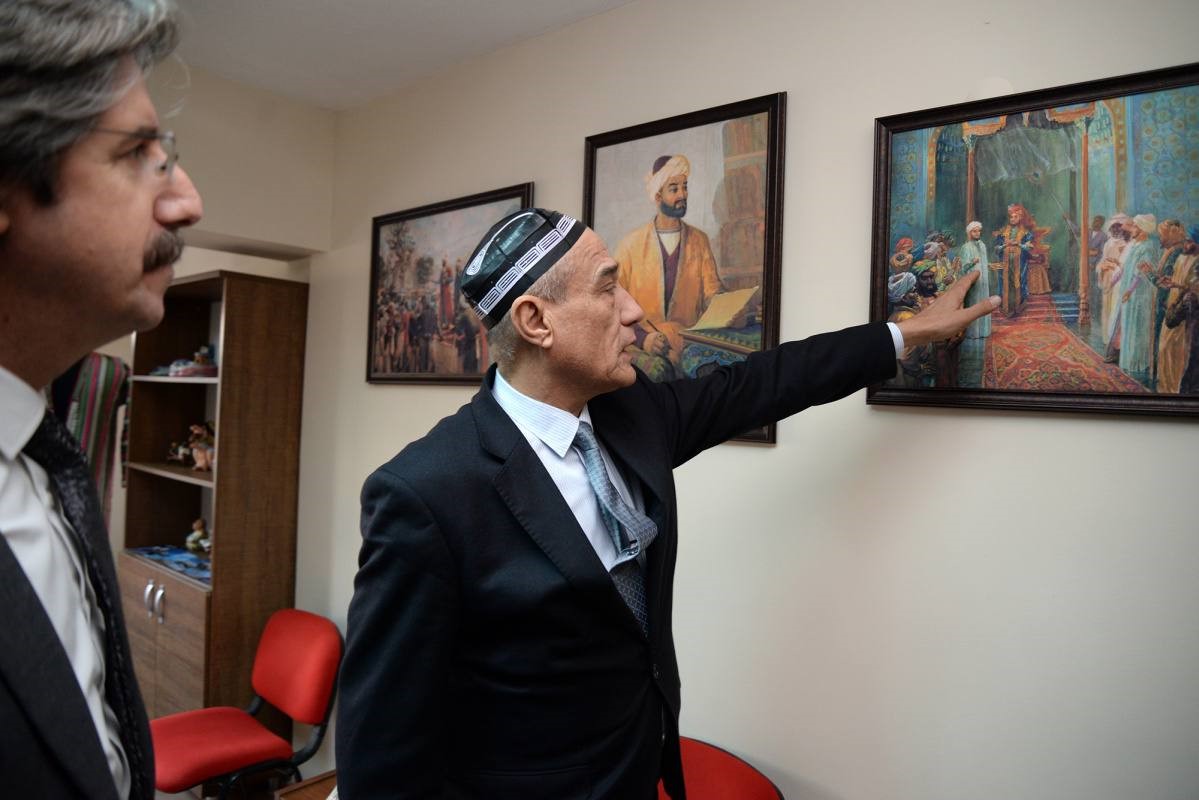
UZBEK LANGUAGE AND CULTURE CENTER, TURKIYE
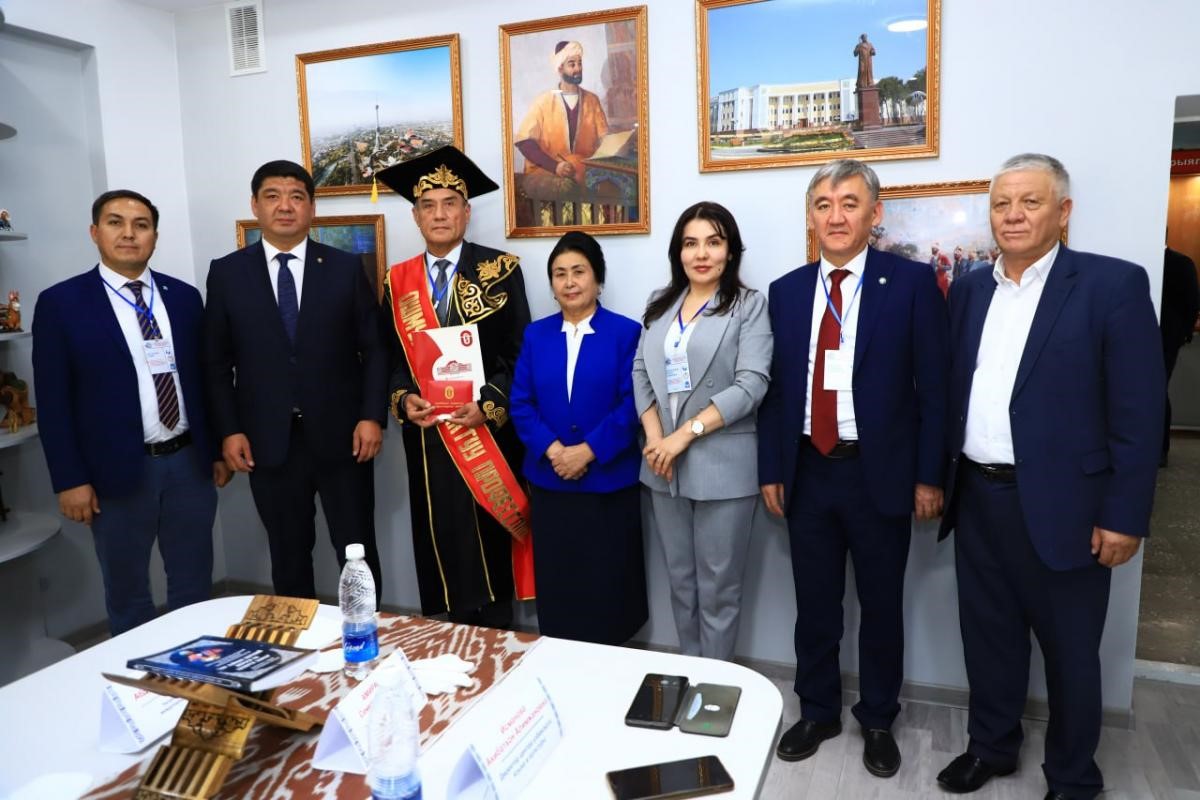
UZBEK LANGUAGE AND CULTURE CENTER, KYRGYZSTAN
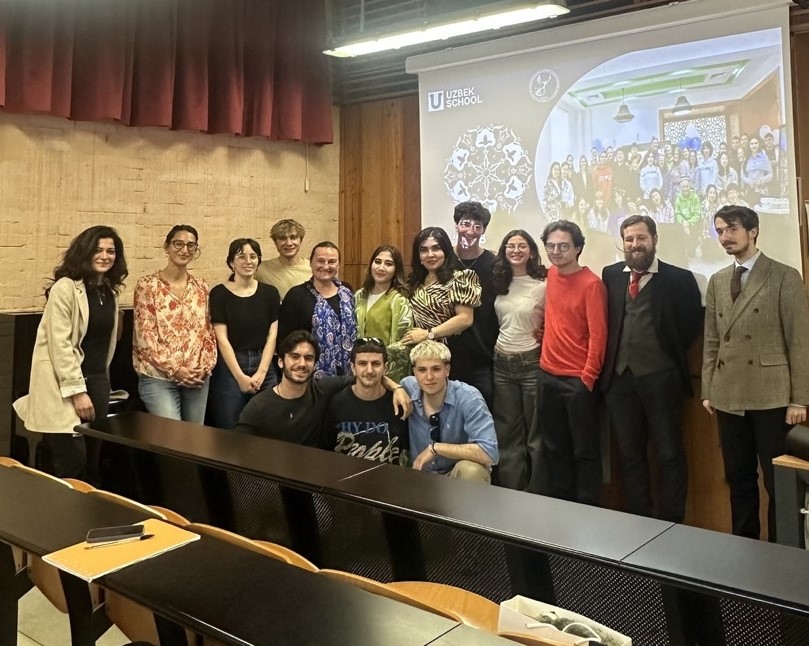
UZBEKISTAN CORNER, ITALY
Online Uzbek language courses are being conducted at the Center for Uzbek Language and Culture of Alisher Navoi Tashkent State University at Bursa Uludağ University (Türkiye), providing instruction to nearly fifty learners and supporting SDG 4: Quality Education through access to multilingual learning. “Uzbek School” initiative regularly offers “Let’s Speak Uzbek” practical workshops for foreign learners, promoting communicative competence and intercultural exchange. Additionally, free Uzbek language classes are held twice a month at the Republican Children's Library for Russian-speaking children, using interactive and child-centered learning activities to foster linguistic inclusion and cultural understanding.
Uzbek language and culture through social media and mass media platforms. They frequently appear on national television channels such as “Uzbekistan 24”, “Yoshlar”, “Ma’naviyat va Ma’rifat”, “Xorijiy tillar”, “MY5”, and “Zo‘r TV” as well as participate in various international and state-level events, becoming genuine cultural ambassadors of Uzbekistan. The students have expressed high satisfaction and positive feedback about the Uzbek language courses, emphasizing the engaging teaching methods, rich cultural content, and the welcoming learning environment. Many highlight that studying Uzbek not only enhances their linguistic competence but also deepens their appreciation of the country’s traditions and values.
The educational activities of “Uzbek School” have attracted notable interest from representatives of the diplomatic corps accredited in Uzbekistan. To date, Uzbek language instruction has been arranged for the Ambassadors of the People’s Republic of China; the United States of America; the United Kingdom of Great Britain and Northern Ireland; the Republic of Indonesia; the Republic of Latvia; the Republic of India; and the State of Israel. This initiative contributes to fostering intercultural communication and strengthening diplomatic dialogue.
Since its establishment, “Uzbek School” has actively engaged in international cooperation with a wide range of global educational and development institutions, including KOICA, DAAD, British Council, TİKA, UNESCO, and JICA. These partnerships are aligned with the objectives of SDG 4: Quality Education and SDG 17: Partnerships for the Goals, focusing on expanding access to multilingual education, enhancing intercultural dialogue, and fostering sustainable academic exchange. Joint initiatives have included the development of Uzbek language programs, adaptation courses for international volunteers, and cultural diplomacy projects. Through collaboration with over 20 international partners and the training of more than 300 foreign participants, “Uzbek School” continues to contribute to inclusive, globally connected education and the promotion of Uzbekistan’s linguistic and cultural heritage.
“Summer School” Program
During the summer term of 2024, “Forward to the East” Summer School was implemented as a joint initiative between TSUULL and German Academic Exchange Service (DAAD). The program was fully supported by DAAD funding and involved six participants who engaged in a three-week intensive academic and cultural program. This initiative contributed to the goals of SDG 4: Quality Education and SDG 17: Partnerships for the Goals, by promoting equitable access to intercultural learning and strengthening international academic cooperation.
The program provided structured instruction in the Uzbek language and facilitated cultural immersion through visits to historical and cultural landmarks, enabling participants to gain a firsthand understanding of national heritage and traditions.
Targeted toward promising students from German higher education institutions, the summer school—held under the theme “The Eastern Renaissance: A Journey through the Uzbek Language and Culture”—offered an integrated curriculum covering the Uzbek language, cultural studies, historical development, and socio-political dynamics. Through this initiative, participants acquired cross-cultural competencies and advanced linguistic skills, while fostering dialogue, mutual understanding, and sustainable academic exchange.
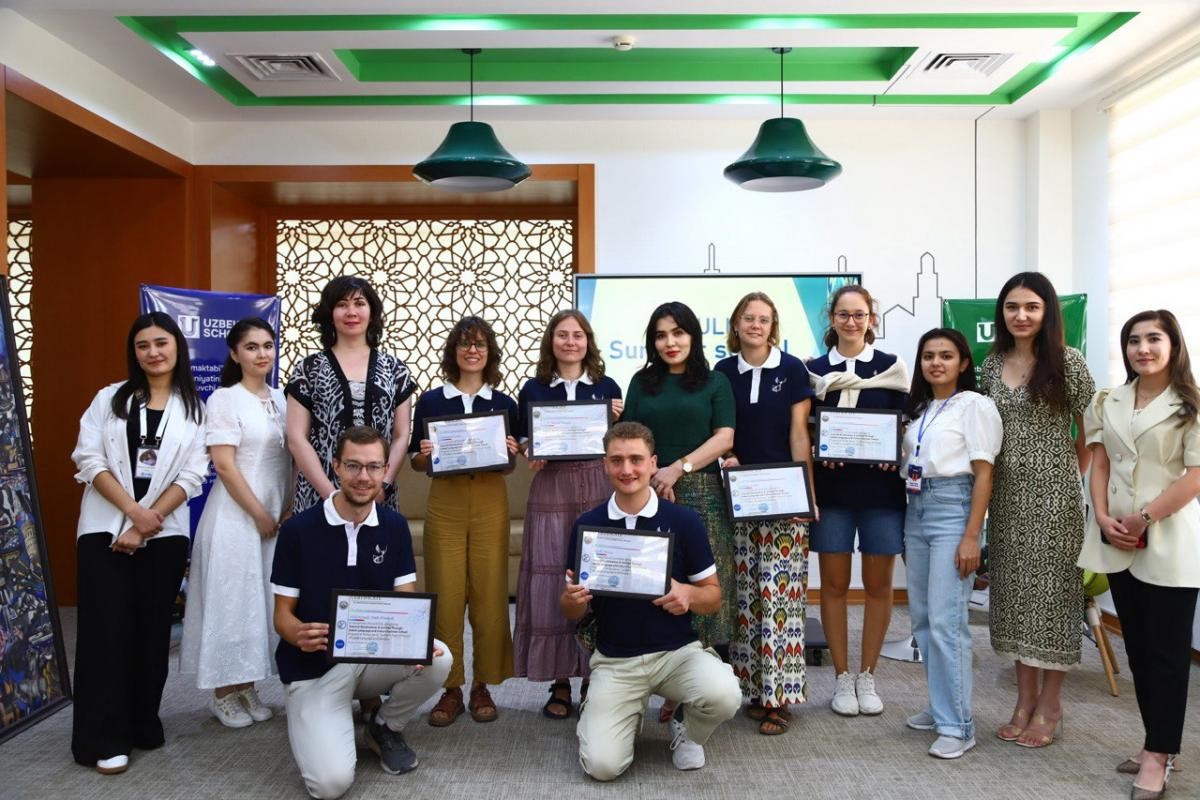
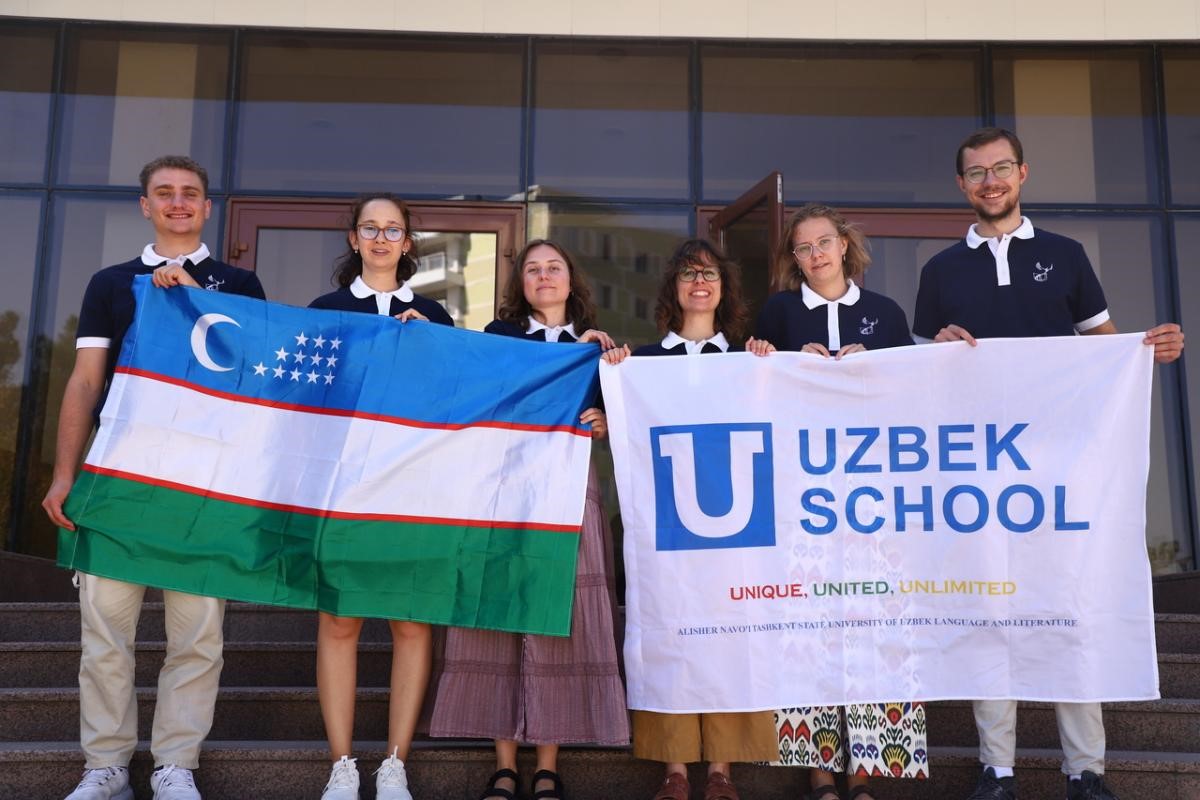
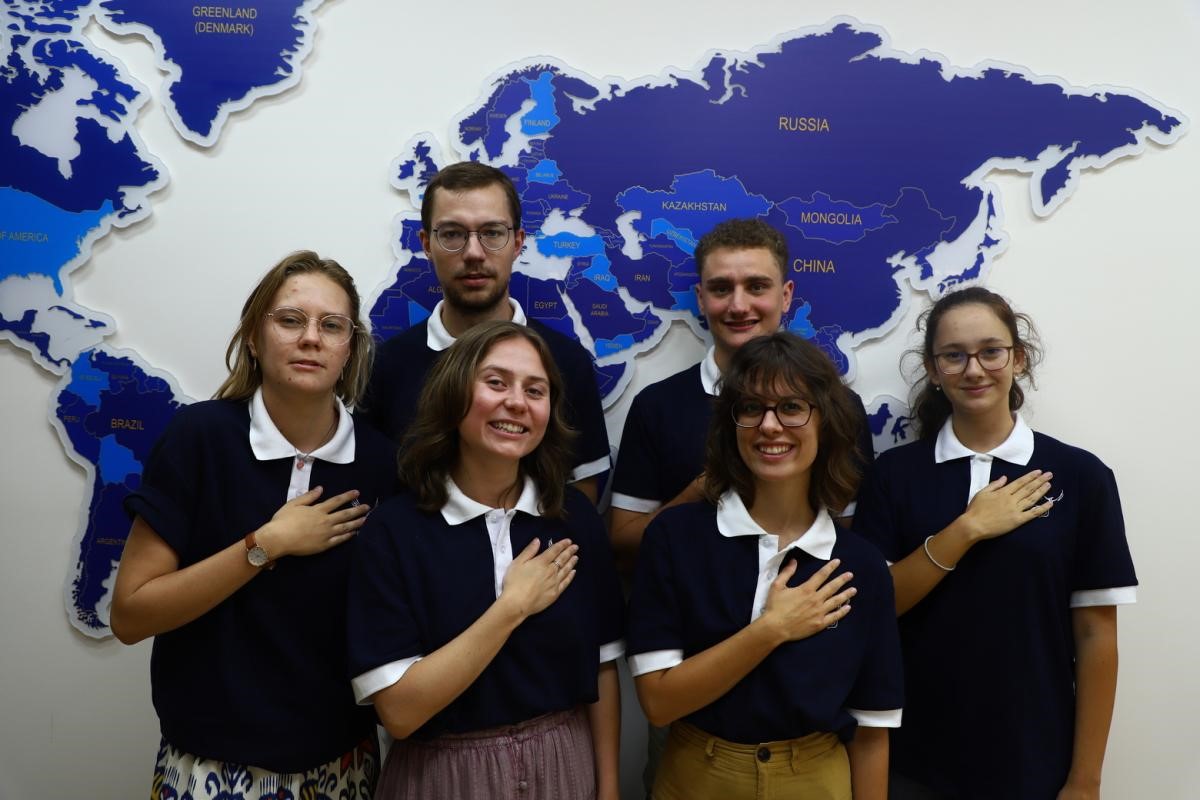
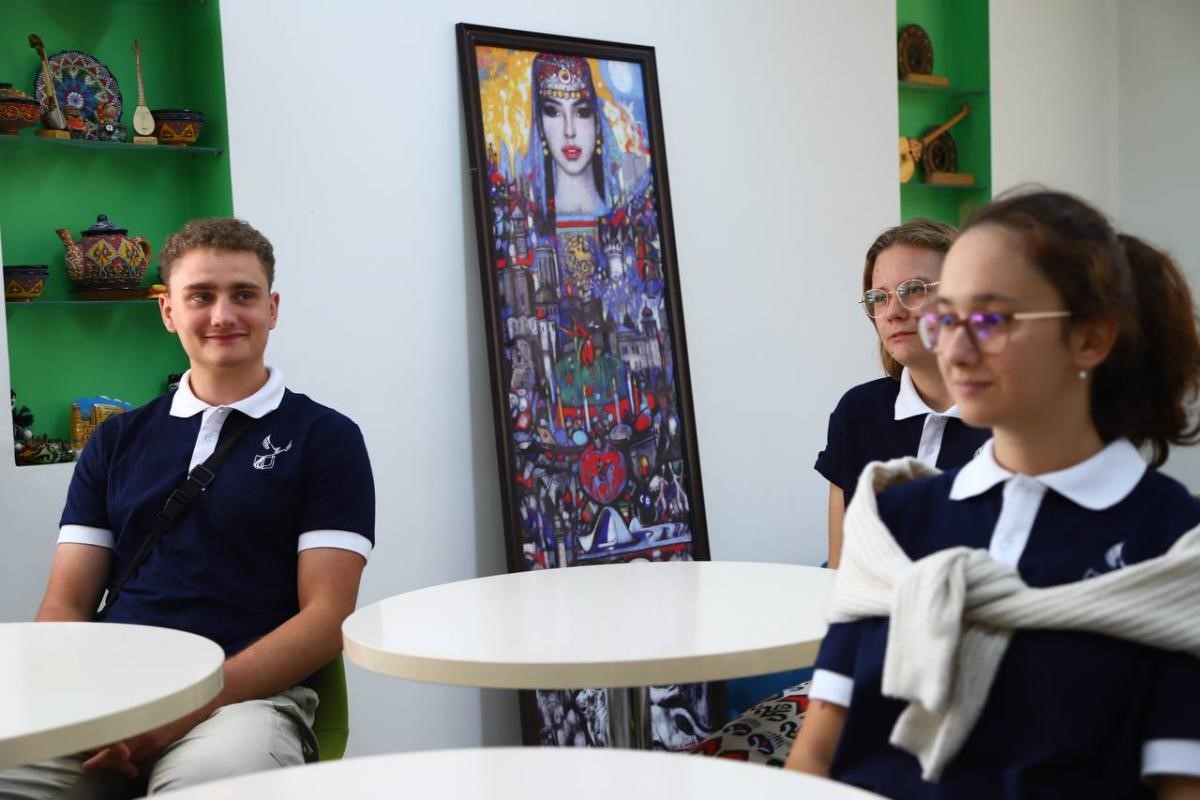
“The Eastern Renaissance: A Journey through Uzbek Language and Culture” Summer School Program
 courses.tsuull.uz
  Instagram
  Email
Email  Facebook
  YouTube
  Telegram