TSUULL’s Executive Education & Vocational Training for the General Public
TSUULL, through the Center for Training and Professional Development in Official Language, provides a wide range of public, non-degree, executive education programmes and vocational training courses that are fully open to individuals not enrolled at the university. These programmes are designed for civil servants, educators, specialists, private-sector employees, and citizens seeking professional upskilling, and directly support national capacity-building in line with Uzbekistan’s state language and administrative reform agenda. Headquartered at TSUULL with 13 regional branches, the Center offers short courses and professional development opportunities focused on official Uzbek-language proficiency, administrative and legal communication, accurate documentation, workplace literacy, methodological support for educators and public-sector staff, as well as digital and e-learning modules—ensuring accessible, flexible training for diverse professional and community groups nationwide.
These training programmes are formally open to all citizens, regardless of professional background, and constitute a key mechanism for enhancing workforce competence, supporting state institutions, and promoting inclusive lifelong learning. Through this Center, TSUULL provides an ongoing, structured system of executive education and vocational training, fully aligned with THE Impact Rankings criteria for public access and short-course provision.
Public Short Courses and Professional Training
Established in 2020, the Center for Official Language Training and Professional Development is a national institution dedicated to strengthening the use of the state language in official communication, documentation, and public administration. Its mission is to promote linguistic accuracy, literary standards, and a culture of clear, ethical and institutionally responsible communication across society.
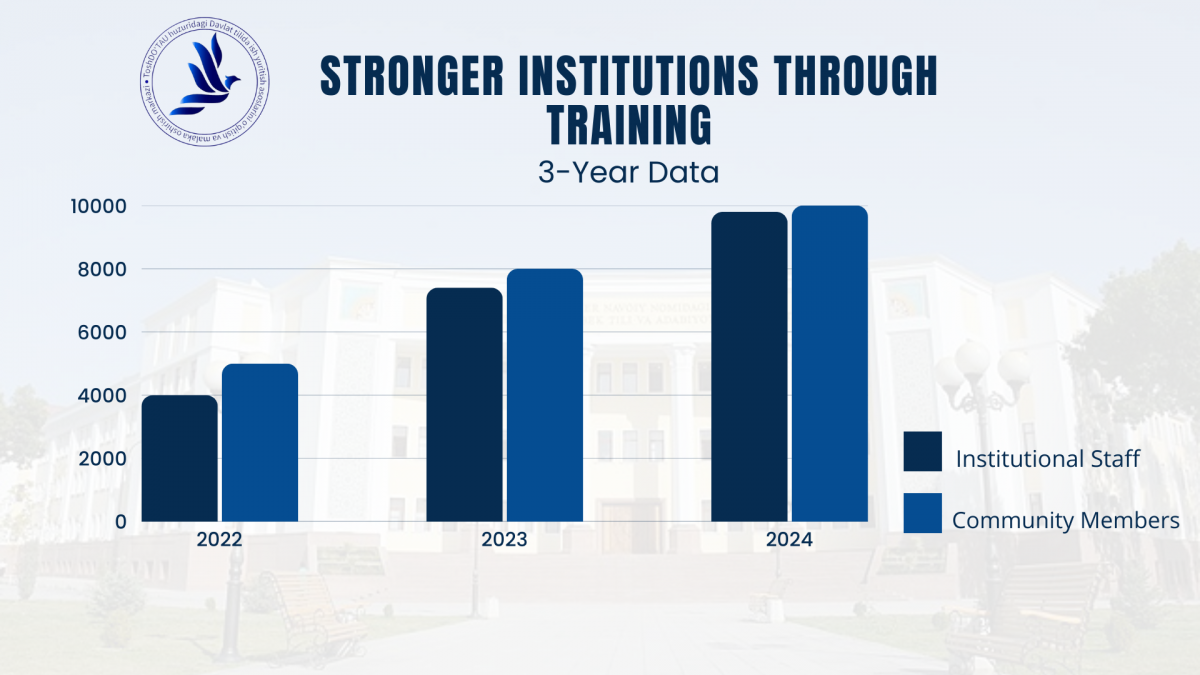
Since its founding, the Center has trained and certified more than 40,000 participants, offering accessible, high-quality short courses and professional development opportunities for public- and private-sector employees, educators, and community members. Operating through its main headquarters in Tashkent and 13 regional branches, the Center provides nationwide instructional, methodological, and advisory services, contributing to stronger institutions, informed citizenship, and effective public engagement. Through these efforts, the Center ensures that its training and institutional work is supported by evidence-based research, wide dissemination of best practices, and continual professional dialogue. This reinforces its role as both a training provider and a thought-leader in the national arena of official-language policy and practice.
Public Seminars, Applied Workshops, and Methodological Support
Beyond formal coursework, the Center regularly hosts public seminars, on-site workshops, and thematic awareness sessions that promote clear, ethical, and standards-based communication across institutions. These engagements bring together representatives of government bodies, universities, schools, media outlets, and private organizations, offering hands-on guidance on:
The Center also provides methodological assistance, expert consultations, and tailored learning materials upon request, helping organizations enhance their internal documentation culture and professional language practices. Through these open, practice-driven initiatives, the Center supports continuous learning and fosters a society-wide commitment to high-quality official communication.
Sector-Focused Professional Upskilling
The Center develops vocational and workplace-oriented training programs requested by institutions across the country. Its curriculum includes 144-hour certified training packages, structured into short thematic modules that address sector-specific communication and documentation needs. These programs are delivered for:
Each training package consists of several focused short courses—ranging from official correspondence and reporting standards to terminology management, service communication, and ethical workplace language. Organizations may enroll individual employees or request institution-specific cohorts, allowing the Center to adapt course content to real documents, workflows, and regulatory requirements.
Course enrollment, schedules, and program descriptions are publicly accessible through the Center’s digital learning portal (edu.dtrm.uz), enabling institutions to select modules that directly support performance improvement, administrative clarity, and professional accountability.
Digital Learning Infrastructure and Structured Online Programs
The Center delivers its training portfolio through the national digital learning platform — edu.dtrm.uz, where participants can enroll, study, complete assessments, and receive electronic certificates. The platform hosts clearly structured online programs, including:
Each program includes recorded video lectures, downloadable guidelines, real document analysis, interactive tasks, and a final competency test. Participants typically complete shorter modules within 1–2 weeks, while the Center’s full professional development programs are organized as 144-hour certified learning packages, delivered in flexible online formats.
Online enrollment is open year-round, allowing individuals and institutions to register for scheduled cohorts or request customized group training. Course pages on edu.dtrm.uz contain syllabi, timelines, instructor information, and certification requirements, ensuring transparent access to program expectations and learning outcomes.
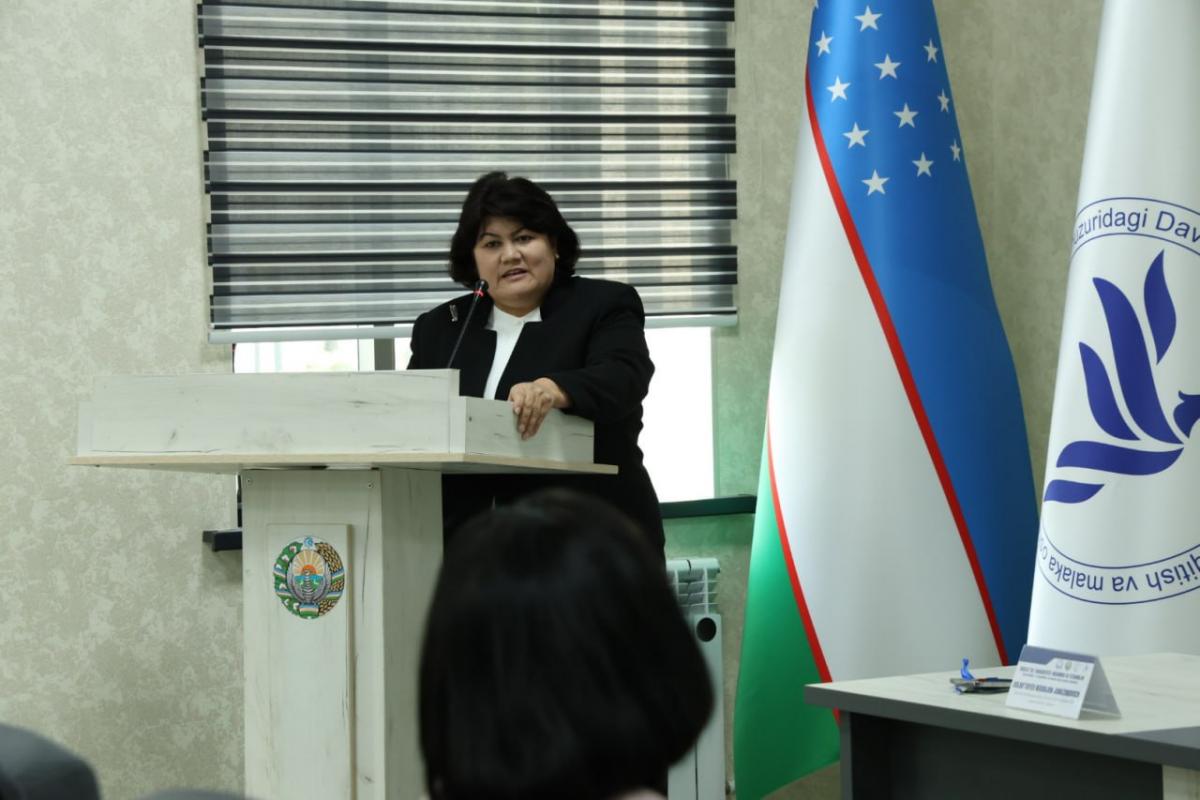

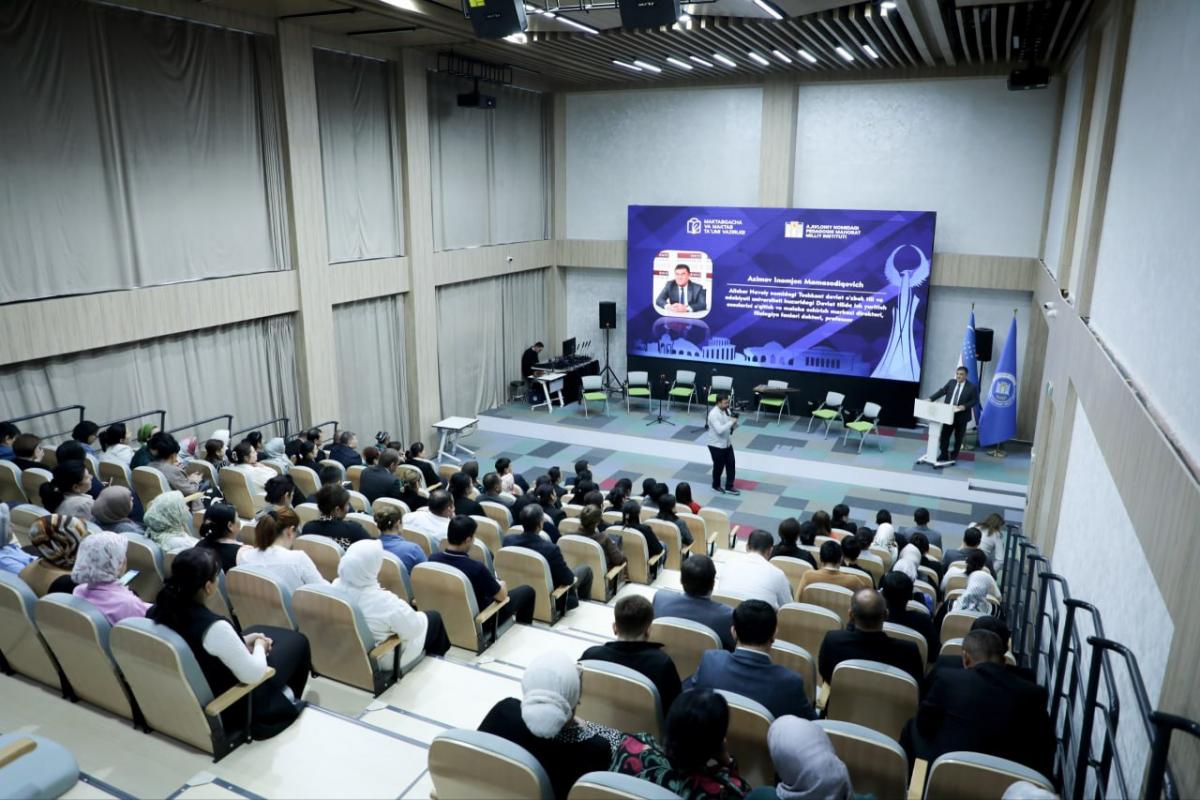
Each year the Center organizes a multi-day national conference focusing on topics such as “State Language in Public Administration”, “Documentary Language Standards”, and “Digitalization of Official Texts”. Approximately 200+ participants from government bodies, universities and private sector organizations attend each event.
The Center has released several practice-oriented manuals, including “Standard Document Templates for Ministries and Agencies” (2023) and “Terminology Management in Official Correspondence” (2024), downloaded over 5,000 times through the Center’s e-library.
Conference outputs are published in the Center’s journal series and monograph collections. For example, the 2024 proceedings titled “Official Language Competence in the Digital Age” include over 30 peer-reviewed articles and have been distributed to more than 150 public institutions.
On a quarterly basis the Center hosts expert webinars on issues such as “Adapting the State Language to Modern Technologies” and “Improving Clarity in Administrative Writing”. These sessions attract average live attendance of 120 participants and are archived online for wider access.
Executive Leadership
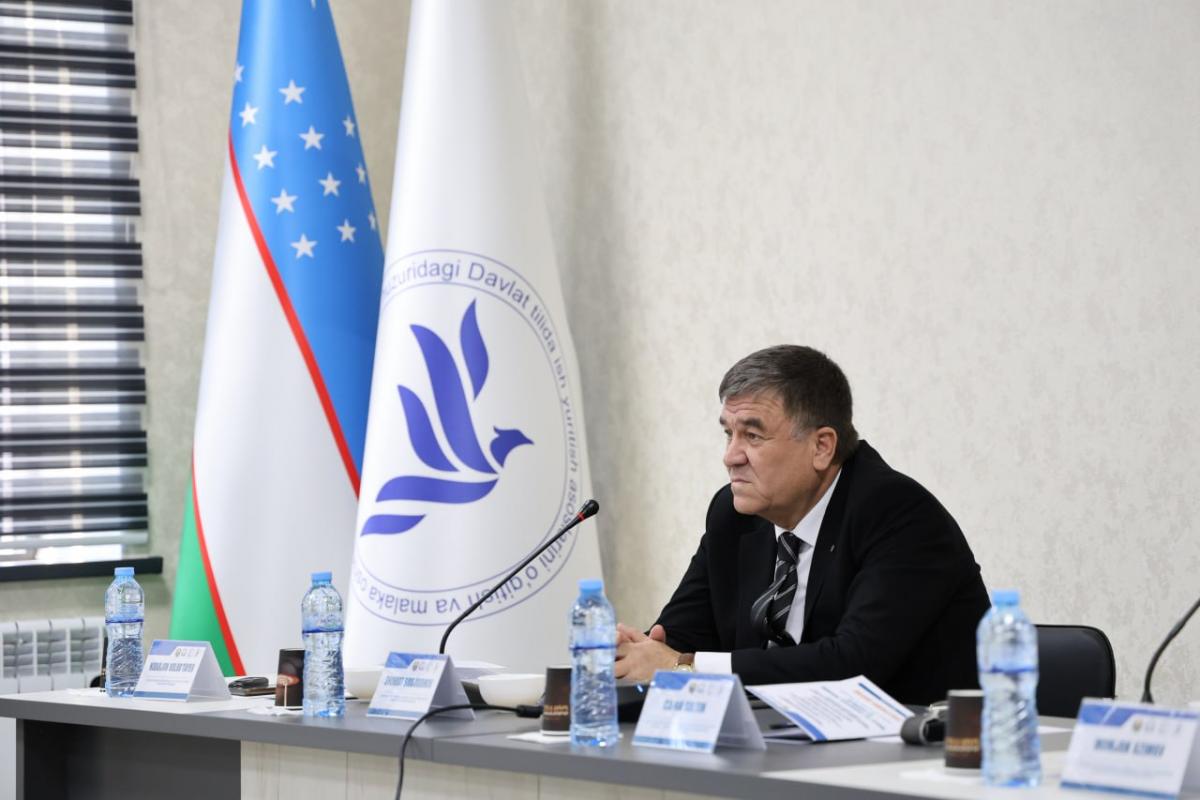
Inomjon Mamasodiqovich Azimov
Director — PhD in Philology, Associate Professor
The Director of the Center and a scholar with extensive academic and administrative experience in Uzbek linguistics, terminology studies, and language policy. His professional background includes leadership roles within higher education and active participation in national initiatives aimed at strengthening the status of the state language. Under his direction, the Center prioritizes accessible, high-quality professional learning, aligns its programs with public-sector needs, and advances the principles of SDG 4 (Quality Education), SDG 16 (Strong Institutions), and SDG 17 (Partnerships for Development). His work contributes to building a linguistically competent, institutionally responsible, and socially engaged workforce across the country.
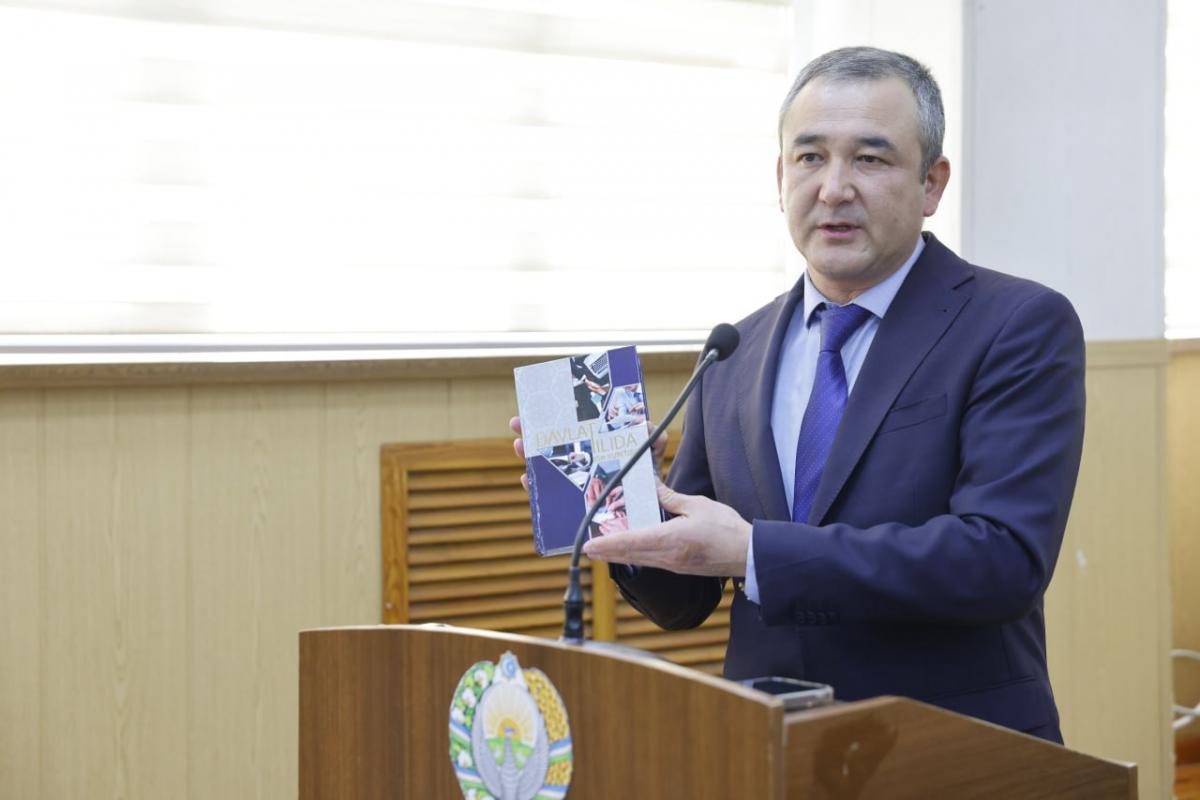
Azizjon G‘ulomjonovich Eminov
Head of Academic and Methodological Development — PhD in Pedagogy, Associate Professor
Dr. Eminov oversees the design, modernization, and quality assurance of the Center’s curriculum, methodological resources, and digital learning materials. With prior leadership experience in higher education management and state language development initiatives, he plays a key role in shaping evidence-based, practice-oriented instructional models. His contributions support lifelong learning opportunities for adult learners, promote educational equity, and reinforce standardized language practices in public administration — directly supporting SDG 4 (inclusive learning) and SDG 16 (transparent, effective governance).