Duration
1 semester (14 weeks)
Next Start Date
September 5
Closing Date
1.700$
Additional Information
Course description
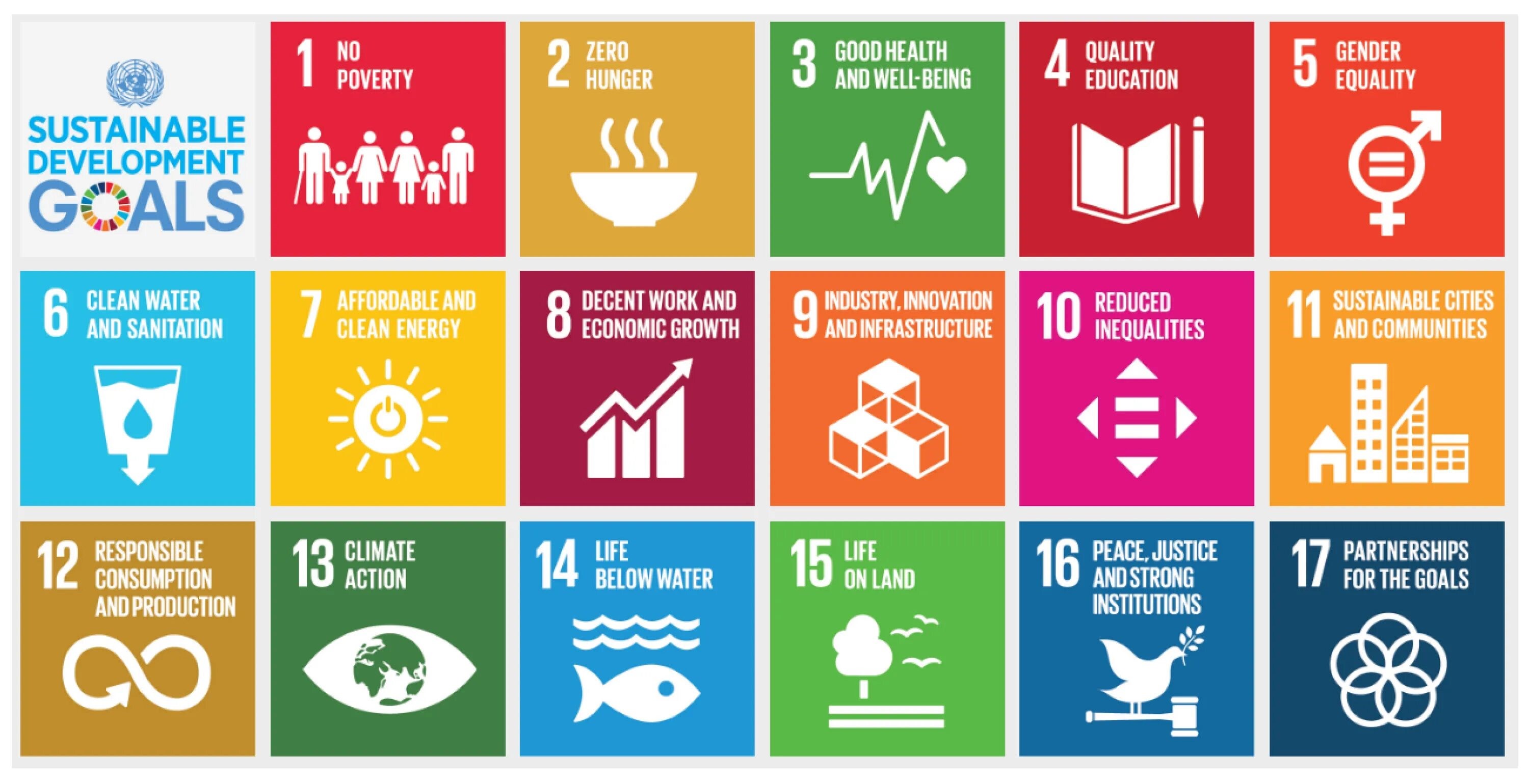
The Education for Sustainable Development (ESD) course provides a comprehensive and interdisciplinary exploration of sustainability and its integration into educational practice. The course examines Sustainable Development as a dynamic and evolving concept that connects environmental protection, social justice, and economic viability. Special emphasis is placed on the United Nations Sustainable Development Goals (SDGs) as a global framework guiding policy, education, and community action worldwide.
Throughout the semester, students engage with key global challenges such as climate change, biodiversity loss, social inequality, poverty, ethical consumption, food and water security, and sustainable urban development. These issues are approached from both global and local perspectives, enabling students to understand how international sustainability agendas translate into national and community-level realities.
The course adopts learner-centered and participatory teaching methods, including interactive lectures, guided discussions, debates, case studies, group work, and reflective activities.
Students are encouraged to think critically, question assumptions, and explore the interconnected nature of sustainability challenges using systems thinking. Practical components of the course focus on experiential learning, allowing students to apply theoretical knowledge to real-life situations through project-based tasks and collaborative problem-solving.
A central component of the course is the final group project, in which students design a simple yet meaningful ESD-related initiative, awareness campaign, or educational activity aimed at a specific target audience. This project enables students to develop planning, teamwork, communication, and impact-assessment skills while fostering a sense of social responsibility and active citizenship.
By the end of the course, students will have developed not only a solid academic understanding of Sustainable Development and ESD principles but also the values, competencies, and motivation necessary to contribute positively to sustainable development efforts in their academic, professional, and community contexts.
Course Objectives
By the end of this course, students will be able to:
• CO1: Understand the basic concepts, historical background, and global importance of Sustainable Development and the UN Sustainable Development Goals (SDGs).
• CO2: Examine sustainability issues from environmental, social, and economic perspectives.
• CO3: Identify local and global sustainability challenges and suggest practical, context-based solutions.
• CO4: Use systems thinking, critical thinking, and teamwork to solve real-world sustainability problems.
• CO5: Create and present a simple Education for Sustainable Development (ESD) activity or awareness project for a specific audience.
• CO6: Reflect on personal values, daily behaviors, and responsibilities related to sustainable living and active citizenship.
• CO7: Communicate sustainability ideas clearly and effectively in written assignments and oral presentations.
The Education for Sustainable Development (ESD) course introduces students to sustainability as a global and interdisciplinary concept and explores the role of education in addressing complex societal challenges. The course is aligned with the United Nations Sustainable Development Goals (SDGs) and emphasizes both theoretical understanding and practical application.
• The course focuses on:
• Environmental sustainability and climate-related challenges
• Social equity, inclusion, and justice
• Economic sustainability and responsible consumption
• Systems thinking and interconnections between global issues
• Education as a tool for sustainable change and active citizenship
This course is offered as an elective and is open to undergraduate students from a wide range of academic disciplines.
The course is suitable for students who:
• Are interested in sustainability, development, or global challenges
• Study education, social sciences, humanities, economics, or environmental fields
• Wish to develop critical thinking and problem-solving skills
• Are motivated to contribute to positive social and environmental change
No prior knowledge is required. The course is designed as an introductory-level module and is accessible to students with diverse academic backgrounds.
Students will:
• Learn key concepts from the basics
• Gradually build understanding through guided learning
• Develop confidence in discussing sustainability issues
• Apply new knowledge through practical activities
The course is delivered entirely in English.
Students are expected to:
• Participate actively in discussions and group work
• Complete written assignments and reflections in English
• Deliver oral presentations as part of the final project
The course uses a continuous assessment approach rather than a traditional final exam.
Assessment components include:
• A project portfolio documenting learning activities and reflections
• A final group project focused on an ESD initiative or awareness activity
• Evaluation of participation, collaboration, and engagement
• Assessment of critical thinking, creativity, and communication skills
Students work in small groups to design and present a practical ESD-related project.
Project formats may include:
• Sustainability awareness campaigns
• Educational activities or workshops
• Community-based sustainability initiatives
• Proposals for sustainable practices in educational or public settings
Projects emphasize:
• Real-world relevance
• Feasibility and impact
• Teamwork and shared responsibility
The course consists of two sessions per week, each lasting 1.5 hours, combining lectures and practical learning.
In addition to class time, students should expect to:
• Prepare for discussions and activities
• Conduct independent reading or research
• Collaborate with group members outside class
• Develop and refine their final project
Yes. The course strongly emphasizes active, participatory, and experiential learning.
Learning methods include:
• Case studies and real-life examples
• Group discussions and debates
• Reflective exercises and self-assessment
• Collaborative problem-solving tasks
• Project-based learning
• What skills will I gain from this course?
Students who successfully complete the course receive academic credit in accordance with university regulations.
Please note:
• The course is part of the formal curriculum
• No separate certificate is issued unless specified by the university
• Credits contribute to degree completion requirements
Course Details
Course Title: Education for Sustainable Development
Course Type: Elective
Duration: 1 Semester (14 weeks)
Form: Optional
Total Hours: 42 hours
Lectures: 28 hours
Practical sessions: 14 hours
Lesson Duration: 1.5 hours
Sessions per Week: 2
Assessment Method: Project Portfolio & Final Group Project
Language of Instruction: English
This unit introduces the foundational concepts of Sustainable Development and establishes a common conceptual framework for the course. Students explore the historical evolution of sustainability thinking and its relevance to contemporary global challenges.
Key Concepts include:
• Definition and principles of Sustainable Development
• Environmental, social, and economic pillars of sustainability
• The Brundtland Report and its global significance
Learning Activities:
• Structured debate on “Needs vs. Wants” in modern societies
• Individual reflection and discussion on personal visions of a sustainable world
Learning Resources:
• Summary of Our Common Future (Brundtland Report)
• Documentary materials on global sustainability challenges
This unit examines the UN SDGs as a comprehensive global framework for sustainable development, highlighting their interdependence and practical relevance.
Key Concepts include:
• Overview of the 17 Sustainable Development Goals
• The 5Ps framework: People, Planet, Prosperity, Peace, and Partnership
• Global and national implementation of the SDGs
Learning Activities:
• Mapping and analyzing interconnections between selected SDGs
• Group or individual presentation on a chosen SDG
Learning Resources:
• Official UN SDG targets and indicators
• UN-produced SDG awareness and promotional videos
This unit focuses on environmental sustainability, with particular attention to climate change and ecological systems.
Key Concepts include:
• Basic climate science and human impact on the environment
• Biodiversity loss and ecosystem degradation
• Principles of the circular economy
Learning Activities:
• Case study analysis of a local or regional environmental issue
• Debate on shared responsibilities for climate action
Learning Resources:
• IPCC Summary for Policymakers
• Selected excerpts from An Inconvenient Truth
This unit explores sustainability through a social justice lens, emphasizing equity, inclusion, and human well-being.
Key Concepts include:
• Poverty and income inequality
• Gender equality and social inclusion
• Access to education, healthcare, and opportunities
Learning Activities:
• Community-based equity assessment
• Role-play exercises addressing social justice dilemmas
Learning Resources:
• Case studies on microfinance and inclusive development
• TED Talk on social innovation and change-making
This unit introduces alternative economic models that support sustainability and ethical decision-making.
Key Concepts include:
• Green economy and sustainable development models
• Corporate Social Responsibility (CSR)
• Degrowth and ethical consumption
Learning Activities:
• Calculation and reflection on personal ecological footprints
• Group pitch of a sustainable or socially responsible business idea
Learning Resources:
• Doughnut Economics framework
• Case studies of successful social enterprises
This unit examines the sustainability of global food and water systems and their impact on human well-being.
Key Concepts include:
• Global and local food systems
• Water scarcity and resource management
• Sustainable agriculture practices
Learning Activities:
• Tracing the journey of a food product from production to consumption
• Designing a sustainable and nutritious school meal plan
Learning Resources:
• Academic articles on urban and sustainable farming
• Documentary materials on global water conflicts
This unit focuses on urban sustainability and the development of inclusive, resilient, and livable communities.
Key Concepts include:
• Sustainable urban planning principles
• Green buildings and energy efficiency
• Public transportation and waste management systems
Learning Activities:
• Campus or neighborhood sustainability audit
• Group discussion on improving local urban sustainability
Learning Resources:
• The “15-minute city” concept
• Virtual tours of internationally recognized sustainable cities
This unit introduces Education for Sustainable Development as a pedagogical approach and explores effective teaching strategies.
Key Concepts include:
• Holistic and interdisciplinary learning
• Transformative and action-oriented education
• Learner-centered and participatory teaching methods
Learning Activities:
• Development of an engaging lesson hook related to sustainability
• Micro-teaching of a 5-minute ESD concept
Learning Resources:
• UNESCO ESD Guidelines
• Sample classroom activities and teaching tools
This unit supports students in planning, developing, and refining their final group projects.
Key Concepts include:
• Project design and planning principles
• Stakeholder identification and engagement
• Measuring impact and sustainability outcomes
Learning Activities:
• Group brainstorming and project outlining
• Peer review and constructive feedback sessions
Learning Resources:
• Project management templates
• Examples of successful student-led sustainability projects
$1.700*
This indicative annual fee is based on one year study load of 14 subjects (68 credit points)
If you are a domestic student, you can apply through our TSUULL Application system which is free of charge.
Domestic students are:
• Uzbekistan citizens
• Karakalpagistan Republic Citizens
• Uzbekistan permanent residents
• Karakalpagistan Republic permanent residents
Scholarships
At Alisher Navo’i Tashkent State University of Uzbek Language and Literature, we are proud to offer a range of scholarships that acknowledge students with a deep commitment to the Uzbek language, literature, and culture. Our scholarships reward those who demonstrate academic excellence, active engagement within their communities, and outstanding leadership. Through donor-funded support, we also ensure that scholarships are accessible to students based on their academic achievements and financial needs. Additionally, specific scholarships are available for degrees in translation, linguistics, and Uzbek literature, fostering excellence and dedication to advancing Uzbek language and literature studies.