
Community Feedback
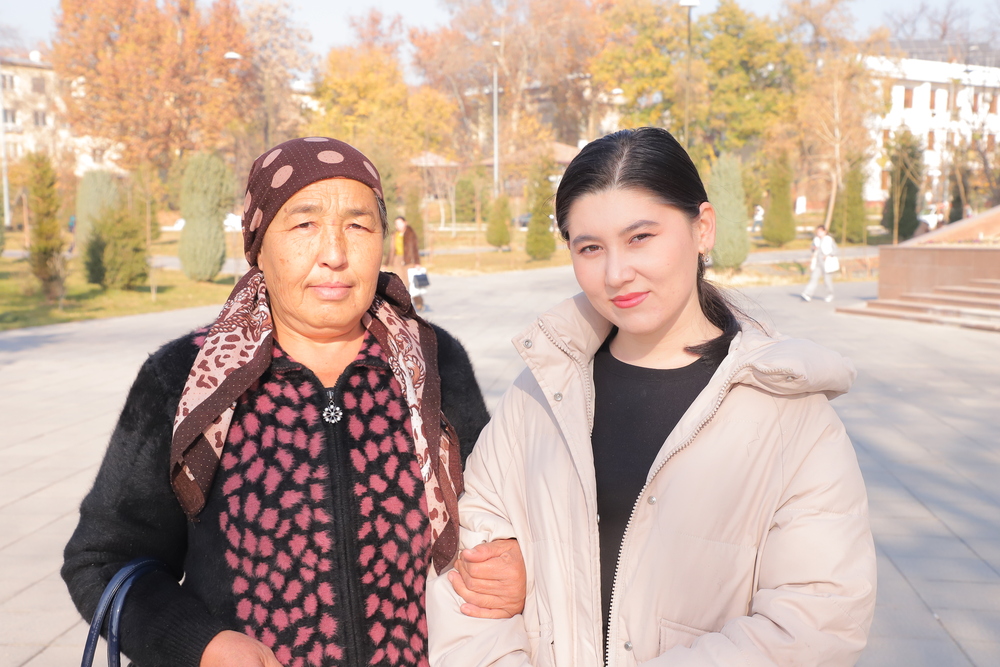
Makhfirat Abdullaeva, 68, resident of Navbahor mahalla
We have lived in this mahalla all our lives, and it used to be very difficult for me to go outside — especially with my joint problems. The entrance to the pedestrian underpass was steep and had no handrails. After the monitoring visits carried out by the University team and the city engineers, safe ramps and a renovated underpass were finally built. Now I can go to the clinic and the market on my own. This has made daily life much easier for us, especially elderly residents. We are grateful that our concerns were heard and real improvements were made.
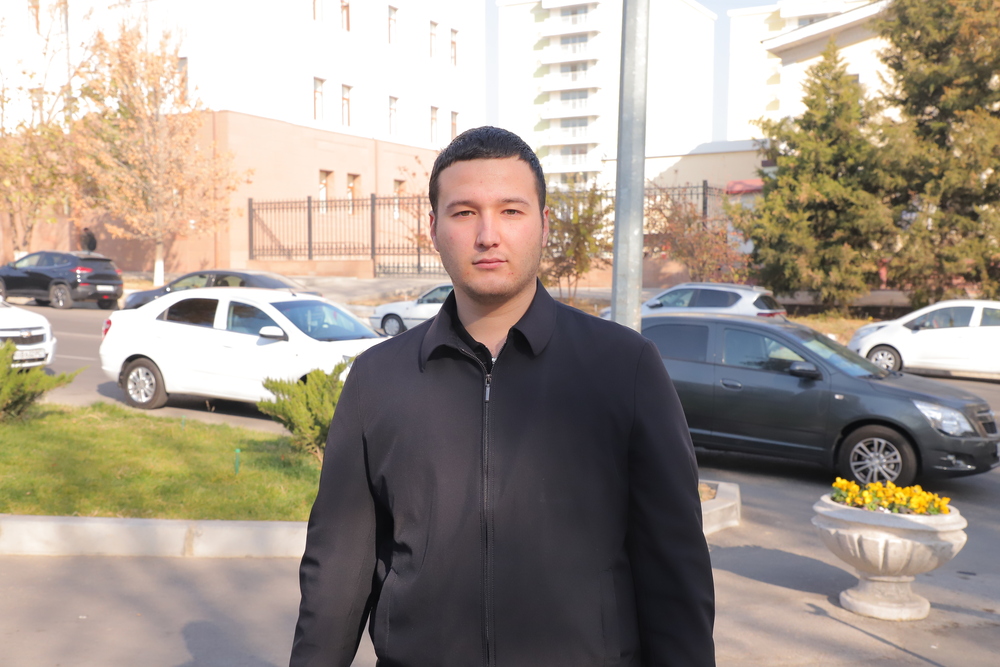
Khamidbek O‘rolov, TSUULL student, resident of Konstitutsiya mahalla
I come from a low-income family, and for many years entering a university felt out of reach for me. When TSUULL launched free preparatory courses in our mahalla, I joined with the hope of at least improving my language skills. The teachers supported us not only academically but also morally — they believed in us even when we doubted ourselves.
Thanks to these courses, I was able to prepare for the entrance exams and successfully earn a place at TSUULL. The University has continued to support me after admission — providing access to learning resources, mentorship, and financial assistance that has made it possible for me to continue my studies without putting pressure on my family.
I am proud to be a student of TSUULL, and I am grateful that the University gives real opportunities to young people like me who simply need a chance to prove themselves.
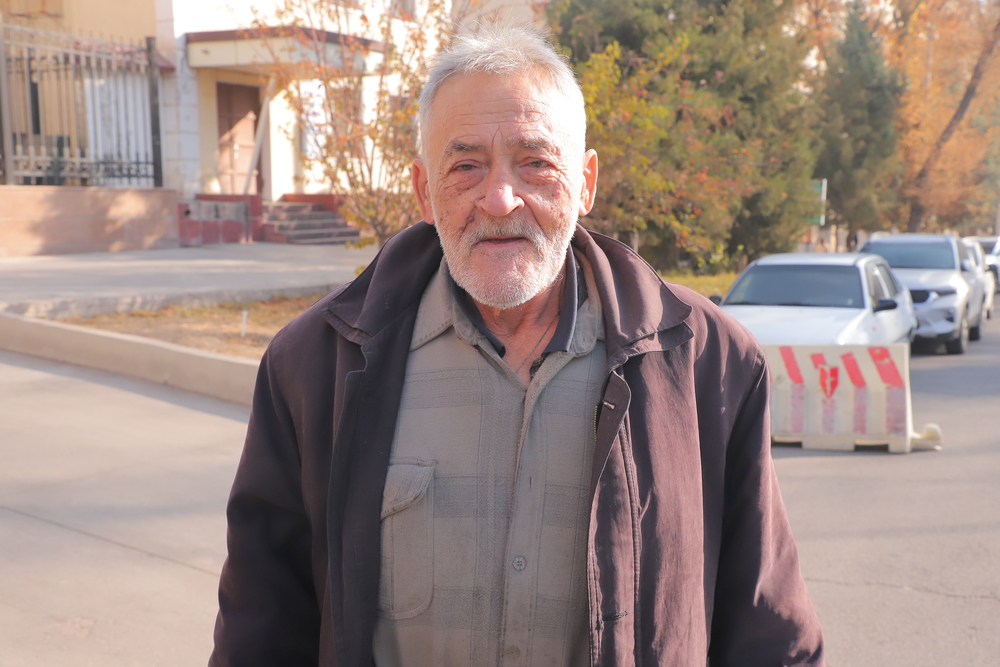
Mikhail Smirnov, 68, resident of Shohjakon mahalla
As an elderly resident living on a modest pension, I have often struggled with the complicated procedures required to receive social assistance. Before the reform, every application meant collecting multiple certificates, visiting different offices, and waiting in long queues — which was extremely difficult for someone my age. This year, when the new digital model of social support was introduced under the 2024 reform, I felt the difference immediately. Thanks to the work of the National Working Group on Poverty Reduction — especially the efforts of Rector–Deputy Sirojiddinov, who coordinated consultations with communities like ours — the process has become far simpler and more transparent. Now, with the unified digital registration system and the Social Card, I no longer need to submit the same documents over and over again. Verification happens automatically, and the mahalla office can track my application in real time. For older people, this is a huge relief. I am grateful that the concerns of ordinary residents were taken seriously and that our feedback helped shape these reforms. For the first time in many years, accessing social assistance feels fair, respectful, and efficient. It has made my life — and the lives of many others in our mahalla — much easier.
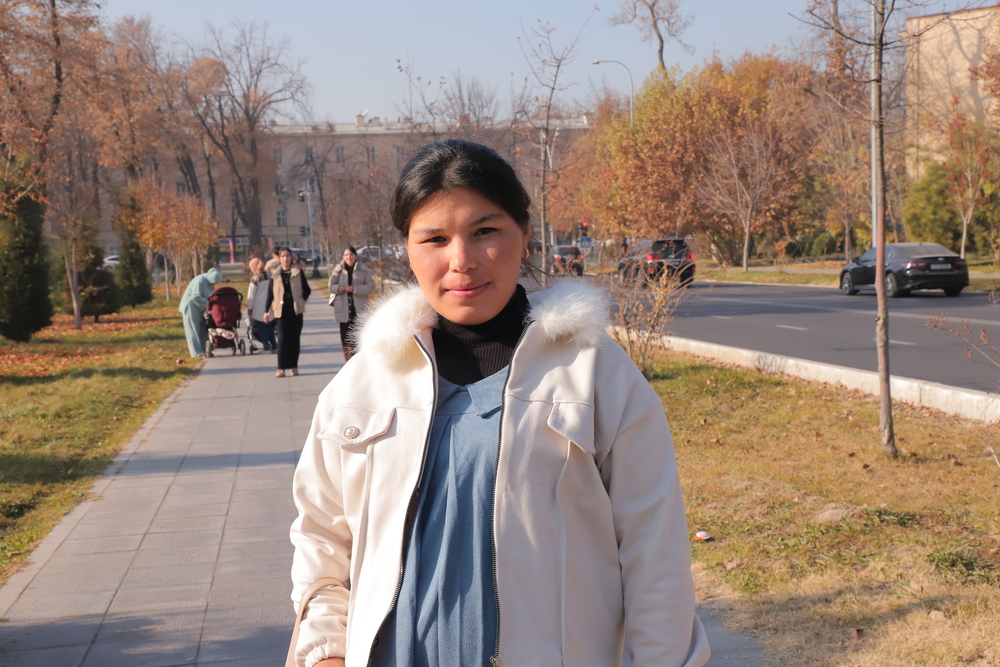
Gulirano Pulatova, 32, homemaker, resident of Tepa mahalla
As a homemaker with limited experience in technology, I used to feel completely lost when it came to digital platforms. I relied on others even for simple tasks like submitting online applications or using government services. When TSUULL offered free digital literacy courses in our mahalla, I joined with the hope of gaining at least some basic skills. The instructors were patient and supportive, and the training was very practical. Step by step, I learned how to use a computer, navigate online services, and work with essential applications. For me, this was life-changing. Not only did I become more confident in using modern technologies, but I was also able to find stable employment afterwards. The skills I gained opened new opportunities that I never imagined were possible for someone like me.
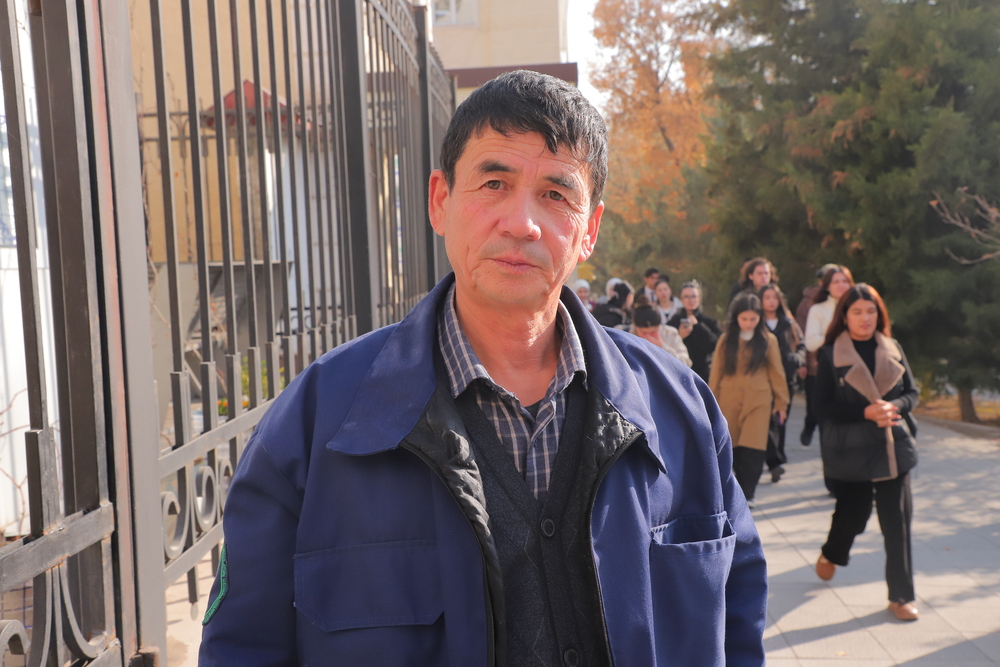
Iskandar Rakhimov, 62, resident of Shohjakon mahalla
I decided to join the free sign-language courses offered by TSUULL because my hearing has been gradually weakening over the years, and communication was becoming more difficult for me. I often felt isolated, even in my own community. The courses helped me far more than I expected. The instructors taught us not only the basics of sign language but also how to communicate confidently in everyday situations. Thanks to this training, I can now interact freely with my neighbours who have hearing impairments, and even help them during visits to the clinic or mahalla office. Most importantly, I no longer feel cut off from people. The skills I gained restored my ability to participate in community life and support those facing the same challenges.