
In 2024, we developed a survey to assess students’ knowledge, skills, and attitudes towards key sustainability concepts. Over the past year, this tool has been actively used to monitor and evaluate sustainability awareness across the university.
The results indicate a positive trend compared to the initial phase, with students demonstrating improved understanding and engagement with sustainability principles. This progress reflects the impact of our continued efforts to integrate sustainability and the Sustainable Development Goals (SDGs) into teaching, learning, and campus activities.
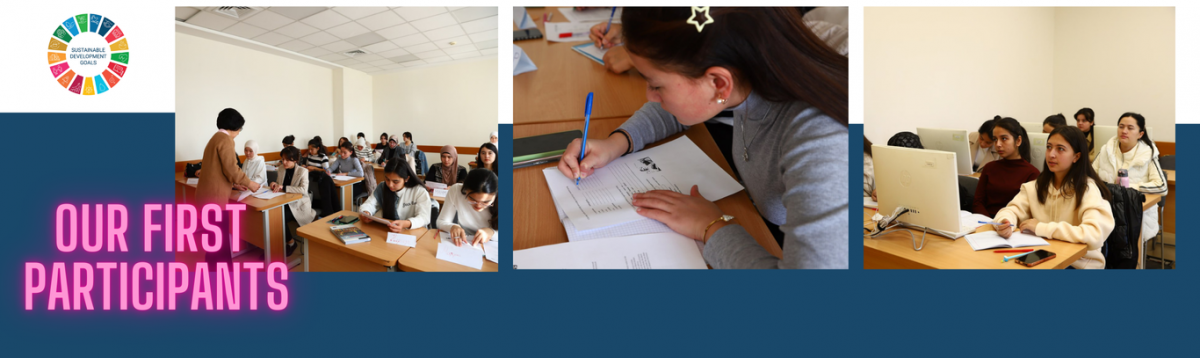
Over the past year, we have actively continued to assess how effectively our students are developing sustainability literacy. Building on the survey introduced in 2024, we have conducted ongoing research into TSUULL students’ knowledge and awareness across key Sustainable Development Goals (SDGs).
As part of this initiative, we have significantly expanded our public lectures and educational activities through our Global Goals in Action platform. These sessions bring together experts from various sectors and provide students with practical insights into sustainability challenges and solutions.
For example, students have engaged in lectures such as:
• SDG 6 (Clean Water and Sanitation): “Value of Water in the Era of SDGs”, focusing on water sustainability and resource management
• SDG 5 (Gender Equality) & SDG 8: “Understanding the Cost of Violence Against Women in Central Asia”, addressing social and economic dimensions of inequality
• SDG 4 (Quality Education): “What Makes Education Good”, exploring standards and access to quality education
• Additional lectures promoting gender equality, including “The Power of Language”, highlighting the role of communication in achieving inclusive societies
These examples demonstrate how sustainability education at TSUULL goes beyond theory, integrating real-world perspectives into the learning process. Over the past year, such initiatives have contributed to measurable improvements in students’ awareness and understanding of sustainability concepts.
You may also be interested in the latest statistics tracking student participation across different areas of study. Over the past year, we have enhanced our data collection and analysis processes to better monitor engagement and learning outcomes.
We continue to collaborate with our partners to further refine methods for assessing sustainability literacy. If you have any suggestions or would like to contribute your expertise, please contact us at interdep@navoiy-uni.uz.
Our survey now allows us to track how sustainability literacy develops throughout students’ academic journey at TSUULL. By adopting a longitudinal approach, we compare the results of first-year students with those of graduating cohorts, providing valuable insights into learning progression.
Participation and Statistical Confidence
Over the past year, participation in the sustainability survey has increased significantly. Initial student data showed 49 responses in September and 75 responses in October, with completion rates of 79% and 98% respectively.
As awareness grew, participation continued to rise, supported by curriculum integration and campus-wide engagement. This has improved both the reliability and representativeness of the data.
The survey includes 10 questions assessing key sustainability concepts. Results show improvement in student performance, with average scores increasing from 7 out of 10 to 8 out of 10.
In addition to students, we have expanded the assessment to include academic and administrative staff. In the initial phase, 200 staff members participated in the survey. Over the past year, this number increased to 220 staff participants, with an average score of 8 out of 10, indicating strong sustainability awareness across the institution.
| Month | Completion Rate | Error Rate | Response Number | Average Score |
| September | 79% | 32% | 49 | 7/10 |
| October | 98% | 20% | 75 | 8/10 |
Updated Table 1.2 Year-to-Year Comparison of Sustainability Survey Results (Students & Staff)
| Group | Year | Participation | Completion Rate | Average Score |
| Students | 2024 (Initial Phase) | 124 responses | 79% - 98% | 7-8/10 |
| Students | 2025 (Follow-up Year) | 250 responses | 80% - 98% | 8/10 |
| Staff | 2024 (Initial Phase) | 200 participants | 80% - 85% | 7-8/10 |
| Staff | 2025 (Follow-up Year) | 220 participants | 90% - 95% | 8/10 |
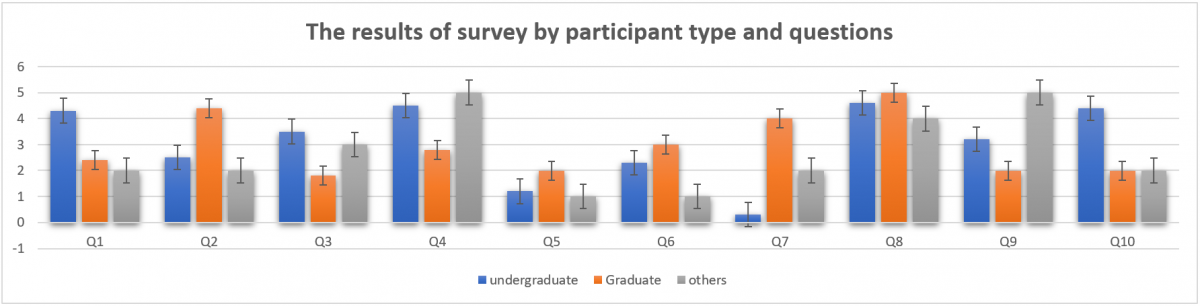
Figure 1.3 Year-to-Year Comparison of Results
Figure 1.3 illustrates the progression of sustainability literacy between 2024 and 2025. The data shows increased participation, higher completion rates, and improved average scores. Error rates have decreased, indicating a stronger understanding of sustainability concepts.
Overall, the results demonstrate the effectiveness of educational initiatives and confirm continuous improvement in sustainability awareness across both students and staff.
Sustainable Development Goals (SDGs) Context
The United Nations Sustainable Development Goals (SDGs), established in 2015, provide a global framework of 17 interconnected goals addressing challenges such as poverty, inequality, climate change, and education.
At the centre of this framework is SDG 4: Quality Education, which promotes inclusive and equitable learning opportunities. At TSUULL, aligning education with the SDGs equips students with the knowledge and skills needed to address global challenges.
For Uzbekistan, the SDGs support national priorities such as improving education quality, promoting gender equality, and fostering sustainable development. TSUULL contributes to these goals by embedding sustainability into its curriculum, research, and institutional activities.
Through these efforts, the university is developing socially responsible graduates capable of contributing to both national and global progress.
Ongoing Development and Collaboration
We continue to collaborate with partners to improve methods for assessing sustainability literacy. If you have suggestions or would like to contribute expertise, please contact us at interdep@navoiy-uni.uz
Our survey now enables us to track how sustainability literacy evolves throughout students’ academic journey. Using a longitudinal approach, we compare first-year and graduating students, providing valuable insights into learning progression.
Call to Action
Are you one of our students and interested in assessing your knowledge of sustainability? Take part in our survey and share your results with us.
The SDGs are a set of 17 global objectives established by the United Nations in 2015 to address critical issues like poverty, inequality, climate change, and quality education. These goals aim to ensure a sustainable, inclusive, and peaceful world by 2030.
SDG 4 focuses on ensuring inclusive and equitable education for all. Education plays a key role in achieving all the other SDGs by empowering individuals with the knowledge, skills, and awareness to address global challenges such as poverty, inequality, and environmental degradation.
Our students can contribute to the SDGs by participating in university initiatives, such as organizing events and campaigns focused on issues like gender equality and quality education. They can also engage in community projects that address local challenges, such as volunteering for education outreach or environmental sustainability. Through academic work, students can focus on SDG-related research, helping to solve real-world problems. By getting involved, students not only contribute to the SDGs but also gain valuable skills for their future careers.
The SDGs are highly relevant to Uzbekistan as they address the country’s key challenges, including improving education quality (SDG 4), promoting gender equality (SDG 5), fostering economic development (SDG 8), and ensuring environmental sustainability (SDG 13). By adopting the SDGs, Uzbekistan can enhance its development and improve the quality of life for its people.
If you have any suggestions or requests, please contact us.
Contact: (+998 71) 281 45 11
E-mail: interdep@navoiy-uni.uz