Water Conservation Program & Implementation
The university is committed to the responsible and sustainable management of water resources through a comprehensive Water Conservation Program. The program combines modern infrastructure, efficient technologies, regular monitoring, and community awareness to reduce water loss and ensure the effective use of available water across the campus. It supports the university’s broader environmental goals by integrating water-saving measures into daily campus operations and long-term development plans.
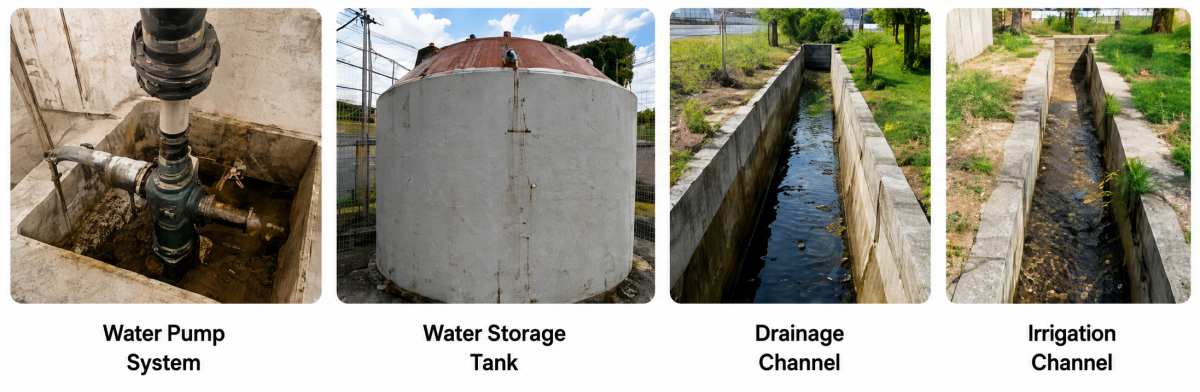
The campus water infrastructure includes a water pump system, a water storage tank, drainage channels, and irrigation channels. In addition, the university maintains five reservoirs, three retention ponds, and six recharging pits. These facilities help collect, store, distribute, and manage water efficiently. The drainage and irrigation channels support the controlled movement of water, while reservoirs and retention ponds provide additional capacity for water collection and storage.
A key component of the program is the continuous monitoring and maintenance of the water supply system. Regular inspections are carried out to identify damaged pipes, inefficient equipment, and possible leakage points. Leak-monitoring systems and a smart mobile application support the early detection of problems, enabling the responsible units to take prompt corrective action. Sustainable maintenance practices also help improve the reliability of the infrastructure and prevent unnecessary water loss.
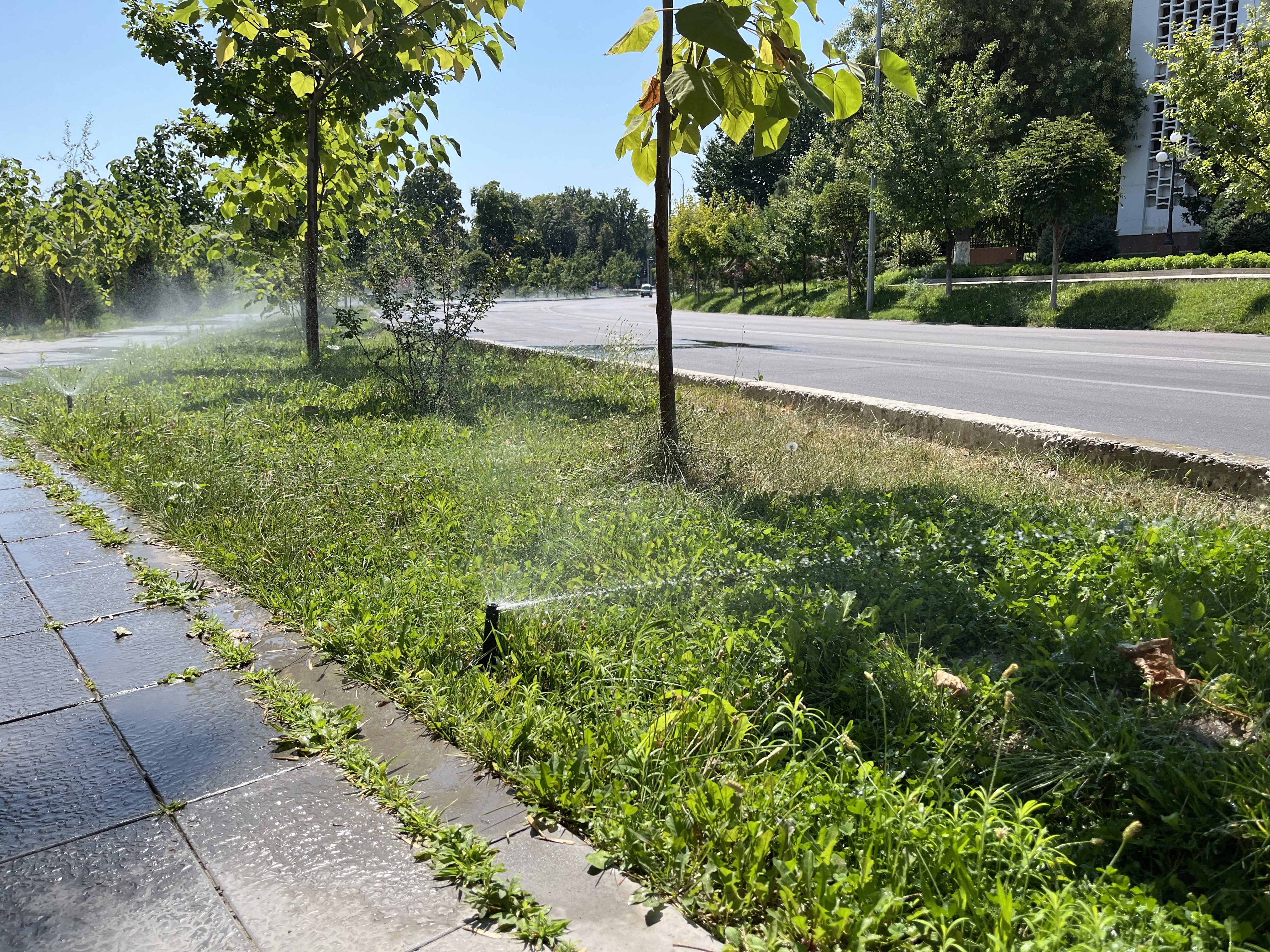
Smart irrigation methods are used to deliver water according to the actual needs of landscaped areas. This approach prevents excessive irrigation and improves the efficiency of water distribution. The university’s conservation process covers five main stages: monitoring, leak detection, water collection, safe storage, and efficient distribution. Together, these stages establish an integrated system that makes campus water management more systematic and environmentally responsible.
Awareness programs are also organized to encourage students, academic staff, employees, and visitors to use water carefully. Through educational materials, environmental campaigns, and practical guidance, members of the university community learn how simple daily actions can contribute to water conservation. By combining reliable infrastructure, digital monitoring, preventive maintenance, smart irrigation, and public participation, the university is creating a more resilient and sustainable campus water-management system.